Time on Your Hands: How to Start Collecting Watches Like a Pro
Why Most People Get Watch Collecting Wrong From the Start

If you're wondering how to start collecting watches, here's the short answer:
- Set a realistic budget before you look at a single watch
- Define your personal style and how you'll actually wear the watch
- Learn the key watch categories (dress, dive, pilot, chronograph)
- Decide between new and pre-owned — pre-owned often offers better value
- Buy from a trusted source with verified provenance
- Start with one versatile piece, then grow slowly and deliberately
That's the foundation. Everything else builds from there.
There's a dangerous moment many enthusiasts describe — you glance at your wrist, then at someone else's watch, and suddenly one just isn't enough. Watch collecting has a way of starting quietly and growing quickly.
But here's the problem: most people dive in before they've done the thinking. Research shows 68% of new collectors bought their first watch based on social media hype and regretted it within 12 months. More than half didn't even check whether the watch would fit their wrist comfortably. The result is a collection built on impulse rather than intention.
The good news is that a little preparation goes a long way. Whether your budget is modest or substantial, collecting watches is genuinely rewarding when you approach it with a clear head and honest expectations.
I'm Brad Purdy, founder of WristWorks and a specialist in the Australian pre-owned watch market, and I've guided buyers at every stage of learning how to start collecting watches — from first-timers picking up their initial piece to seasoned collectors refining a curated selection. In this guide, I'll walk you through exactly what you need to know to build a collection you'll be proud of for years to come.
Practical Steps on How to Start Collecting Watches
Beginning your journey requires more than just browsing online listings. It demands a strategic approach to ensure your hard-earned money is spent on pieces that bring you long-term satisfaction.
Many first-time buyers mistake accumulation for curation. A collection is not merely a pile of watches; it is a carefully chosen reflection of your lifestyle, tastes, and appreciation for design. By taking structured, practical steps, you can navigate the market with confidence, distinguishing between fleeting trends and enduring value.
Defining Your Budget and Style When Learning How to Start Collecting Watches
Before looking at specific brands, you must define your financial boundaries and style preferences. A common recommendation for beginners is the 70% budget allocation strategy. Instead of splitting your initial funds evenly across multiple lower-tier pieces, allocate 70% of your total budget to one high-quality "daily driver" that you will wear almost every day. The remaining 30% can be reserved for a secondary, more casual or dressy option later down the track.
When setting your budget, keep resale value awareness in mind. Only 22% of new collectors actually know their watch's potential resale value at the time of purchase. While you should primarily buy what you love, understanding how different models hold value over time helps prevent costly mistakes.
To avoid the common trap of buying an uncomfortable watch, use a simple wrist size formula to guide your selection. Ideally, the watch case diameter should equal roughly 46% to 48% of your wrist circumference. For example, if you have a 17cm (170mm) wrist, a case diameter between 38mm and 40mm will generally offer the most balanced fit.
Taking the time to understand these proportions ensures your first serious purchase is wearable. For a deeper look at this process, read our guides on Buying First Luxury Watch and How to Choose a Watch.
To build a collection with longevity, many seasoned collectors favour the "one-in, one-out" rule once they reach a certain number of pieces. This disciplined approach forces you to critically evaluate whether a new acquisition is truly superior to what you already own, preventing impulse purchases and keeping your collection highly curated.
Understanding Key Watch Categories and Movements
A well-rounded collection is built on variety. Understanding the main categories and movements allows you to choose pieces that serve different purposes in your daily life.
- Dress Watches: Slim, understated, and elegant. These are designed to slip easily under a shirt cuff and are typically worn on leather straps.
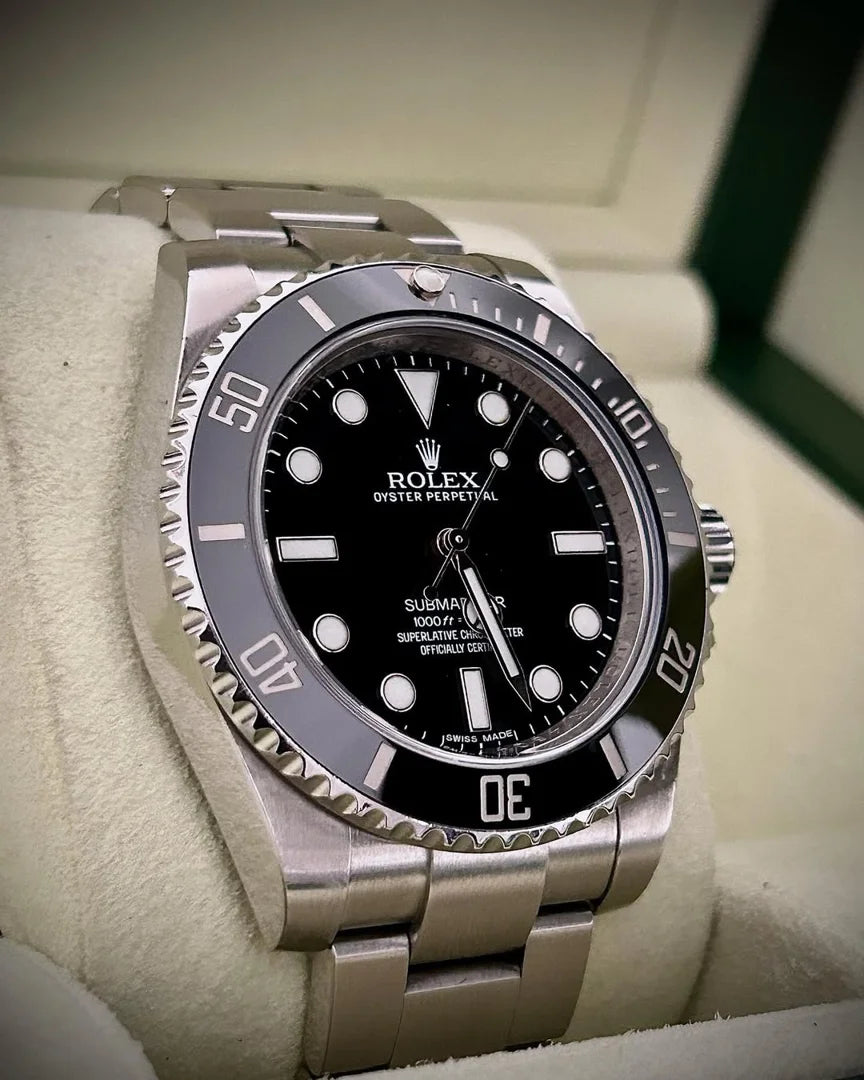
- Dive Watches: Robust, highly legible, and featuring a rotating timing bezel. They offer excellent water resistance and are highly versatile daily wearers.
- Pilot Watches: Characterised by large, high-contrast dials and prominent crowns, designed historically for aviators who needed to read the time at a glance.
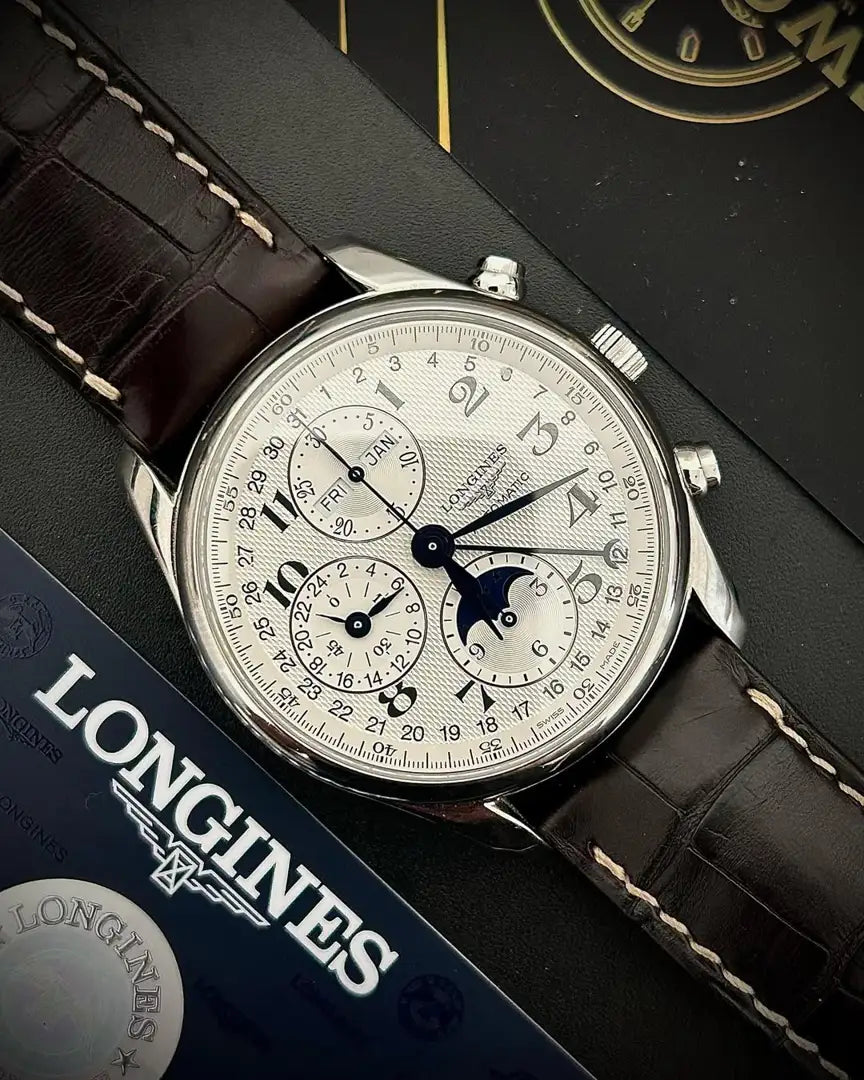
- Chronographs: Watches featuring a built-in stopwatch complication, perfect for those who appreciate mechanical complexity and sporty aesthetics.
Beyond style, you must choose between different movement types. Quartz movements are battery-powered, highly accurate, and require minimal upkeep. Mechanical movements, however, are where traditional craftsmanship lives. These are powered by a coiled mainspring and are split into two categories: manual-winding (which must be wound by hand) and automatic (which wind themselves using the natural motion of your wrist).
To explore these variations further, take a look at our articles on the 5 Types of Watches and From Novice to Watch Nerd: Your Essential Guide to Understanding Timepieces.
New vs. Pre-Owned: Making Smart Decisions on How to Start Collecting Watches
One of the most critical decisions you will make is whether to buy brand-new or pre-owned. A new watch suffers an immediate drop in value the moment you walk out of the store. By contrast, purchasing pre-owned allows you to bypass this initial depreciation curve, often putting higher-tier models within your reach for the same budget.
Additionally, choosing pre-owned is a highly sustainable choice. Buying a vintage or pre-owned watch reduces the carbon footprint by up to 70% compared to new production. It also opens up access to discontinued models that are no longer available in retail boutiques, allowing you to find unique designs that stand out.
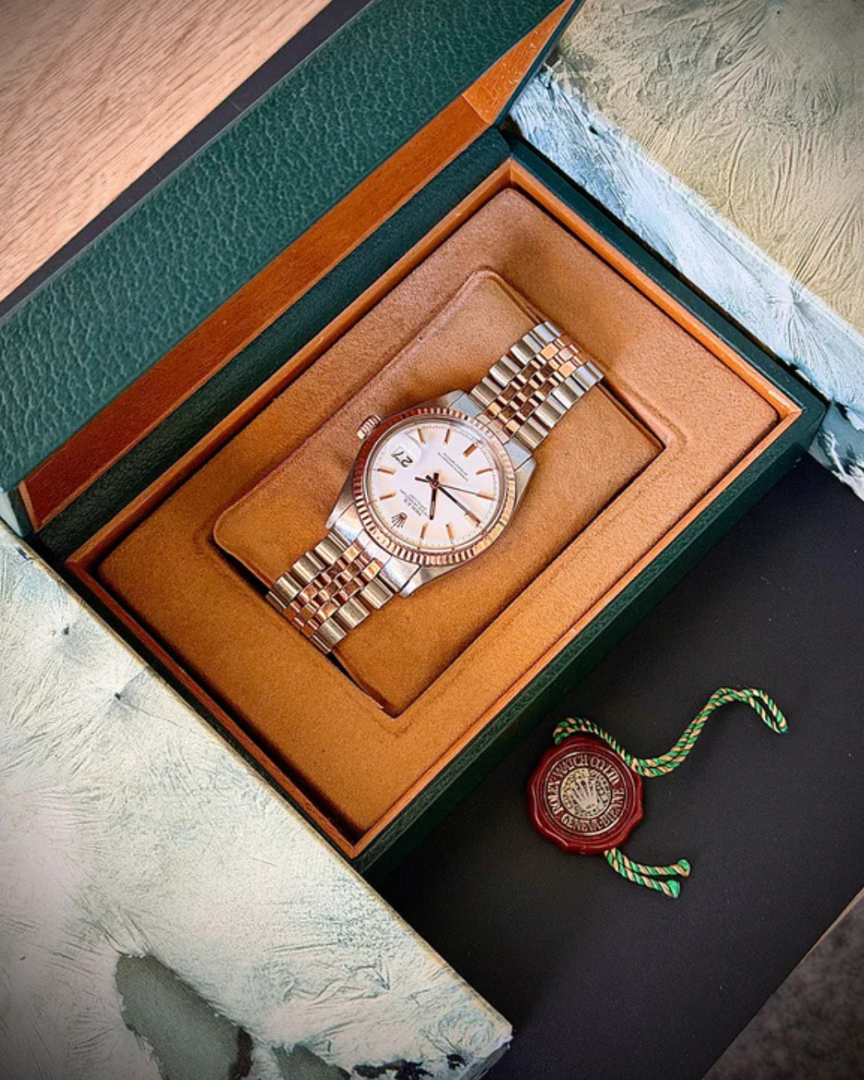
When buying pre-owned, always prioritise listings that include the original box and papers. Having these original documents preserves the history of the watch and can protect its market value by 20% to 40% compared to "naked" watches.
For more advice on navigating these choices, refer to our Watch Buying Guide 2026 and explore the insights in How To Start Your Watch Collection: A Beginner’s Guide To Building The Perfect Collection - Outlook Luxe.
| Buying Option | Pros | Cons |
|---|---|---|
| New | Pristine condition, direct retail experience | Immediate depreciation, limited to current catalog |
| Pre-Owned | Excellent value, access to discontinued models, lower carbon footprint | Requires careful verification of condition and box/papers |
Essential Accessories and Long-Term Maintenance
Owning a watch collection involves caring for your pieces. To keep your watches in top condition, invest in a few basic accessories:
- Storage Box: A dedicated, lined watch box protects your collection from dust, moisture, and accidental scratches.
- Microfiber Cloth: Regularly wiping down your watches removes oils and dirt from daily wear.
- Spring Bar Tool: This simple tool allows you to safely swap straps, instantly changing the personality and versatility of a single watch.
Long-term maintenance must also be factored into your budget. Mechanical watches require periodic servicing by a skilled watchmaker to keep the movement running smoothly. For instance, a typical Rolex service costs approximately $800 every 10 years.
When it comes to aesthetic upkeep, modern watches can be carefully polished to remove surface scuffs. However, polishing should generally be avoided for vintage pieces, as retaining the original case lines and natural wear is highly favoured by collectors and preserves historical value.
Avoiding Common Pitfalls in the Australian Market
Navigating the local market in Western Australia requires a practical approach. When purchasing online, always look for clear, GST-inclusive pricing to avoid unexpected costs at checkout.
Verify the provenance of any watch by checking for complete sets with original packaging and documentation. It is also wise to deal exclusively with established, trusted dealers who hold physical inventory rather than relying on high-risk, peer-to-peer marketplaces where disputes are difficult to resolve. For a secure and straightforward buying experience, consult our guide on how to Find Your Perfect Timepiece: A Complete Guide to Buying Watches Online.
Taking Your First Step with Confidence
Starting a watch collection is a deeply personal journey that should be driven by genuine interest rather than fleeting market hype. By setting a clear budget, understanding movements, and focusing on versatile pre-owned pieces, you can build a collection that stands the test of time and brings daily satisfaction.
When you are ready to buy, sell, or trade, working directly with an established dealer is the most secure and efficient path. At WristWorks, our primary service is the outright purchase and sale of luxury timepieces. We operate a direct-to-dealer model, meaning we own 95% of our inventory outright. This allows us to offer a highly streamlined, transparent transaction with immediate outcomes and free nationwide shipping from our base in Perth. For collectors seeking an alternative route, we also offer a managed consignment service as a secondary option, where we hold and handle the piece securely on your behalf to find the right buyer.
Ready to find your first piece or upgrade your current line-up? Explore Our Curated Collection today.