The Definitive Guide to How to Sell a Vintage Watch
From Heirloom to Sale: What Every Seller Should Know First

If you're researching how to sell a vintage watch, here are the main options available to you:
- Sell directly to a specialist dealer: fastest and most secure, with payment handled upfront
- Consign with a dealer: they hold and sell the watch on your behalf, taking a commission on completion
- List on an online marketplace: wider audience but requires photography, shipping, and scam awareness
- Sell via auction house: suits rare or high-value pieces but involves fees and longer timelines
- Sell privately through forums or community groups: lower fees but higher risk
Over the past 30 years, vintage watches have grown from a niche collector's interest into a global market worth billions. What was once your grandfather's dress watch or a flea market find can now represent serious resale value — if you approach the sale correctly.
The challenge is that vintage watches are not straightforward to sell. Unlike modern watches, tiny details — an unpolished case, an original dial, a complete set of box and papers — can shift the value dramatically. And the channel you choose to sell through matters just as much as the watch itself.
This guide walks you through every stage of the process: identifying what you have, understanding what it's worth, preparing it for sale, and choosing the right path to market.
I'm Brad Purdy, founder of WristWorks, and my background in sales and hands-on experience trading watches across Australia gives me a grounded view of how to sell a vintage watch in a way that's fair, transparent, and stress-free. Let's start with what matters most: knowing exactly what you're selling.
Explore more about how to sell a vintage watch:
How to Sell a Vintage Watch: Choosing the Right Path
When looking at how to sell a vintage watch, the route you choose directly impacts your final return, your personal safety, and how quickly you receive your funds. The watch market generally divides into outright sales, consignment, online marketplaces, and traditional auction houses.
For most sellers, especially those handling a vintage timepiece for the first time, an outright sale to a specialist dealer represents the primary, most secure, and straightforward option. It bypasses the prolonged waiting periods of auctions and the security risks associated with private peer-to-peer transactions. Consignment remains a secondary option, suitable only if you are comfortable waiting for the right collector to emerge.
If you prefer a DIY approach, online marketplaces offer access to a broad pool of global buyers, but they require you to manage the listing, handle enquiries, and navigate shipping logistics yourself. For highly specialised or historic pieces, traditional auction houses can draw competitive bidding, though this route involves substantial seller commissions and can take several months to finalise.
Identifying and Researching Your Vintage Timepiece
Before you can estimate the value of your watch, you must identify its exact model, reference number, and production era.
Unlike modern watches, which usually have digital records, identifying a vintage piece requires looking for physical clues on the watch itself:
- The Reference Number: This is the model number. On vintage Rolex watches, for example, this is typically engraved between the lugs at the 12 o'clock position, requiring the removal of the bracelet. On other brands, it may be engraved on the inside of the case back.
- The Serial Number: This unique identifier helps determine the exact year of production. On vintage pieces, this is often found between the lugs at the 6 o'clock position or engraved on the movement inside.
- The Movement (Calibre): Vintage mechanical watches rely on specific internal movements. Identifying the calibre number engraved on the movement itself is vital for confirming the watch's configuration.
If you have the original box, sales receipts, or service books, these documents will often list these numbers clearly. If you are starting from scratch without paperwork, you can read our guide on How to Sell Your Luxury Watch Without the Guesswork to help streamline your research and understand how specific references behave in the market.
Key Factors That Influence Resale Value
The value of a vintage watch is determined by a combination of rarity, brand prestige, condition, and historical integrity. Collectors favour watches that remain as close to their original factory state as possible.
- Originality of Components: Replaced hands, service dials, or modern replacement crowns significantly reduce a vintage watch's market value. Collectors prefer a faded, aged dial that is period-correct over a pristine, modern replacement dial.
- Case Condition and Bevels: A vintage watch case that has never been polished retains its original sharp edges, chamfers, and brushed finishes. Over-polishing rounds out these edges and thins the lugs, which heavily penalises the value.
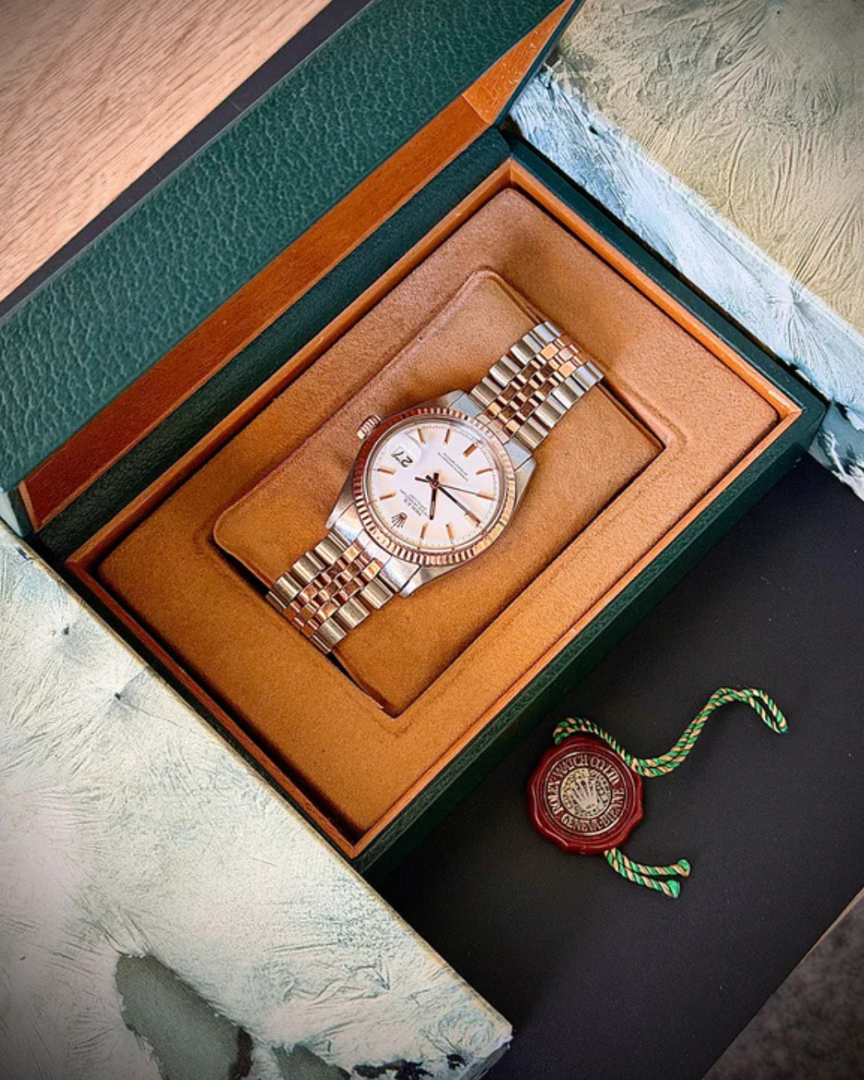
- Provenance and Documentation: A clear history of ownership, original purchase receipts, and period-correct packaging can add a substantial premium to the final price.
To understand how individual pieces hold their value over time, see our article on What Makes a Watch Collection Worth Keeping.
| Value Factor | Impact on Vintage Value | Collector Preference |
|---|---|---|
| Case Polishing | High Negative Impact | Unpolished, sharp edges with natural age-related wear |
| Dial & Hands | Critical | 100% original, matching tritium or radium patina |
| Box & Papers | Moderate to High Positive | Original matching serial documents and period-correct box |
| Movement Parts | High | Period-correct components; no modern service replacements |
Should You Service or Clean Your Watch Before Selling?
A common question when learning how to sell a vintage watch is whether to have the watch serviced or polished before presenting it to buyers.
For modern watches, a light polish and a fresh service can make the piece more attractive. However, for vintage watches, the rules are entirely different. Polishing should be avoided. Traditional collectors actively seek out original scratches and natural patina. A single aggressive polishing session can instantly strip away a significant portion of a vintage watch's market value by altering the original metal shape.
When it comes to mechanical servicing, we generally advise against paying for a full movement overhaul prior to a sale if you plan to sell to a specialist dealer. Professional dealers have access to trusted watchmakers and prefer to handle the service process themselves. Furthermore, vintage watch restoration can be incredibly complex; if an inexperienced watchmaker replaces original internal parts with modern equivalents, they may accidentally devalue your watch.
How to Sell a Vintage Watch Directly to a Specialist Dealer
Selling directly to a specialist watch dealer is the primary, recommended method for those seeking a fast, secure, and transparent transaction.
When you choose an outright sale to a dealer, the process is straightforward: the dealer inspects your watch, offers a firm price based on current market realities, and completes the payment directly. This eliminates the risk of buyer return disputes, fraudulent chargebacks, or waiting months for a private buyer to emerge. Because we position outright sales as our primary service, we ensure this process is as seamless as possible.
For those who wish to explore other avenues, consignment is available as a secondary option. Under a consignment agreement, the dealer holds your watch in their secure inventory, markets it to their specialist network, and handles the transaction directly with the buyer, taking a fixed commission once the sale is complete. This can sometimes yield a slightly higher return, though it requires patience as you wait for the right buyer.
When choosing a partner in Western Australia, it is wise to look for established local options that offer transparent valuations. For those looking for national reach with a transparent, online-first model, you can read our advice on How to Get Top Dollar Watch or directly Submit a Watch Enquiry with us for a straightforward valuation.
How to Sell a Vintage Watch Online via Marketplaces
If you decide to list your vintage watch yourself on public online marketplaces, you must be prepared to manage the entire transaction securely.
To attract serious collectors, your presentation must be flawless. Take high-resolution photographs in natural, indirect light, capturing the dial, the case sides, the case back, and the buckle. Be entirely honest about any scratches, dial blemishes, or mechanical inconsistencies; hiding flaws only leads to post-sale disputes and returns.
The primary risk of peer-to-peer online sales is buyer fraud. When listing high-value vintage items online, you may encounter escrow scams, parcel redirection fraud, or buyers claiming the package arrived empty. Always use highly secure, trackable, and fully insured shipping methods, and ensure you have clear proof of the watch's condition and serial numbers before dispatching it.
To protect yourself throughout this process, review our guide on How to Sell Your Watch Without Getting Scammed. You can also study professional listings on major global platforms to see how they are structured to build trust with potential buyers.
Securing Your Watch's Value
Selling a vintage watch does not have to be a stressful or uncertain process. By taking the time to identify your watch's reference and serial numbers, preserving its original unpolished condition, and carefully selecting your sales channel, you can secure a fair and transparent return on your timepiece.
At WristWorks, we believe in making watch trading simple, secure, and accessible across Australia. Operating from our home base in Perth, Western Australia, we focus on an online-first approach that prioritises clear communication, realistic valuations, and direct-to-dealer transactions. Whether you are looking to sell a single family heirloom or divest a larger collection, we are here to offer a straightforward, professional alternative to the complexities of private marketplaces.
If you are ready to take the next step and find out what your vintage watch is worth in today's market, we invite you to submit a watch enquiry with us today.