What Makes a Watch Collection Worth Keeping
The Journey Of Collecting Watches
Building a watch collection is a rewarding journey that blends personal passion with an appreciation for craftsmanship, history, and artistry. It’s more than an assembly of objects; it's a reflection of your evolving taste and achievements.
Learning how to collect watches is a personal endeavour about finding pieces that resonate with you. At WristWorks, we believe a great collection balances objective value with subjective appeal. To start, you should:
- Educate yourself on brands, models, and their history.
- Set a realistic budget that you're comfortable with.
- Define your focus, whether it's vintage, modern, or a specific style.
- Prioritise quality, originality, and condition above all else.
- Connect with other collectors to share knowledge and passion.
This guide will help you steer these steps and understand the key pillars of a valuable collection: authenticity, condition, rarity, and personal significance.
Core Principles for How to Collect Watches
Defining Your "Why" and Setting a Realistic Budget
Before you start, it helps to understand why you want to collect. Are you drawn to the historical significance of a vintage piece, the intricate craftsmanship of a mechanical movement, or the potential for a watch to be a long-term asset? Your motivation will shape your collection. Perhaps you dream of an Omega Speedmaster with its rich lunar history, or you simply love the feel of a beautifully engineered machine on your wrist. At WristWorks, our mantra is to buy the watch, not the price—focus on what truly speaks to you.
Setting a realistic budget is a key step. This hobby is accessible at any level. For those starting out, brands like Hamilton, Seiko, and Tissot offer excellent mechanical watches. As your budget grows, you might look at an iconic piece from Tudor or Omega. With a larger budget, rare vintage finds and elite brands like Patek Philippe open up. The goal is always to prioritise quality over quantity, ensuring each piece holds value, both to the market and to you.
The Essential First Steps for How to Collect Watches
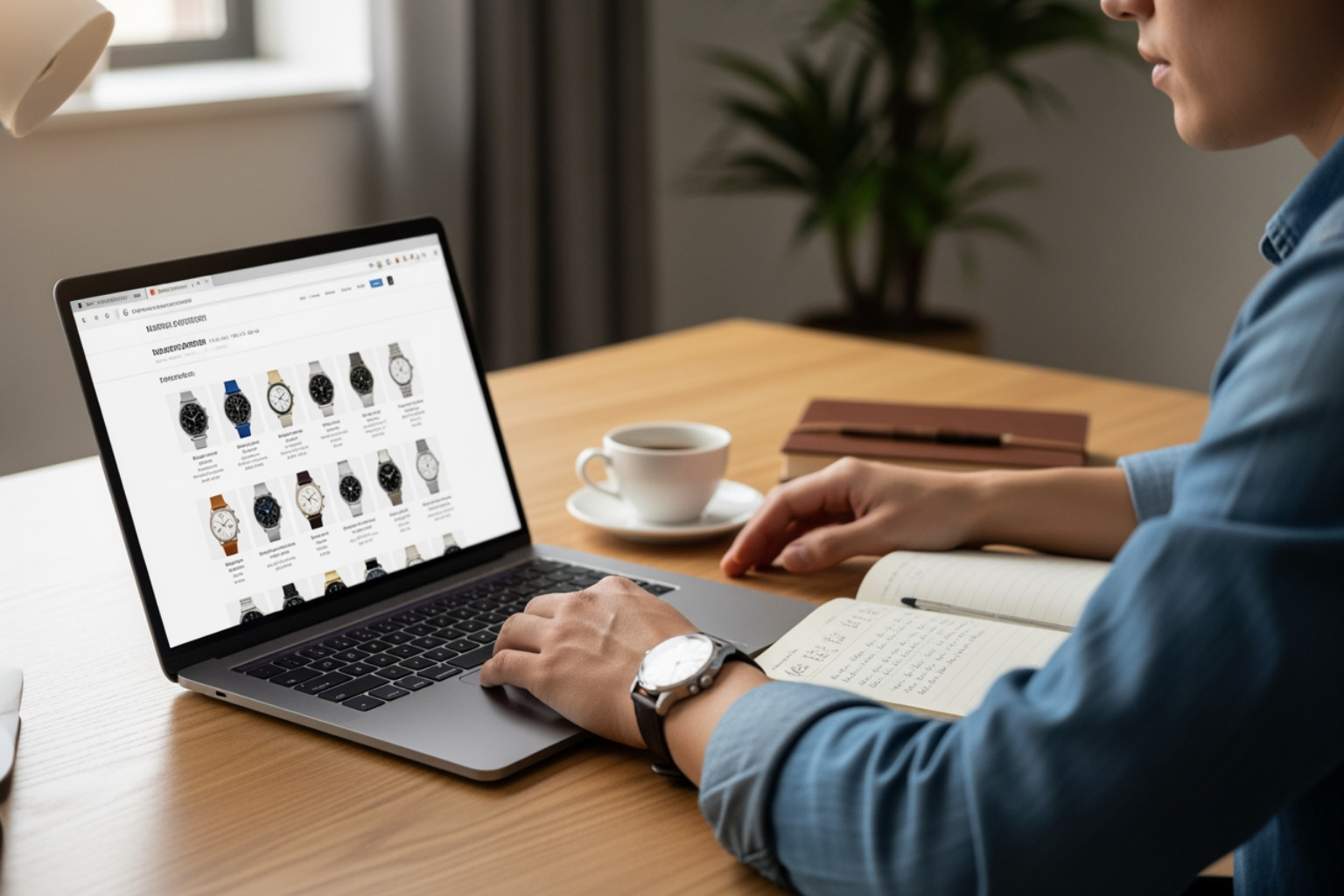
The most important first step is to educate yourself. Learn about different brands, movements, and styles. While the internet is a vast resource, be cautious with information and seek advice from experienced collectors. Engaging with watch communities—online forums, social media groups, or local events—is a great way to learn from shared experiences and build friendships.
If you are buying online, favour trusted dealers with a clear authentication process and transparent descriptions. Review detailed photos, check serial and reference numbers against reliable sources, and ask about service history. Verify the seller’s business details and online presence for added peace of mind. For more detailed advice on the Australian luxury watch market, read our guide: More info about buying luxury watches in Australia.
Common pitfalls for beginners include rushing into purchases or chasing market trends instead of personal taste. Building a collection is a marathon, not a sprint. Take your time, enjoy the hunt, and let your collection grow thoughtfully, one piece at a time.
Focusing on Quality
When learning how to collect watches, quality and originality are paramount. A watch in its original, untouched state is often more prized than one that has been heavily restored.
When inspecting a watch, check the case for its original factory finish and crisp edges. While polishing is acceptable for many modern watches, it is generally avoided for vintage pieces as it can soften the lines and remove precious metal. The dial is also crucial; an original dial, even with signs of age (patina), is usually more desirable than a repainted one. The movement should be in good working order and correct for the model.
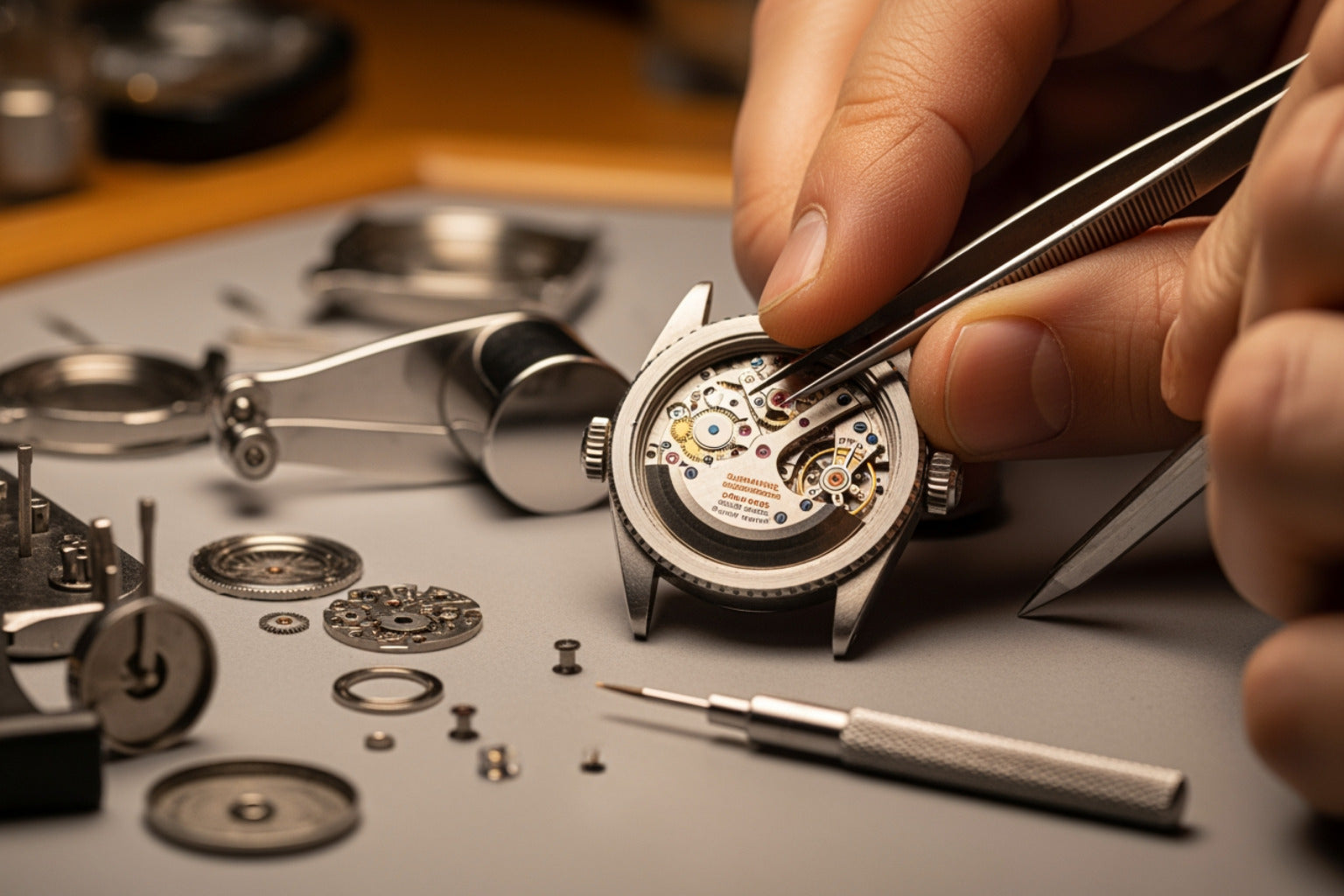
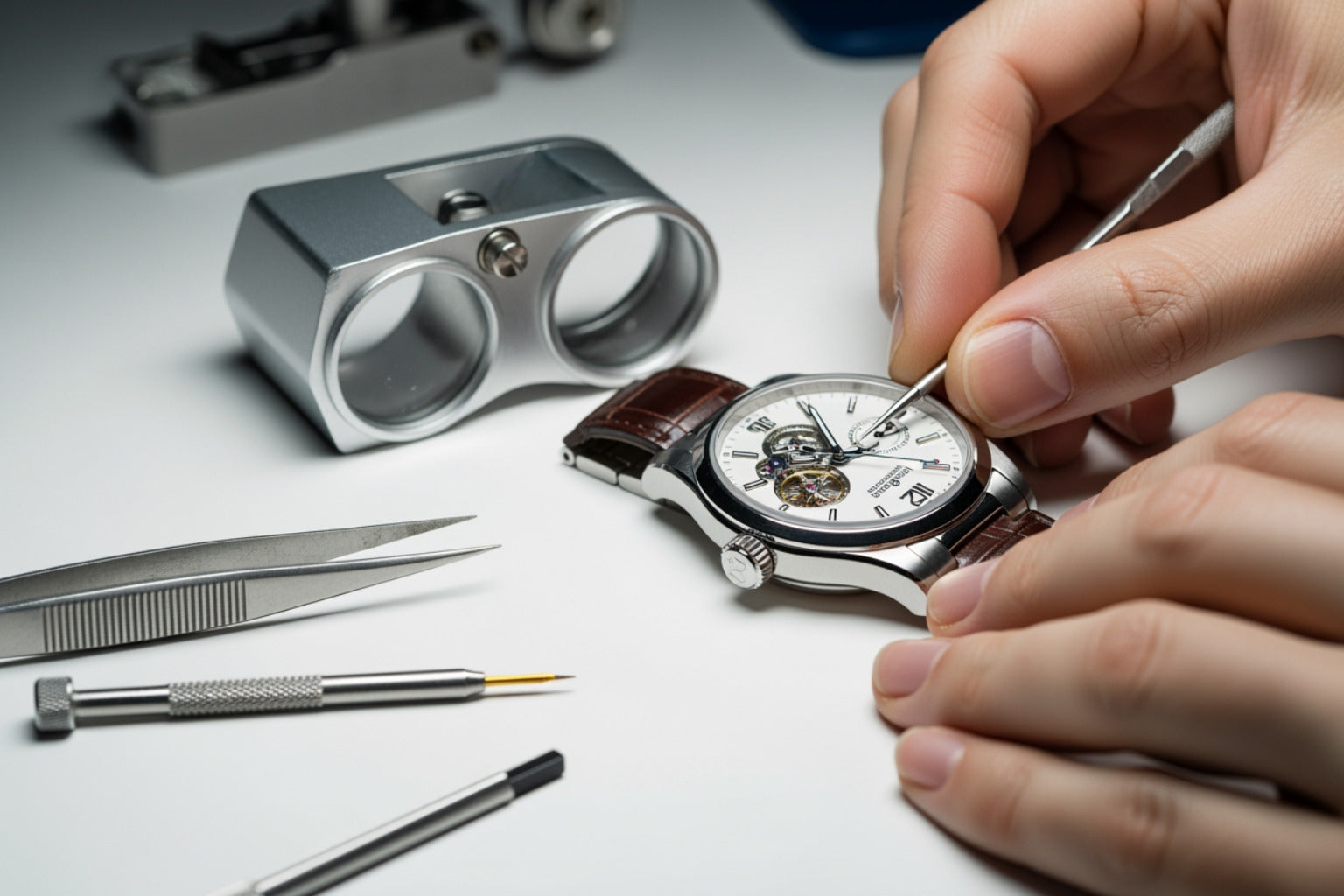
At WristWorks, authenticity is our foundation. Every watch we own and sell undergoes a rigorous in-house authentication process, and we guarantee the authenticity of every timepiece we sell. We do not issue physical certificates for these checks, and we only authenticate watches that we own or sell. Approximately 95% of our inventory is owned outright by WristWorks; consignment is available as an optional service when it suits the seller. When appropriate, we can recommend trusted third-party authentication or servicing options.
Building a Diverse and Well-Rounded Collection
A diverse collection is often the most rewarding. Consider including a few key archetypes:
- The Chronograph: A versatile classic, like the Omega Speedmaster.
- The Dress Watch: A neat timepiece for formal occasions, exemplified by brands like Vacheron Constantin.
- The Dive Watch: A tough, sporty, and popular choice for daily wear, most iconic examples include the Rolex Submariner or its more affordable counterpart the Tudor Black Bay.
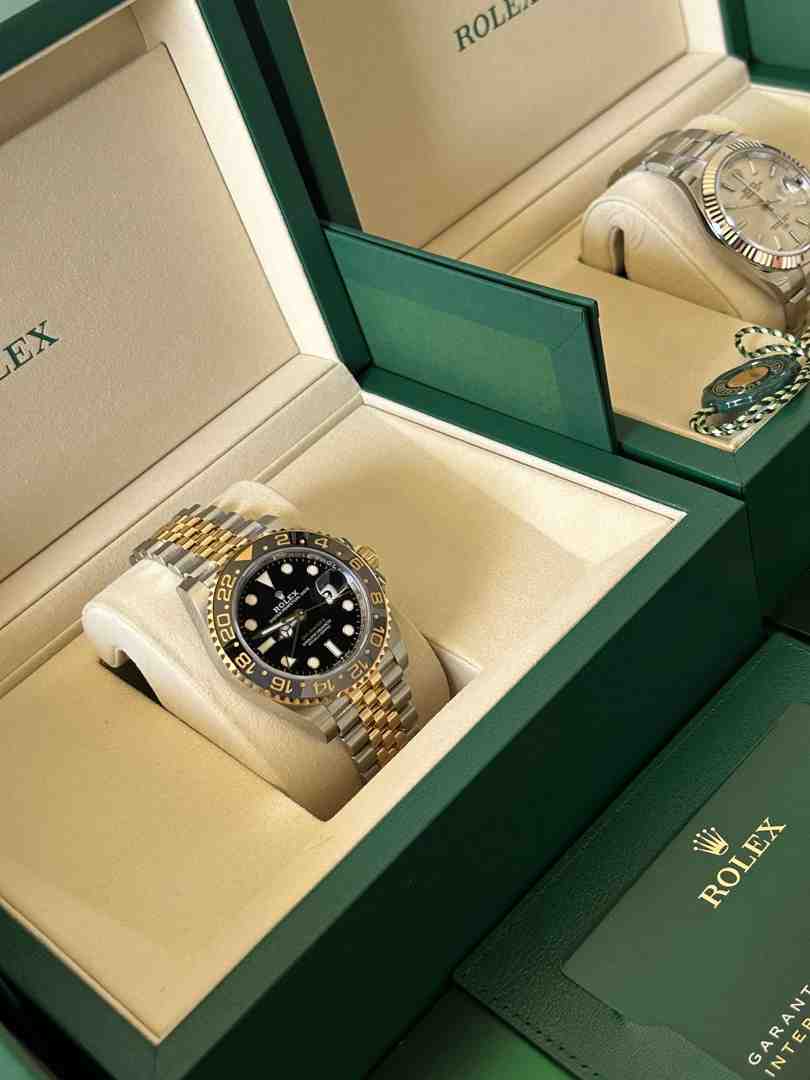
- The Icon: A famous model from a significant brand, like a Rolex GMT-Master II, which often holds its value well.
Don’t limit yourself to Swiss watches. Exploring non-Swiss options like Grand Seiko from Japan or unique pieces from microbrands can add depth and character to your collection. While birth-year watches are a fun theme, always prioritise the watch’s originality and condition over matching a specific year.
Curating and Maintaining Your Collection for the Future
Navigating Market Trends and Evolving Your Tastes
The watch market is always changing. A model that is readily available today could become a hyped-up status symbol tomorrow. It’s easy to get caught up in trends, but the most satisfying collections are built with intention. Ask yourself: Do I genuinely love this watch, or am I just following the hype?
Your tastes will also evolve. A bold sports watch you love today might make way for an appreciation of understated dress watches later. This is a natural part of collecting. Selling or trading pieces that no longer resonate with you is a smart way to refine your collection.
Selling Your Watch: Private Listing vs Direct-to-Dealer vs Consignment
When you decide to sell, choosing the right route is crucial. Here’s a practical comparison to help you decide:
Private online listing: You may achieve a higher price, but it can be time-consuming and risky. Expect to handle inquiries, negotiation, fraud checks, shipping risks, and post-sale disputes yourself. To understand the risks of online marketplace scams, see Australia’s official guidance at Scamwatch.
Direct-to-dealer sale (our primary recommendation): This offers an instant quote, secure inspection, guaranteed authentication, and prompt payment. You skip the uncertainty of online marketplaces and the admin that comes with private sales. While the price paid can be lower than a successful private sale, many sellers prefer the certainty, speed, and security this path provides.
Consignment (a useful secondary option): Potentially higher return than an outright sale, as the final buyer pays market value. It typically takes longer and depends on market conditions, but you benefit from professional photography, marketing, and buyer screening. With WristWorks, there are no limitations with consignment—all pieces are held and authenticated by us, and payments are made directly to our business upon sale. It’s a hands-off process for you, with transparent reporting.
At WristWorks, we prioritise direct-to-dealer sales for simplicity and certainty. As a secondary option, we offer consignment with clear communication on timelines and pricing. Learn why choosing the right buyer matters when selling, or get a valuation for your watch with no pressure.
The Art of Curation: Storing and Enjoying Your Timepieces
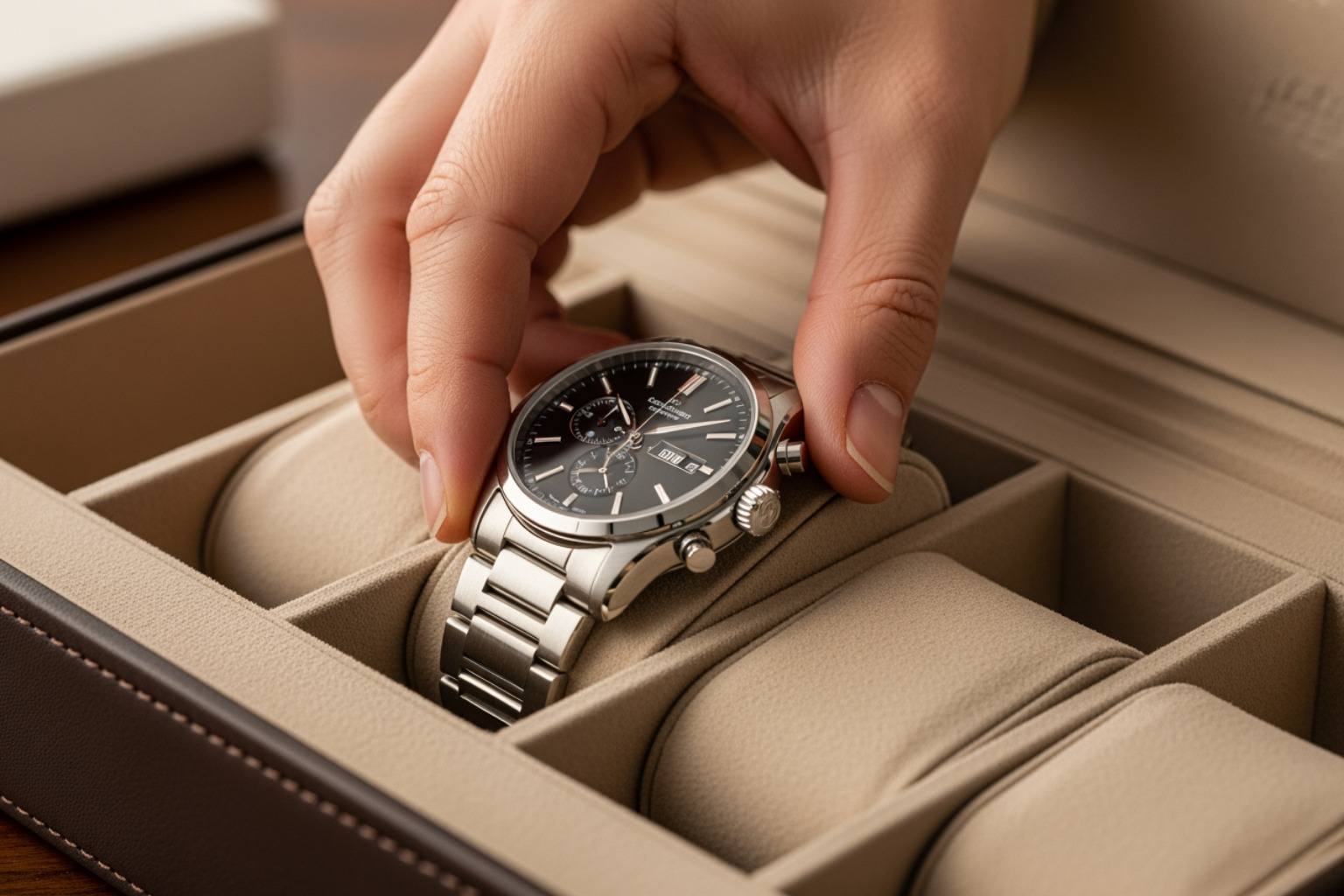
Proper care ensures your watches are always ready to be worn and enjoyed. Here are some essential tips for storage and maintenance:
- Avoid moisture: Store watches in a dry place. Water and humidity can cause corrosion.
- Prevent scratches: Keep watches in individual soft pouches or a watch box with cushioned compartments. Never let them touch each other or other jewellery.
- Clean regularly: After wearing, wipe your watch with a soft, lint-free cloth to remove oils and sweat.
Staying connected with the watch community remains valuable for sharing your passion and learning maintenance tips. At WristWorks, we support collectors in Perth and across Australia at every stage with honest, expert advice—so you can buy, sell, and maintain with confidence.
Conclusion & Call to Action
The journey of how to collect watches is one of learning, passion, and practical decision-making. A collection you’ll cherish is built on understanding your taste, setting a realistic budget, and always prioritising quality and authenticity.
At WristWorks, we make watch collecting transparent and trustworthy. We authenticate every watch we own and sell in-house and guarantee authenticity—no physical certificates are issued for these checks. Approximately 95% of our inventory is owned outright by us; consignment is available as an optional service when it suits the seller.
Ready to take the next step? We encourage you to explore our curated collection of timepieces. If you’re looking to sell or upgrade, our direct-to-dealer sales offer an instant quote, guaranteed authentication, and a secure, convenient process that skips the uncertainty of online marketplaces. You can easily get a valuation for your watch through our platform. For any questions or expert advice, please contact us. Experience the WristWorks difference today.