The Case for Investing in Pre-Owned Watches
Why Savvy Collectors Are Turning to Authentic 2nd Hand Watches
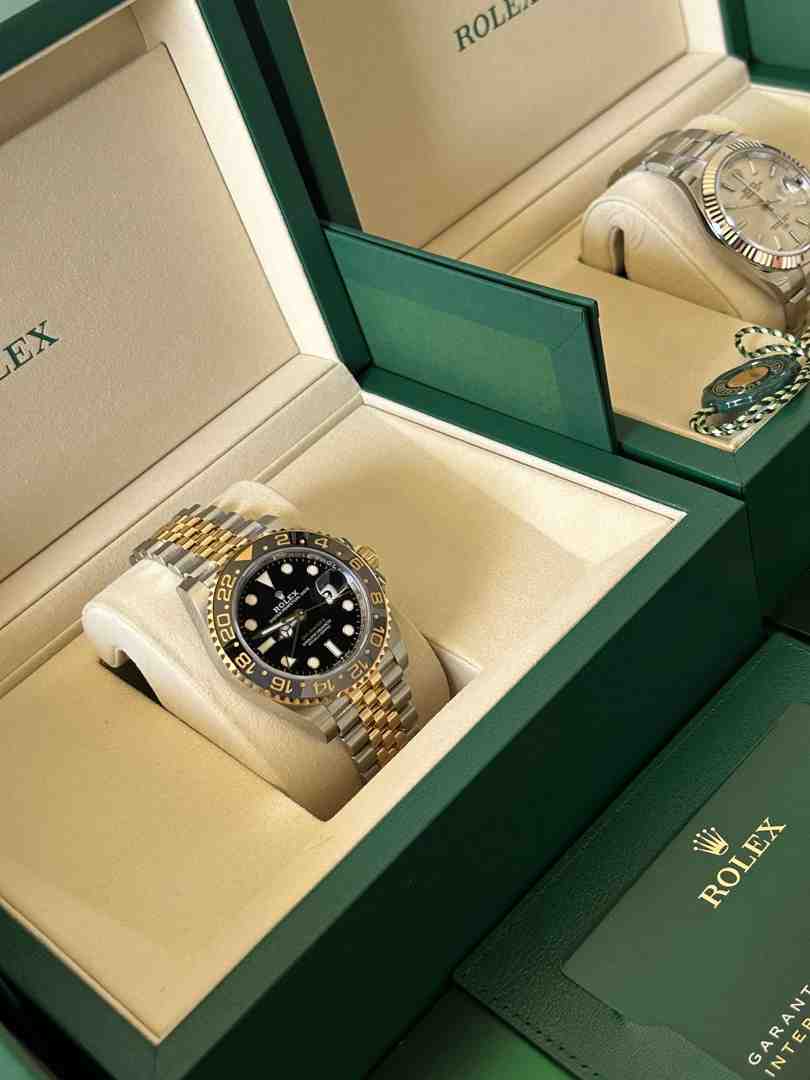
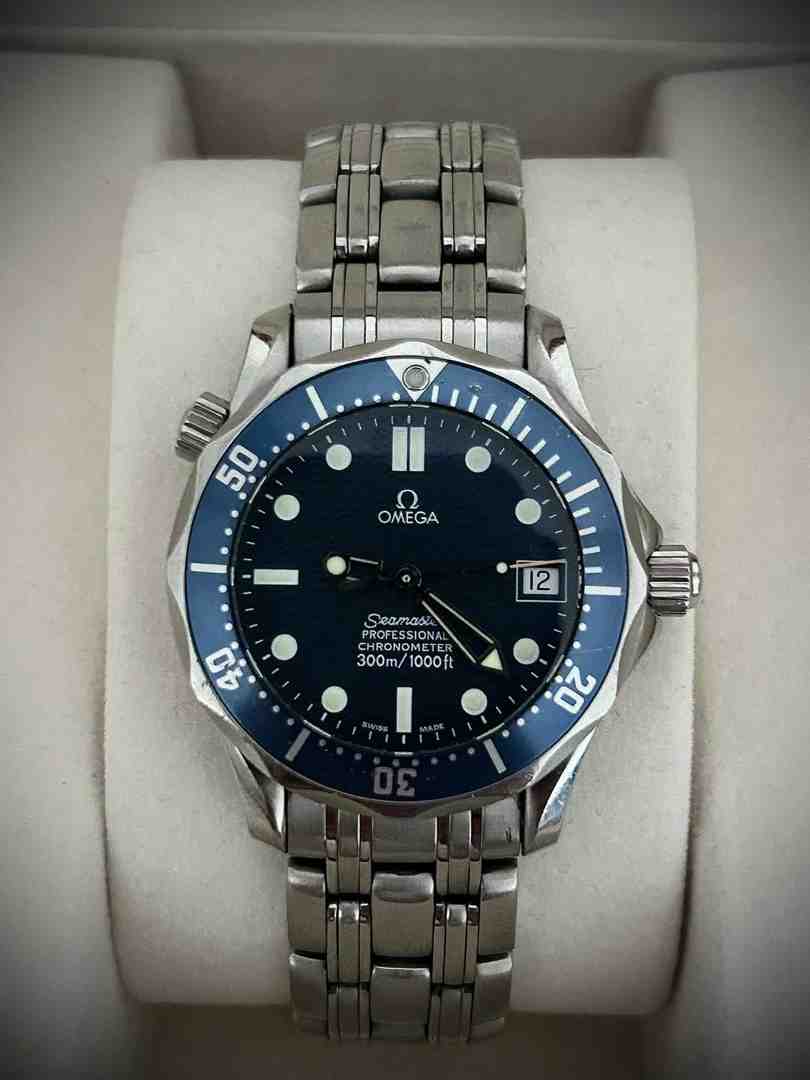
More collectors now recognise that a gently worn Rolex or Omega isn't a compromise: it's a smarter way to buy. Authentic 2nd hand watches can deliver better value than new, along with access to models you simply can't walk into a boutique and buy.
Key reasons to consider authentic pre-owned:
- Better value: Pre-owned luxury watches often avoid the steepest part of early depreciation, making your money go further.
- Wider selection: Find discontinued and hard-to-source references that rarely appear new at retail.
- Value retention: Well-chosen models from brands like Rolex and Patek Philippe have a strong record of holding value over time, though appreciation is never guaranteed.
- Sustainable choice: Extends the life of finely made products and reduces the environmental impact of new manufacturing.
Separating the genuine from the risky in a crowded market is the real challenge. That’s why who you buy from matters as much as what you buy. In this practical guide, we show how to verify authenticity, what drives price, and when a DIY private purchase makes sense versus buying through a trusted dealer like WristWorks.
Your Guide to Buying Authentic 2nd Hand Watches
Independent studies show strong growth in the pre-owned luxury watch market, driven by demand for value, choice, and sustainability. Forecasts differ on the exact size and pace of expansion, but most agree the sector will keep growing over the coming years. For a balanced overview, see Deloitte's Swiss Watch Industry Study. The takeaway is clear: pre-owned is now an established, global part of watch collecting.
With growth comes more choice – and more risk. Building confidence is essential, because a counterfeit or poorly described watch can set you back financially and undermine your collection. Below, we outline how to approach the market safely and sensibly.
Pre-Owned vs New vs Vintage: Where Value Lives
- New watches: Unworn and bought from an authorised retailer. You're paying full retail and taking the immediate depreciation that follows.
- Pre-owned watches: Typically the best balance of quality and price. You can avoid the steepest early depreciation and access recent and discontinued references that are no longer available new.
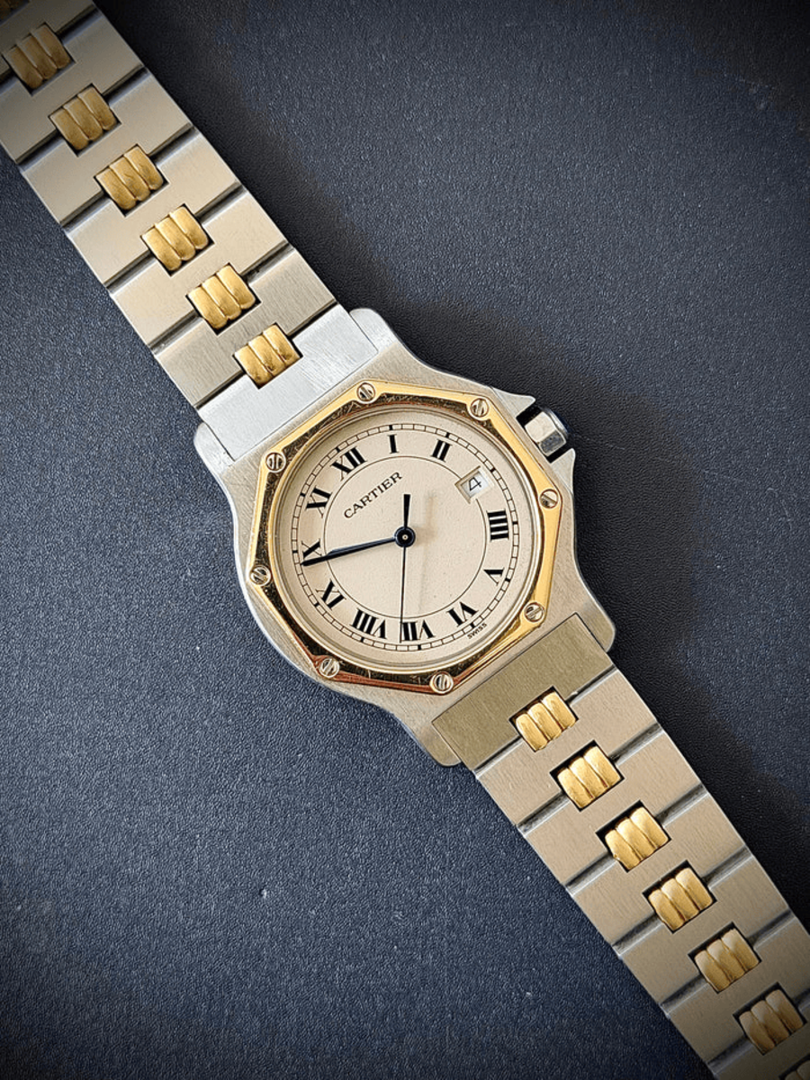
- Vintage watches: Around 20– 30+ years old. They offer history and character, but require more expertise to assess originality, condition and servicing needs. Polishing is acceptable for modern watches but generally avoided on vintage pieces because it can remove original lines and reduce value.
DIY Private Purchase vs Buying from WristWorks
There's no single "best" path. Your choice depends on your risk tolerance, time, and experience.
Buying privately (DIY):
- Pros: Potentially sharper prices; occasional "quiet" finds; direct negotiation.
- Risks to manage: Counterfeits and parts watches; limited proof of provenance; unclear servicing history; lack of recourse if issues arise; shipping and insurance arranged by you.
Buying from WristWorks:
- Pros: Every watch is held and authenticated in-house by our expert team before listing, and authenticity is guaranteed. Clear descriptions, detailed photos, and transparent pricing. Secure, streamlined process and local support in Australia.
- Considerations: Dealer pricing reflects professional authentication, handling, and after-sale support processes. For many buyers, the reduction in risk and saved time more than offsets the margin.
If you're confident inspecting watches, researching reference numbers, and verifying sellers, a private deal can work. If you prefer expertise, security, and convenience, a trusted dealer like WristWorks is the safer path.
How to Ensure You're Buying an Authentic Watch
Verification is the single most important part of a pre-owned purchase.
- Start with dealer reputation: Look for consistent reviews and references. A reputable dealer operates transparently, has a physical presence or long-standing online history, and stands behind their watches. Pay attention to comments regarding condition accuracy and customer service.
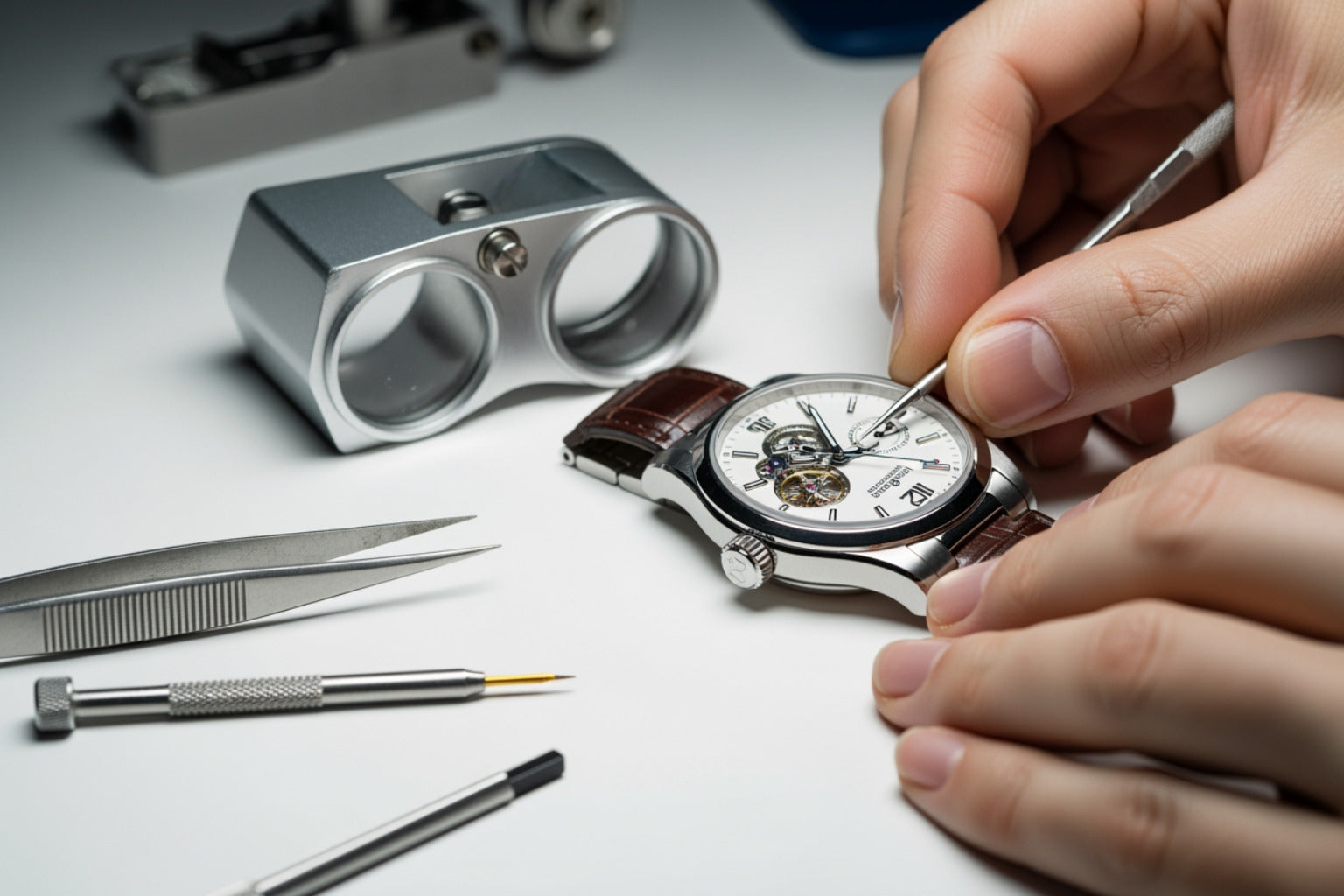
- Confirm the authentication process: Ask how the watch was inspected. At WristWorks, every timepiece is authenticated in-house by our experts. This includes opening the caseback to check the movement calibre, finishing, and serial numbers against brand records. We also examine the case, dial, and bracelet for authenticity and originality. We guarantee authenticity on every watch we sell.
- Check provenance: A "full set" (original box and papers) adds confidence and value, but its absence doesn't automatically mean a watch is wrong – especially for older pieces where paperwork was often discarded. Verify any service documentation and serial number history where possible. A dealer's guarantee of authenticity is ultimately more critical than the original sales receipt from decades ago.
- Examine the fine details: An authentic luxury watch is a product of precision engineering, and fakes rarely replicate this perfectly. Look for crisp, flawless printing on the dial with no smudging or unevenness. Fonts should be consistent and match the brand's known typography for that era. Check the hands for correct shape, length, and finish. The application of luminous material (lume) should be neat and uniform. On modern Rolex models, for example, the engraved "rehaut" ring inside the bezel should be sharp and perfectly aligned. If you're evaluating specific models (for example, a Rolex Submariner 14060 vs 114060), reference-accurate components and period-correct details are critical.
- Cross-check against stolen registers: For private purchases, this is a crucial step. Reputable dealers perform these checks as standard practice. Using a service like The Watch Register can help ensure the watch has a clean history.
For model-specific authentication tips, see our guide on spotting a fake Audemars Piguet.
Key Factors That Influence a Pre-Owned Watch's Price
- Brand and model: Blue-chip names like Rolex, Patek Philippe, and Audemars Piguet command strong demand. Within brands, certain references (e.g., Submariner and Daytona) are more "liquid," meaning they are easier to buy and sell due to high, consistent demand.
- Rarity: This can mean a genuinely low production number, a discontinued reference, or a historically significant model. Be aware of the difference between true rarity and hype-driven scarcity, which can be more volatile.
- Condition: This is arguably the most critical factor. Case lines should be sharp, and lugs should be thick and even. A watch that has been over-polished will lose its original shape, significantly reducing its value. "Sympathetic polishing" means a light touch-up that cleans the watch without altering its core geometry. The dial's condition is paramount; original dials without damage, fading, or refinishing are most desirable. The health of the movement also drives value, as a full service can be a considerable expense.
- Provenance: A "full set" including the original box, warranty card/papers, and booklets supports value and future resale, especially for modern references. However, the absence of papers on an older watch is common and not necessarily a red flag. In these cases, the watch's intrinsic quality and the dealer's guarantee become even more important. Service papers from the manufacturer or a highly regarded watchmaker can also add significant confidence and value, as they provide a partial history of the watch's care.
- Market demand: Prices can move with collector interest, macro trends, and brand activity. Social media and online forums can amplify trends, causing rapid price shifts for certain models. Over short periods, prices can be volatile; over longer periods, quality and desirability tend to prevail.
At WristWorks, we assess these factors to price fairly and transparently, reflecting true market conditions rather than hype.

Popular Brands for Authentic 2nd Hand Watches and Why They Hold Value
- Rolex: Robust construction and timeless design have made Rolex the benchmark for value retention. Submariner and Daytona models are widely collected and understood.
- Patek Philippe: Exceptional finishing and limited supply underpin long-term desirability. Models such as the Nautilus and Aquanaut are especially sought-after.
- Audemars Piguet: The Royal Oak pioneered modern luxury sports watches and remains a cornerstone for collectors.
- Omega: A favourite for value, history, and reliability. The Speedmaster "Moonwatch" and Seamaster lines are proven all-rounders.
Buying Online: A Practical Checklist
- Verify the seller: Check ABN details for Australian businesses, SHD licence Number, established trading history, and independent customer reviews.
- Validate authenticity steps: Confirm in-house authentication for dealer purchases, or arrange an independent check for private deals.
- Inspect the listing: Look for high-resolution photos (case, dial, movement if applicable, lugs, and bracelet clasp). Ask for additional photos or a video if needed.
- Confirm reference and configuration: Ensure the dial, bezel, hands, and bracelet are correct for the reference and production period.
- Ask for condition and timing data: Recent service history, timekeeping performance, and water-resistance testing (if relevant) help you judge future costs.
- Check provenance: Request box, papers, service receipts, and any prior sales invoices where available. Lack of papers can be fine for older watches if the watch itself checks out.
- Consider your long-term plan: If you might sell later, favour popular references in clean, original condition. Full sets help future resale but are not the sole marker of quality.
When in doubt, slow down, compare multiple examples, and speak with an expert. Buying the right watch once is better than chasing a bargain twice.
Making a Confident Investment in Your Next Timepiece
Choosing an authentic 2nd hand watch is smart when you prioritise security, quality, and value. Those benefits depend on one thing: dealing with the right people.
At WristWorks, we own about 95% of our inventory. Every watch we sell — whether owned outright or on consignment — is held and authenticated in-house by our expert team before it is listed. Authenticity is guaranteed.
For sellers, our direct-to-dealer approach is the recommended path: instant quotes and guaranteed authentication, without the uncertainty of anonymous marketplaces. Consignment is available as a useful secondary option when it better suits your goals; there are no limitations on how we handle consignment pieces - all items are held and authenticated in-house, and payments are made directly to WristWorks.
If you're preparing to sell, read our guide on why choosing the right buyer matters.
Ready to take the next step? Explore our collection of authenticated pre-owned watches, request a valuation, or contact WristWorks for clear, expert advice. Whether you're buying your first piece or refining a collection, we're here to help you move forward with confidence.