Article: Luxury Watches in Australia: A Modern Guide to Buying, Owning, and Selling
Luxury Watches in Australia: A Modern Guide to Buying, Owning, and Selling
Understanding the True Value of Your Timepiece
A guide to buying watches traditionally focuses on acquiring a luxury timepiece. But what happens when you're ready to sell? The mathematics of watch ownership has changed. Depreciation, market volatility, and the rise of pre-owned specialists have rewritten the rules for how Australians buy, hold, and sell their watches.
Here’s what you need to know about selling a luxury watch in today's market:
- Most New watches depreciate instantly—often 20-30% the moment you leave the boutique.
- Pre-owned watches hold value better, as the steepest depreciation has already occurred.
- Box and papers matter, but authenticity and condition are paramount.
- Brand reputation affects resale, with brands like Rolex, Patek Philippe, and Omega retaining value best.
- Market timing influences returns, as prices fluctuate with demand.
- Where you sell matters, as trusted dealers offer security that private sales lack.
The pre-owned luxury watch market is projected to reach $20 billion by 2025. This shift means buying a watch is no longer just about personal enjoyment; it's about balancing emotional satisfaction with financial pragmatism.
This guide will walk you through the complete equation, helping you make decisions that protect both your passion and your wallet.
The Buyer's Equation: A Modern Guide to Buying Watches
When considering a luxury watch, every decision affects its long-term value. This guide to buying watches breaks down the three elements that determine a watch's worth: its movement, its case and materials, and its provenance.
Part 1: The 'Engine' – Movement and Complications
The heart of a watch is its movement. Mechanical movements, powered by a wound spring, represent centuries of craftsmanship and are favoured by collectors. They come in manual-winding (requiring daily winding) and automatic-winding (powered by your wrist's motion) variants. They require servicing every five to seven years but typically hold higher resale value. If precision matters, look for COSC chronometer certification on applicable models—an independent standard of tested accuracy.
Quartz movements are battery-powered, exceptionally accurate, and lower maintenance. While some enthusiasts find them less engaging, high-end quartz from brands like Grand Seiko or Breitling can hold their value well.
Complications are functions beyond timekeeping, like a chronograph (stopwatch) or GMT (second time zone). They can add appeal and value, but also increase service costs. Choose complications that suit your lifestyle, not just for resale potential.
Part 2: The 'Chassis' – Case, Size, and Straps
A watch's exterior influences its durability, comfort, and market appeal.
- Case Materials: Stainless steel is the versatile workhorse, holding value well. Gold signals luxury but is softer and requires more care. Titanium is light, strong, and hypoallergenic, ideal for sport watches. Ceramic is highly scratch-resistant but can shatter under extreme impact.
- Finding the Right Size: Comfort and proportion are key. For most men, a case diameter between 38mm and 42mm is a safe bet. However, the lug-to-lug measurement is just as important, as it determines how the watch sits across your wrist. Always try a watch on if possible.
- Straps and Bracelets: A matching metal bracelet is the most versatile and popular option for resale. Leather straps offer a classic look, while rubber and NATO straps provide casual, durable alternatives. Original hardware always adds to a watch's value.
Explore our current collection to see a variety of case materials, sizes, and strap options.
Part 3: The 'Provenance' – Where and How to Buy
Where you buy your watch matters as much as what you buy.
- Authorised Dealers: You get a new watch with a manufacturer's warranty but will pay full retail and face immediate depreciation of 20-30% on most models.
- Private Sellers: Prices can be attractive, but the risks are high. You are vulnerable to counterfeits, undisclosed damage, and misrepresentation. Box and papers can be faked, so they are not a guarantee.
- Pre-owned Specialists: A trusted dealer like WristWorks offers the best of both worlds. The steepest depreciation has already occurred, meaning you're buying closer to the true market value. You also gain access to discontinued and vintage models.
The critical factor is trust. We authenticate every watch in-house and stand behind our guarantee. We believe in radical transparency, with clear listings and GST-inclusive pricing. Buying from WristWorks means buying with security and peace of mind. If you're considering selling, get a valuation on your current watch to understand its market position.
Calculating Your Return: Care, Research, and Making an Informed Decision
Protecting your investment starts the moment you shop. Thoughtful research, honest self-reflection, and proper care will determine your satisfaction and the return you get when it's time to sell.
Avoiding Buyer's Remorse: A Practical Guide to Buying Watches
The luxury watch market runs on emotion, but hype can override common sense. To make a smart purchase, you need to separate fleeting trends from lasting value.
- Look Beyond the Hype: The watches that hold value best often have strong brand heritage and timeless designs. Don't buy based on what's trending this month.
- Understand Market Fluctuations: Watch prices move based on supply, demand, and economic trends. Researching the market can help you time your purchase and avoid overpaying. Independent studies like the Deloitte Swiss Watch Industry Study provide useful context.
- Prioritise Personal Fit: A watch that looks great in photos might feel awkward on your wrist. Know your wrist size and pay attention to case diameter and lug-to-lug measurements. A watch that fits you well is one you'll enjoy wearing.
The best guide to buying watches encourages you to ask: Will I still love this in five years? Does it fit my lifestyle? Answering these questions honestly protects you from regret and leads to better value retention.
Protecting Your Asset: Best Practices for Watch Care
Once you've bought a watch, proper care is essential to protect its value and longevity.
- Service Regularly: Mechanical watches need professional servicing every 3-5 years to keep them running accurately. Quartz watches require less maintenance, but still benefit from servicing every 10-12 years.
- Know Your Water Resistance: An ATM rating indicates pressure resistance, not depth. 3 ATM handles splashes, 5 ATM is fine for showering, and 10 ATM is suitable for swimming. Always ensure the crown is screwed down before water exposure. For true dive specifications, see the ISO 6425 diver's watch standard.
- Avoid Magnetic Fields: Strong magnets in speakers or laptops can affect a mechanical watch's accuracy. A watchmaker can easily demagnetise it, but prevention is better.
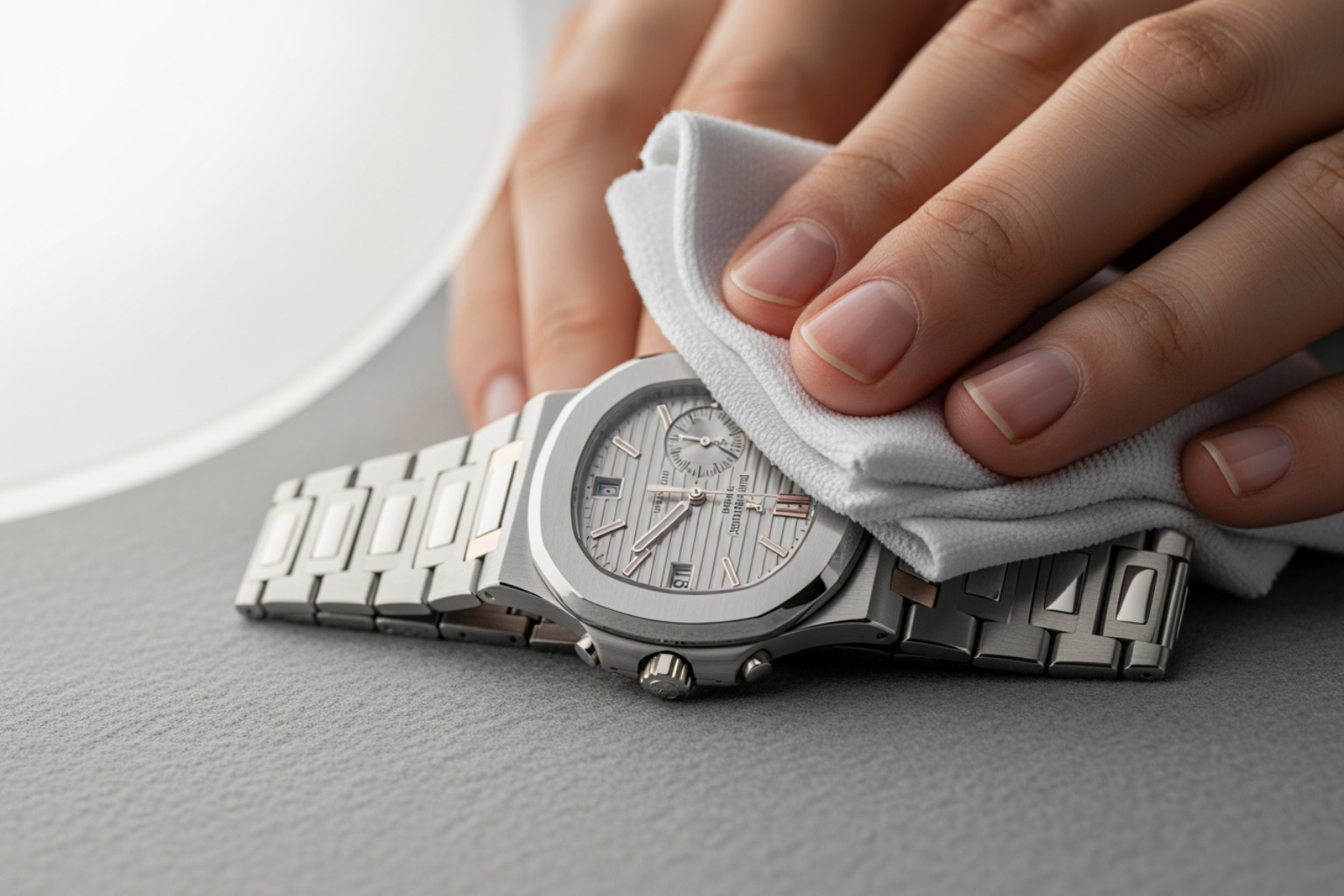
- Clean Gently: Use a soft microfibre cloth to remove fingerprints. For bracelets, a soft toothbrush with mild soap and water works well. Keep harsh chemicals away from your watch.
- Be Cautious with Polishing: Light polishing can refresh a modern watch, but it's generally avoided for vintage pieces, as it removes material and can diminish collector value.
Consistent care preserves your watch's condition, which directly impacts its resale value.
FAQs
Here are answers to some common questions about buying and selling luxury watches with WristWorks.
What payment options are available? We offer secure payment methods. For outright sales, same-day payment is available, making it our clients' preferred option. Please note, we no longer accept credit card payments.
How does consignment work at WristWorks? While 95% of our inventory is owned outright, we offer consignment as a secondary option. Your watch is held securely, authenticated in-house, and we manage the entire sales process. This is a useful alternative, though most clients prefer the speed and simplicity of an outright sale.
How do you guarantee authenticity? Every watch is authenticated in-house by our experts, and we guarantee its authenticity—it's non-negotiable. While we don't issue physical certificates, our reputation is built on this promise. We can recommend trusted third-party authenticators if you require additional verification.
What You Can Do Next
You now understand the new maths of luxury watches. You know what to look for, what questions to ask, and how to protect your investment. The next step is to take action.
This guide to buying watches was designed to give you the confidence to make informed decisions that balance passion with pragmatism. At WristWorks, we've built our business on making those decisions easier. Every watch in our collection is authenticated by our experts and backed by our guarantee.
If you're considering selling a watch, understanding its true market value is the first step. Get a valuation from us for an honest assessment based on current market conditions. We offer same-day payment for outright purchases and are happy to answer any questions you have.
If you simply want to talk through your options, contact our team directly. We're watch enthusiasts who believe every transaction should be built on trust and transparency.
Ready to make your next move? We're here to help.