The Hidden Costs of Vintage Watch Restoration
Why Vintage Rolex Restoration Demands More Than Money
Vintage Rolex restoration is about more than paying a bill and waiting for a result. You're balancing history, sentiment, functionality and future value. Get it wrong and you can erase the very details that make a watch special; get it right and you'll preserve a story for the next generation.
This practical guide explains the decisions involved, what you can safely do yourself, when to use a specialist, and how to decide if restoration is the right path at all—or whether selling or consigning with a trusted dealer is the smarter move.
A quick framework before you start:
- Assess current condition: Is it running? Keeping time? Any moisture damage? Any parts known to be replaced?
- Set your goal: Preserve originality and patina, or prioritise daily reliability and appearance?
- Understand costs and risks: Vintage parts and skills are scarce, timelines can be long, and choices affect value.
- Choose your path: DIY basics, independent specialist, authorised service centre, or sell direct to a dealer if restoration isn't practical.
Throughout, we use plain English and Australian spelling, and we'll keep the focus on authenticity, quality and customer satisfaction. If you decide restoration is not for you, selling directly to a dealer like WristWorks offers instant quotes and guaranteed in-house authentication for watches we own or sell, helping you avoid the uncertainty of online marketplaces.
For those considering the broader implications of vintage watch ownership and restoration, Business Insider's coverage of Rolex's service policies provides useful context on why some vintage pieces face service challenges at official centres.
The Complex World of Vintage Rolex Restoration
Owning a vintage Rolex means looking after a piece of history. Restoring that history is not straightforward. Brand policies, parts availability and the markets preference for originality all play a role in the outcome.
Why a brand service centre may say no
Authorised service centres aim to return every watch to current performance standards using factory parts. That works well for modern references. With older pieces, original components may be discontinued, or the watch may have period-correct wear or past repairs that dont align with current specifications. In those cases, a brand service centre may decline the job or propose replacing major components that would change the watchs character.
This gap is where experienced independent specialists matter. They can conserve original parts wherever possible and, when necessary, source period-correct components from the secondary market.
The true cost: parts, labour and time
Vintage restoration can be expensive and slow for reasons that are easy to overlook:
- Specialist labour: Working on older movements requires experience and careful hand skills. That expertise is scarce.
- Parts scarcity: Discontinued components may need to be sourced from donors or fabricated. Both add cost and time.
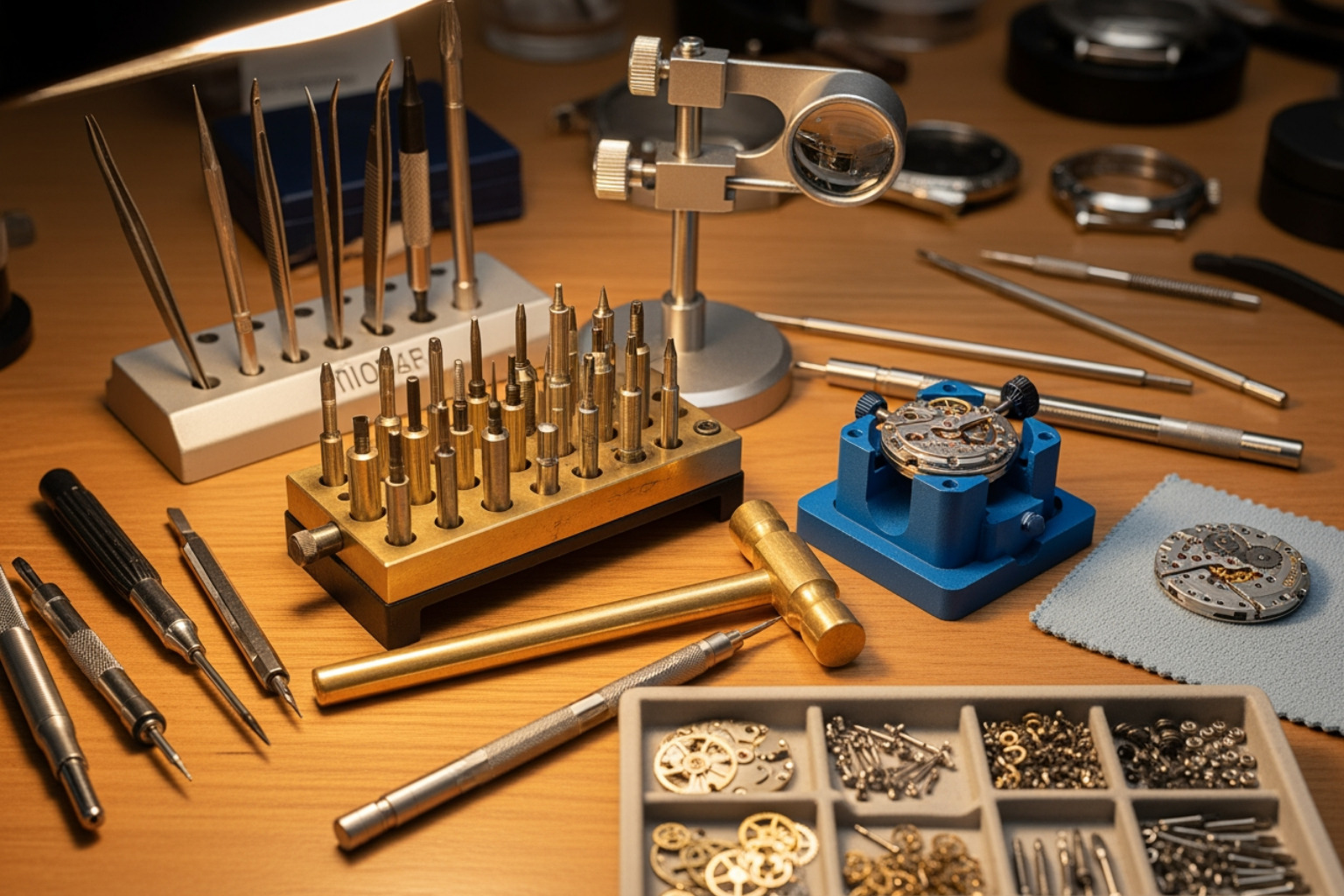
- Tooling and testing: Many tools for vintage work are no longer made. Proper timing, water-resistance and pressure testing are essential and take time.
For heirlooms, the sentimental value can outweigh the financials. For others, the numbers may point to a different decision, such as a careful service only, or selling the watch instead of fully restoring it.
Originality, patina and value
Collectors prize originality. Period-correct dials, hands and bezelseven with age spots, lume fade and bezel wearare part of the watchs identity. Replacing those elements can improve appearance but often reduces collector appeal.
One point deserves special mention: polishing. Light polishing is acceptable for modern watches when done professionally, but it is generally avoided on vintage pieces because metal removal rounds edges and softens factory lines, which can significantly affect value. If you do request cosmetic work, ask for a sympathetic refinish focused on cleaning, not re-shaping.
What a proper restoration involves
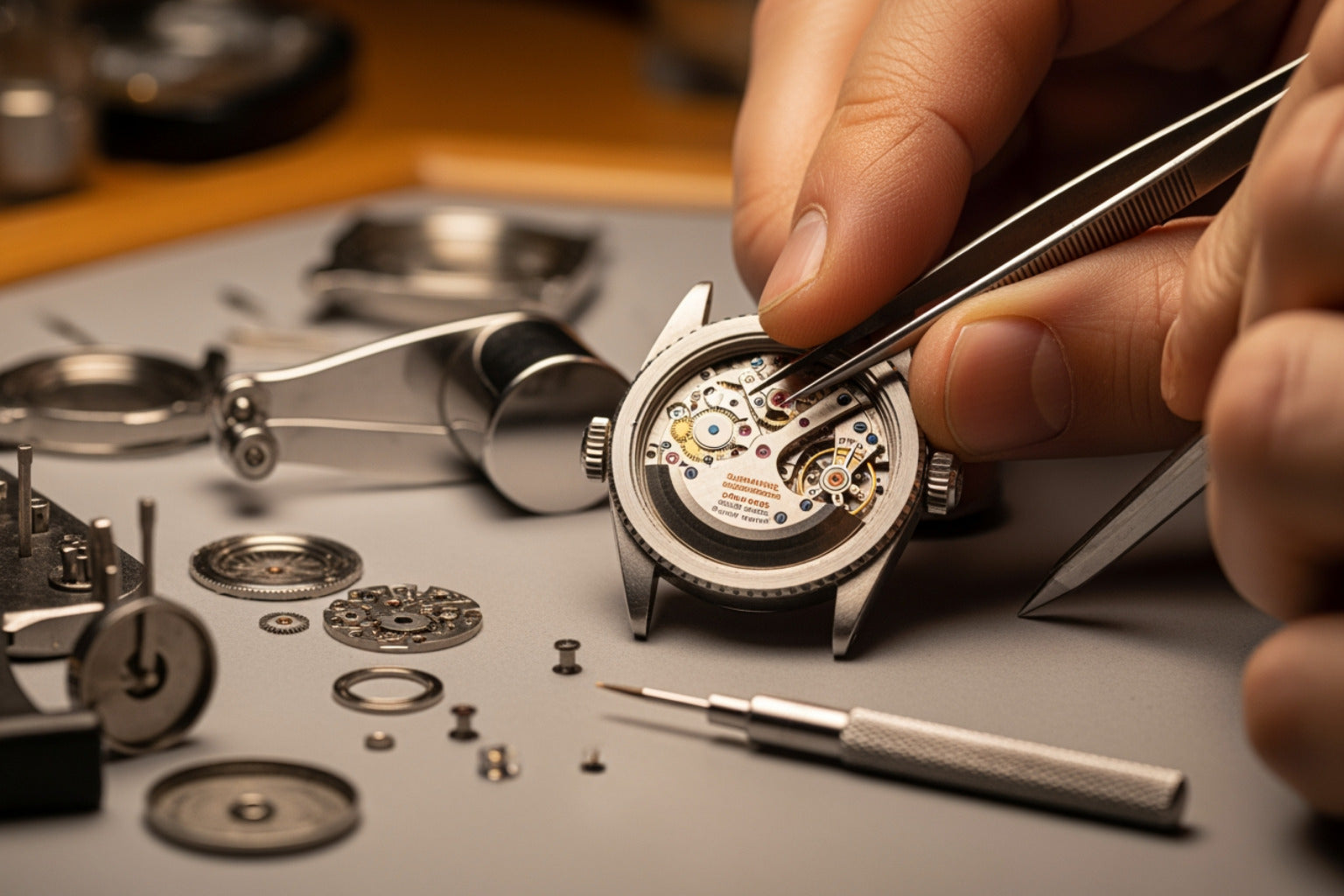
A thorough restoration normally includes:
- Full assessment and documentation of the watch as it arrives
- Complete disassembly of the movement
- Cleaning, inspection and replacement or repair of worn parts
- Correct lubrication and careful reassembly
- Regulation on a timing machine and testing in multiple positions
- Case and bracelet cleaning, fresh gaskets and water-resistance checks where appropriate
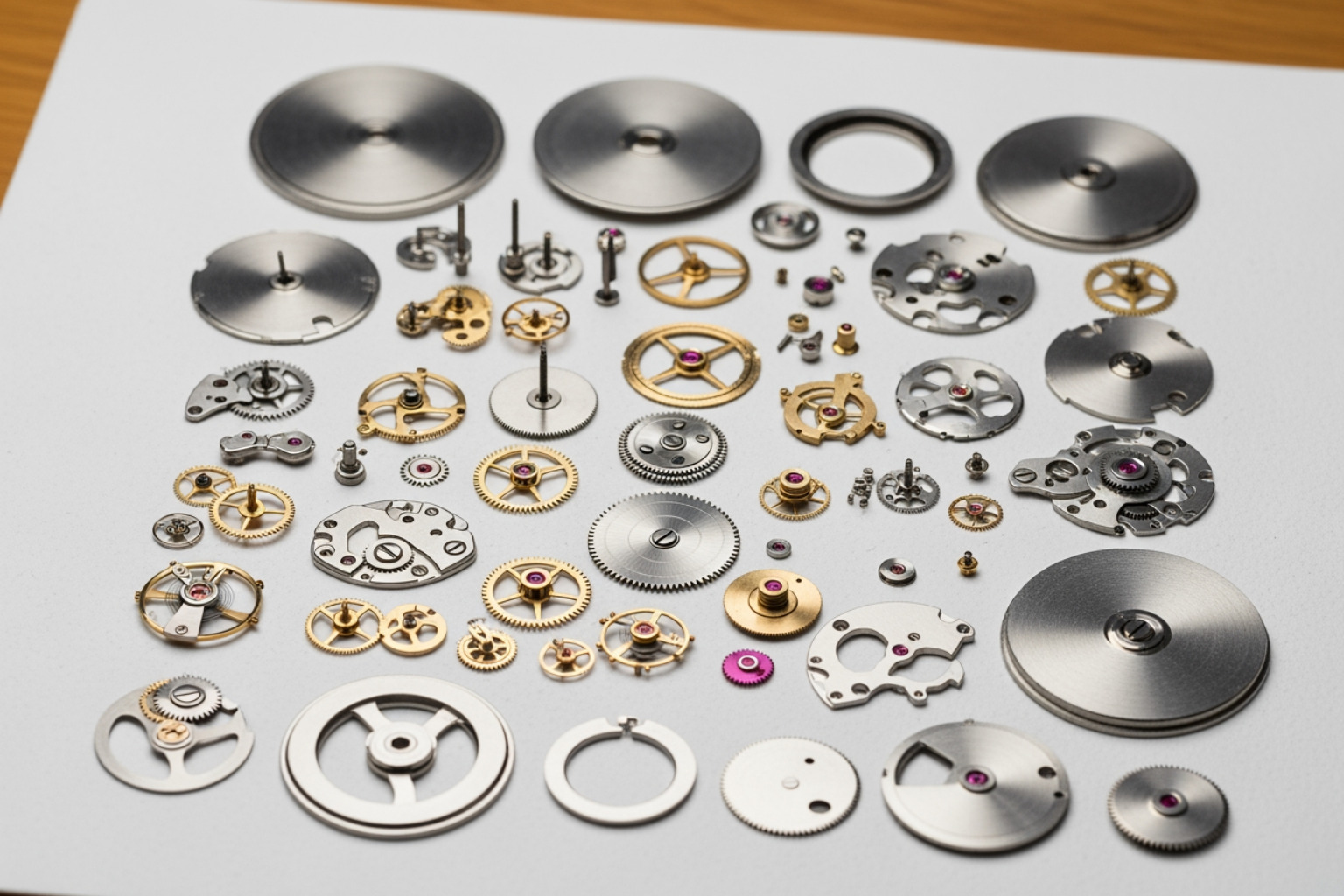
Turnaround can extend well beyond 10 days due to parts sourcing and testing. Be wary of shortcuts that skip regulation or pressure testing; both are essential for function and longevity.
DIY versus specialist: what you can safely do yourself
Some owner actions help without risking damage:
- Keep the watch away from moisture and extreme temperature changes if water-resistance is unknown.
- Avoid strong magnets and store the watch crown-up if its running fast or slow while you await service.
- Swap straps yourself, but use proper tools and protect the lugs with tape.
- Do not open the case, attempt to clean the dial, or oil the movement.
Everything beyond basic care belongs with a professional. If you arent sure whether to restore, conserve, or sell, a reputable dealer can help you weigh the options objectively.
Making the Right Choice: Finding a Specialist and Understanding the Outcome
The decision you make now will shape your watch’s look, performance and market appeal for years. Here’s a clear, practical way to proceed.
Choosing your service path
- Independent specialist: Best for sympathetic conservation, parts sourcing and respecting patina. Look for transparency on what stays original, what may be replaced and why.
- Authorised service centre: Best for modern references and users who want current brand standards and official parts. On older pieces, you may be asked to replace patinated components or the job may be declined if parts are unavailable.
- DIY basics only: Storage, strap changes and safe handling. No movement work.
A good specialist will provide a written plan, share timing results and explain any replacements before proceeding. Red flags include automatic dial swaps, unexplained case refinishing, and vague estimates. Remember the polishing rule of thumb: acceptable for modern watches when light and professional; generally avoided for vintage.
Restore, conserve or sell?
Not every vintage watch needs full restoration. If you’re unsure whether the time, cost and risk align with your goals, consider your alternatives:
- Conserve: Service the movement, retain original dial, hands and bezel, and keep the case unpolished.
- Restore: Aim for reliable use, replacing worn parts with period-correct components where possible.
- Sell direct to a dealer: If the watch won’t fit your lifestyle or the numbers don’t stack up, selling outright can be the simplest, most secure path.
At WristWorks, outright purchase is our primary service. Direct-to-dealer sales provide instant quotes and guaranteed in-house authentication for watches we own or sell, helping you avoid the uncertainty and delays of online marketplaces.
How WristWorks fits in
- We do not service watches, and we don’t provide authentication as a public service. We only authenticate watches that we own or sell, and we guarantee their authenticity. We do not issue physical certificates.
- Approximately 95% of our inventory is owned by WristWorks. Consignment is available as a secondary, optional service for suitable pieces. Consigned watches are held and authenticated by us, and payments are made directly to WristWorks.
- If restoration or third-party authentication is appropriate, we can recommend trusted external specialists.
While servicing policies vary by brand and model, well-preserved, original vintage Rolex watches have historically shown resilient demand. That doesn’t mean every example will appreciate; condition, originality, provenance and reference all matter.
Independent Specialist vs Authorised Service Centre
For many vintage owners, an independent specialist offers the flexibility and conservation mindset the watch deserves. Authorised centres deliver consistency and brand standards that are ideal for modern pieces. The right choice depends on your goals:
- If you want to preserve patina and period-correct charm, favour an independent who documents everything and seeks parts sympathetic to the watch’s age.
- If you want modern performance with factory parts and your reference is still within current parts availability, an authorised service can be appropriate.
While WristWorks does not service watches, we know the landscape well and can recommend reliable third-party options if you decide to proceed with restoration.
What good vintage restoration looks like
- Movement: Clean, correctly lubricated, and regulated with timing results shared openly.
- Case and bracelet: Cleaned, gaskets replaced; no aggressive metal removal on vintage cases.
- Parts: Original where safe and functional; period-correct if replacements are needed. No hidden aftermarket swaps.
- Documentation: Before-and-after images, list of replaced parts and post-service performance data.
If you decide to sell
Selling your watch directly to a dealer keeps the process simple and secure. With WristWorks:
- You receive instant quotes.
- Watches we own or sell are authenticated in-house by our experts, and authenticity is guaranteed.
- You skip the uncertainty of online marketplaces and private listings.
Consignment remains a useful secondary option for the right piece. We hold and authenticate all consignment watches, and payment is made directly to WristWorks. This approach maintains control, transparency and safety throughout.
At WristWorks, we prioritise transparency and trust in Australia’s luxury watch market. We guarantee the authenticity of every watch we own or sell through in-house assessment by our specialists, and we can recommend third-party restoration experts when needed.
You can also browse our curated Rolex selection here.
The bottom line: vintage Rolex restoration demands more than money. Take a measured approach, preserve originality wherever possible, and choose partners who value authenticity and customer satisfaction as much as you do.