The 5 Best Types of Watches for Beginners
Why Knowing the 5 Types of Watches Makes All the Difference

The 5 types of watches every beginner should know are:
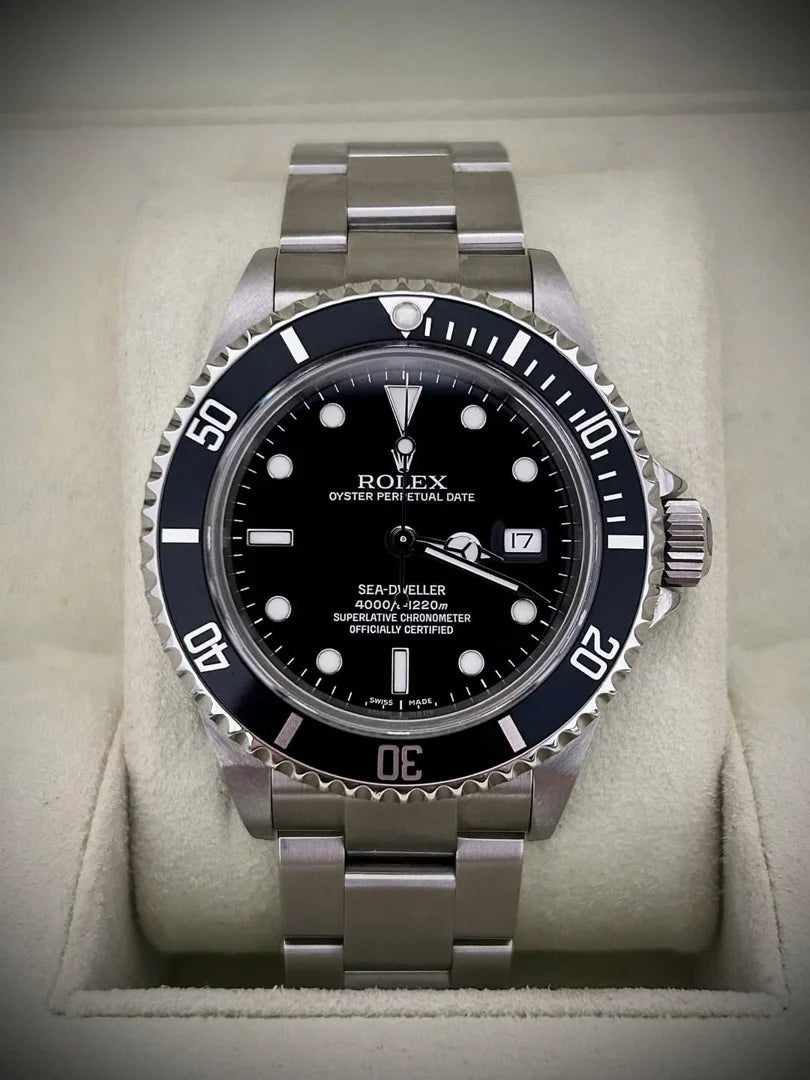
- Dive watch - water-resistant, rotating bezel, built for underwater use
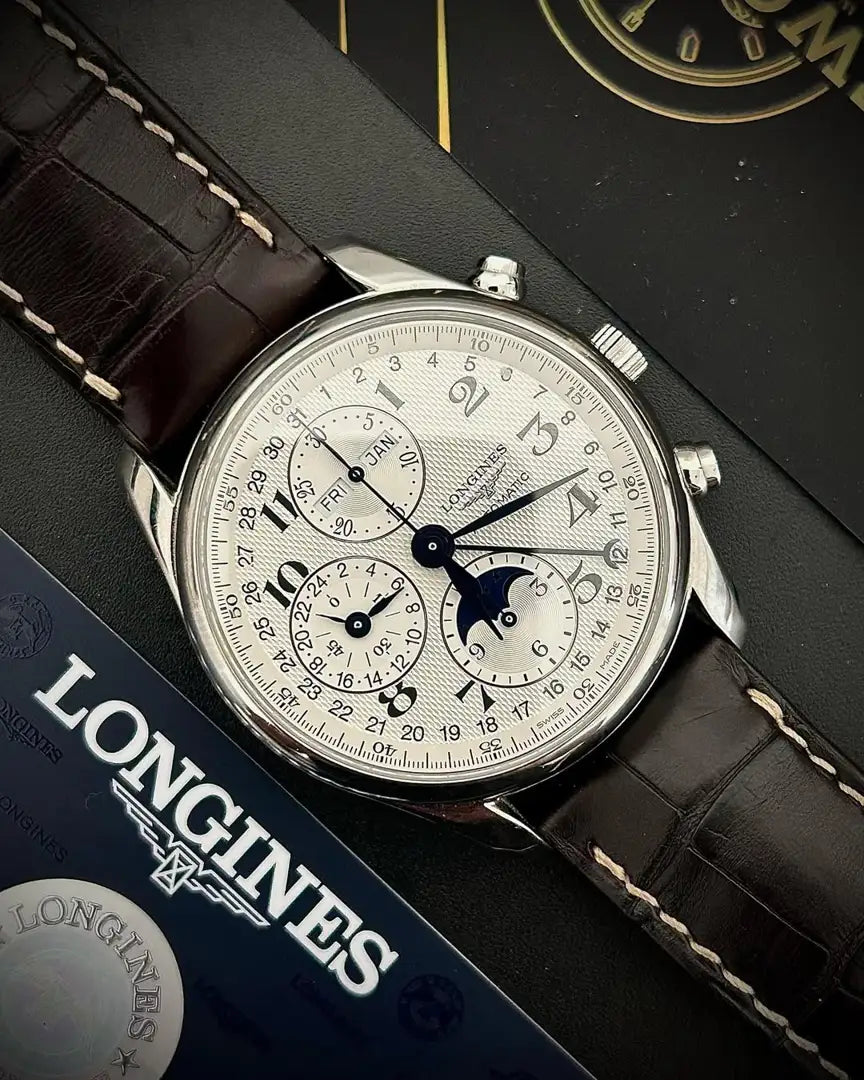
- Chronograph - stopwatch functionality with sub-dials for timing
- Pilot watch - high-legibility dials with aviation heritage
- Field watch - rugged, military-inspired, built for everyday wear
- Dress watch - slim, refined, designed for formal occasions
Walk into any watch conversation — or start browsing online — and it quickly becomes overwhelming. There are dozens of styles, hundreds of brands, and technical terms that seem designed to confuse anyone who isn't already deep in the hobby.
But here's the thing: most watches fall into just a handful of categories. Once you understand those categories, everything else starts to make sense. You can compare options more clearly, spot good value, and buy with confidence rather than guesswork.
I'm Brad Purdy, founder of WristWorks, and years of buying, selling, and trading watches across Australia have given me a practical, on-the-ground understanding of the 5 types of watches and what actually matters when you're choosing one. In this guide, I'll break down each type clearly so you can find the right fit for your lifestyle and budget. To help you get started, you can also read our guides on how to choose a watch or explore our comprehensive tips on how to select a watch.
Understanding Watch Movements and the 5 types of watches
Before exploring the individual styles, it is essential to understand what drives a timepiece. The movement, or the "engine" inside the case, dictates how a watch keeps time, how much attention it requires, and how the second hand moves across the dial.
Generally, watch movements are divided into two primary categories: quartz and mechanical. Mechanical movements are further split into manual-wind and automatic versions.
To help compare these options, we have outlined the key differences in the table below:
| Movement Type | Typical Accuracy | Power Source | Second Hand Motion | Maintenance Needs |
|---|---|---|---|---|
| Quartz | +/- 15 seconds per month | Battery (typically lasts 2–3 years) | Individual ticks (one per second) | Low (simple battery changes) |
| Mechanical (Manual) | +/- 20 seconds per day | Coiled mainspring (requires hand-winding) | Smooth sweeping motion | Medium (regular winding and servicing) |
| Automatic (Self-Winding) | +/- 20 seconds per day | Weighted rotor (powered by wrist movement) | Smooth sweeping motion | Medium (servicing every 5–7 years) |
Quartz watches rely on a tiny battery that sends an electrical current through a synthetic quartz crystal, causing it to vibrate at exactly 32,768 times per second. This remarkable stability makes quartz incredibly accurate and highly practical for daily wear. Innovations like Citizen's Eco-Drive (introduced in 1976) utilise light to charge the battery, while Seiko’s Spring Drive (launched in 1999) elegantly bridges the gap by combining quartz regulation with a mechanical gear train.
Mechanical watches, on the other hand, represent a traditional craft. They rely on a wound spring releasing energy through a series of gears. Automatic watches simplify this process by using a free-spinning rotor that winds the mainspring naturally as you move your wrist. While mechanical movements are less accurate than quartz on paper, collectors heavily favour them for their sweeping second hands and intricate engineering.
To dive deeper into the mechanics of these systems, you can explore our guide on From Novice to Watch Nerd: Your Essential Guide to Understanding Timepieces.
The Dive Watch: A Classic Choice Among the 5 types of watches
The dive watch is arguably the most popular style in modern watch collecting. Though designed for professional divers, its robust construction and clean aesthetic make it a perfect everyday companion.
Historically, the modern dive watch took shape in 1953 with the release of the Blancpain Fifty Fathoms and the Rolex Submariner. These early models established the template for what a reliable underwater timer should be. Today, professional dive watches adhere to strict ISO 6425 standards, which require a minimum water resistance of 100 metres (though 200 metres or more is highly recommended for actual swimming), a luminous second hand, and clear legibility at 25 centimetres in complete darkness.
Key features of a classic dive watch include:
- Unidirectional Rotating Bezel: Used by divers to track elapsed time underwater. It only rotates anticlockwise so that any accidental knocks will only shorten the remaining dive time, keeping the wearer safe.
- Screw-Down Crown and Caseback: These components feature rubber gaskets that seal the watch tightly against moisture and dust.
- Highly Luminous Markers: Coated in bright luminous material (lume) to ensure readability in murky depths or dark rooms.
While built as tool watches, their durable stainless steel cases and versatile designs mean they transition effortlessly from a weekend swim to a smart-casual dinner. For a deeper look at the evolution of this style, check out the 7 Types of Watches for Men: Best Brands and Styles 2026 | FashionBeans.
The Chronograph: Precision Timing on Your Wrist
A chronograph is simply a watch with a built-in stopwatch function. Recognisable by the extra buttons (pushers) on the side of the case and small sub-dials on the face, the chronograph has a rich history tied to speed, aviation, and exploration.
The first modern chronographs featured a single button, but the design evolved into the dual-pusher layout we see today: the top pusher starts and stops the timer, while the bottom pusher resets it to zero. Many chronographs also feature a tachymeter scale around the outer bezel, which allows the wearer to calculate speed based on travel time over a fixed distance.
This functionality made chronographs indispensable in motorsports and space exploration. The Rolex Daytona, introduced in 1963, was designed specifically for professional race car drivers to track lap times. Meanwhile, the Omega Speedmaster secured its place in history as the first watch worn on the Moon during NASA's Apollo 11 mission in 1969.
Whether you are timing a race, a flight, or simply brewing your morning coffee, the chronograph offers a tactile, engaging experience on the wrist. You can read more about this category in The ABCs of Time: The Most Popular Watch Styles Explained.
The Pilot Watch: High-Legibility Aviation Heritage
Born out of necessity in the early days of aviation, pilot watches were designed to help aviators calculate navigation details quickly in cramped, shaking cockpits. The very first purpose-built pilot's watch, the Cartier Santos, was created in the early 20th century so pilots could keep both hands on the controls while checking the time.
Unlike dive watches, which prioritise water resistance, pilot watches focus entirely on legibility and ease of use. Key characteristics include:
- High-Contrast Dials: Typically featuring white hands and large Arabic numerals against a matte black face.
- Oversized Crowns: Originally designed to allow pilots wearing thick leather gloves to wind and adjust their watches easily.
- Dual-Time or GMT Complications: Many modern aviation watches include a secondary hour hand to track multiple time zones simultaneously during long-haul travel.
The clean, utilitarian layout of a pilot watch makes it incredibly easy to read at a glance, making it a popular choice for those who appreciate functional, minimalist design.
The Field Watch: Rugged Simplicity and Military Roots
The field watch is the direct descendant of the trench watches worn by soldiers in World War I. Prior to this era, most men carried pocket watches, but the realities of battlefield coordination required a durable timepiece worn securely on the wrist.
During World War II, the British Ministry of Defence commissioned robust, uniform watches from twelve Swiss manufacturers—a group now famously referred to by collectors as the "Dirty Dozen." These watches had to meet strict specifications: a black dial, Arabic numerals, luminous hands, and a modest case size (typically around 36.5mm) to avoid catching on gear.
Field watches are defined by their rugged simplicity. They feature tough steel or titanium cases, often with matte or bead-blasted finishes to eliminate glare. The dials are straightforward, prioritising readability over ornamentation, and often include a secondary 24-hour military time scale. Lightweight, incredibly durable, and unpretentious, the field watch is the ultimate casual timepiece for outdoor adventures or relaxed weekend wear.
The Dress Watch: Elegant Sophistication for Formal Wear
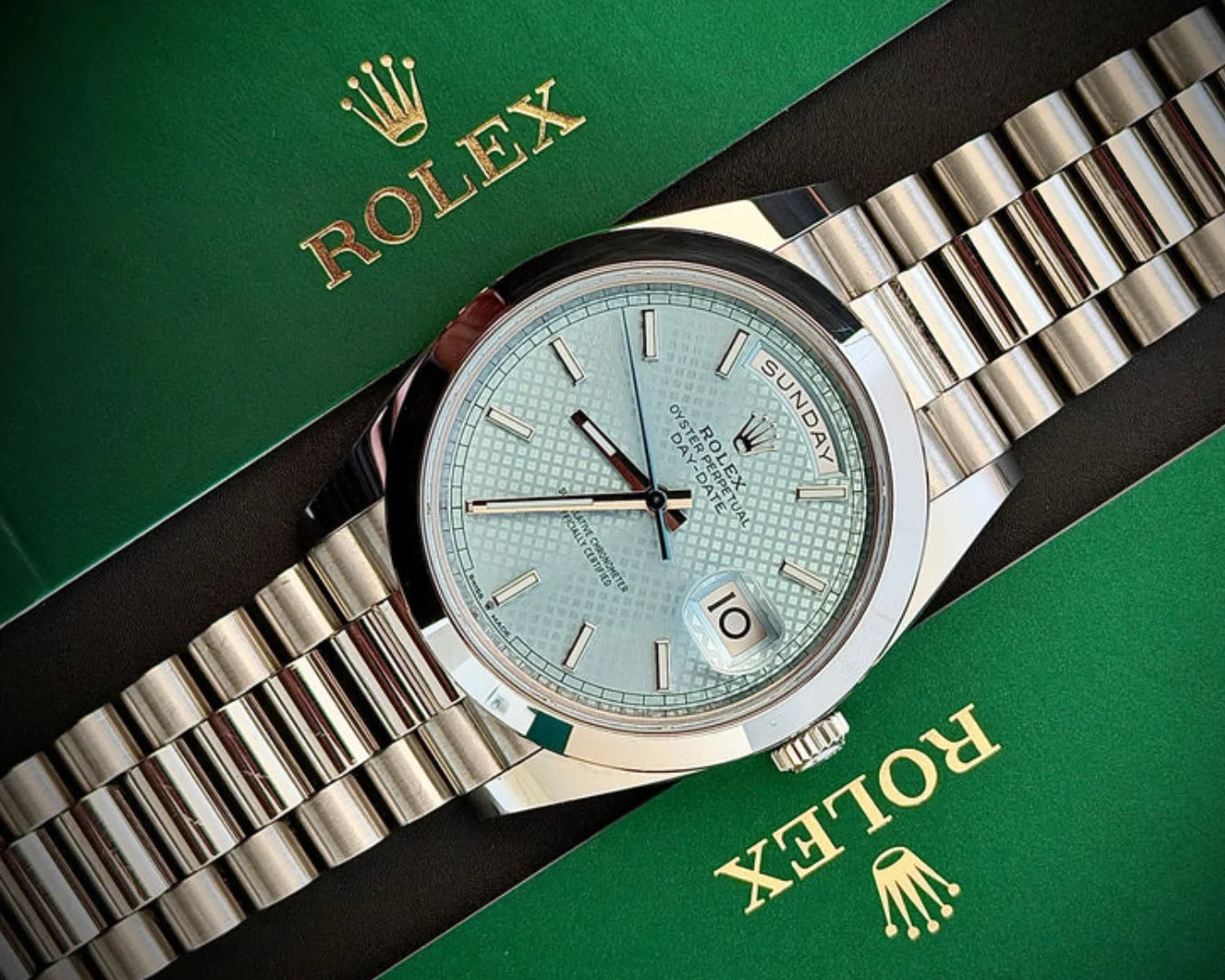
While the other four types are built as functional tools, the dress watch is designed for pure elegance. Its sole purpose is to complement formal attire, such as a business suit or dinner jacket, without drawing unnecessary attention to itself.
A classic dress watch is characterised by its minimalist design. It typically features a thin, low-profile case—often under 9mm thick—allowing it to slide smoothly beneath a shirt cuff. The dial is clean and uncluttered, usually displaying only the hours and minutes with simple baton markers rather than numbers. Traditional dress watches are crafted from precious metals like gold or platinum and paired with a high-quality leather strap.
When caring for these elegant pieces, watch care practices differ by age. While light polishing is generally acceptable to keep modern dress watches looking pristine, it is best avoided for vintage pieces, where preserving the original sharp edges of the case is highly valued by collectors.
Selecting Your Perfect Match From the 5 types of watches
Choosing your first luxury timepiece is a personal journey. To ensure you select a watch that looks great and feels comfortable on your wrist, keep these factors in mind:
- Case Size and Fit: Use a flexible tape measure to find your wrist size. As a general rule, wrists under 17 cm suit case diameters between 36mm and 40mm, while larger wrists can comfortably accommodate cases from 40mm to 44mm.
- Materials: Stainless steel is the gold standard for daily durability. If you prefer a lighter feel, look for titanium. For scratch resistance, ceramic is an excellent modern option.
- Complications: Consider which features actually fit your daily life. A simple date window or a dual-time GMT hand is highly practical, whereas a complex chronograph is perfect for those who enjoy mechanical interaction.
For a comprehensive walkthrough of the buying process, refer to our guides on How to Choose a Watch and our Ultimate Watch Selection Guide.
How to Choose and Style Your First Timepiece
Building a versatile watch collection is about matching the right timepiece to the right occasion. A rugged field watch or pilot watch pairs naturally with casual denim, boots, and a t-shirt. A dive watch offers incredible versatility, easily dressing up with a blazer and chinos or dressing down for a day at the beach. When formal events arise, nothing replaces the understated sophistication of a classic dress watch on a leather strap.
At WristWorks, based in Perth, Western Australia, we believe that finding your next timepiece should be a straightforward, secure, and transparent experience. Rather than dealing with the complexities of peer-to-peer marketplaces, we focus primarily on direct-to-dealer outright sales. This model provides the speediest and most secure way to buy, sell, or trade.
We own 95% of our inventory directly, ensuring that every piece we offer is curated to the highest standards. For clients looking for alternative options, we also offer a secure consignment service where we hold the piece and handle all payments directly on your behalf.
Ready to find your first classic timepiece? Explore our curated collection of luxury watches today and take the first step in your collecting journey.