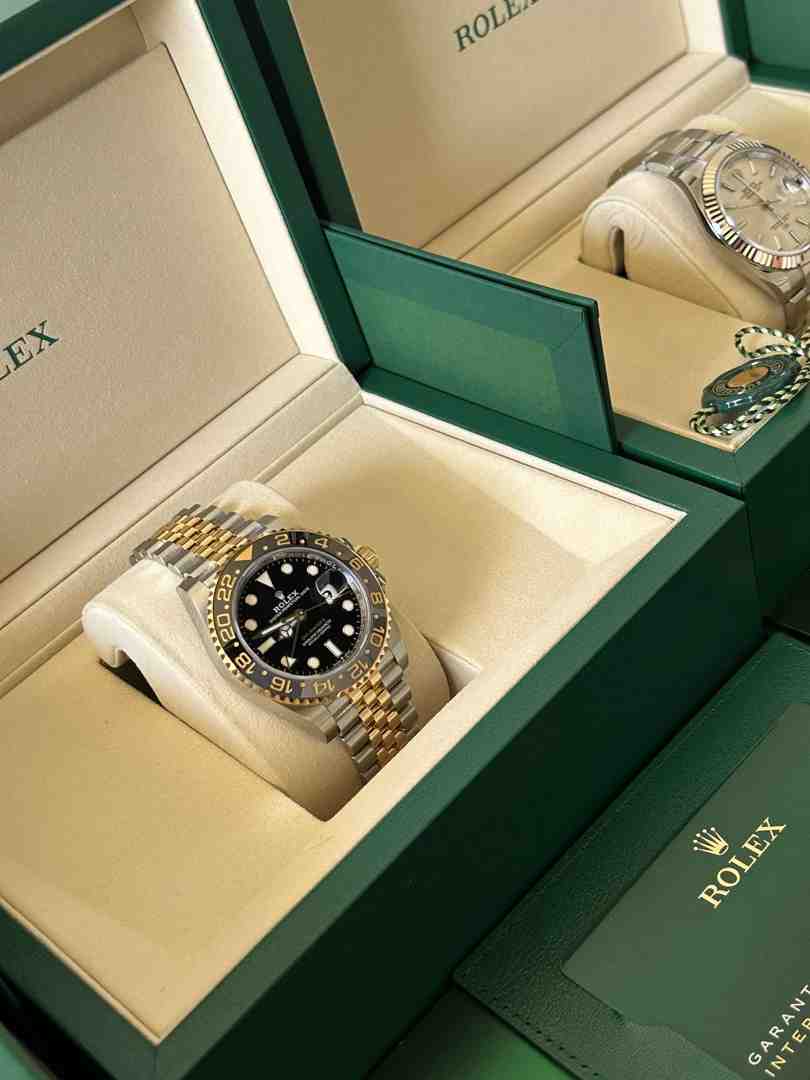
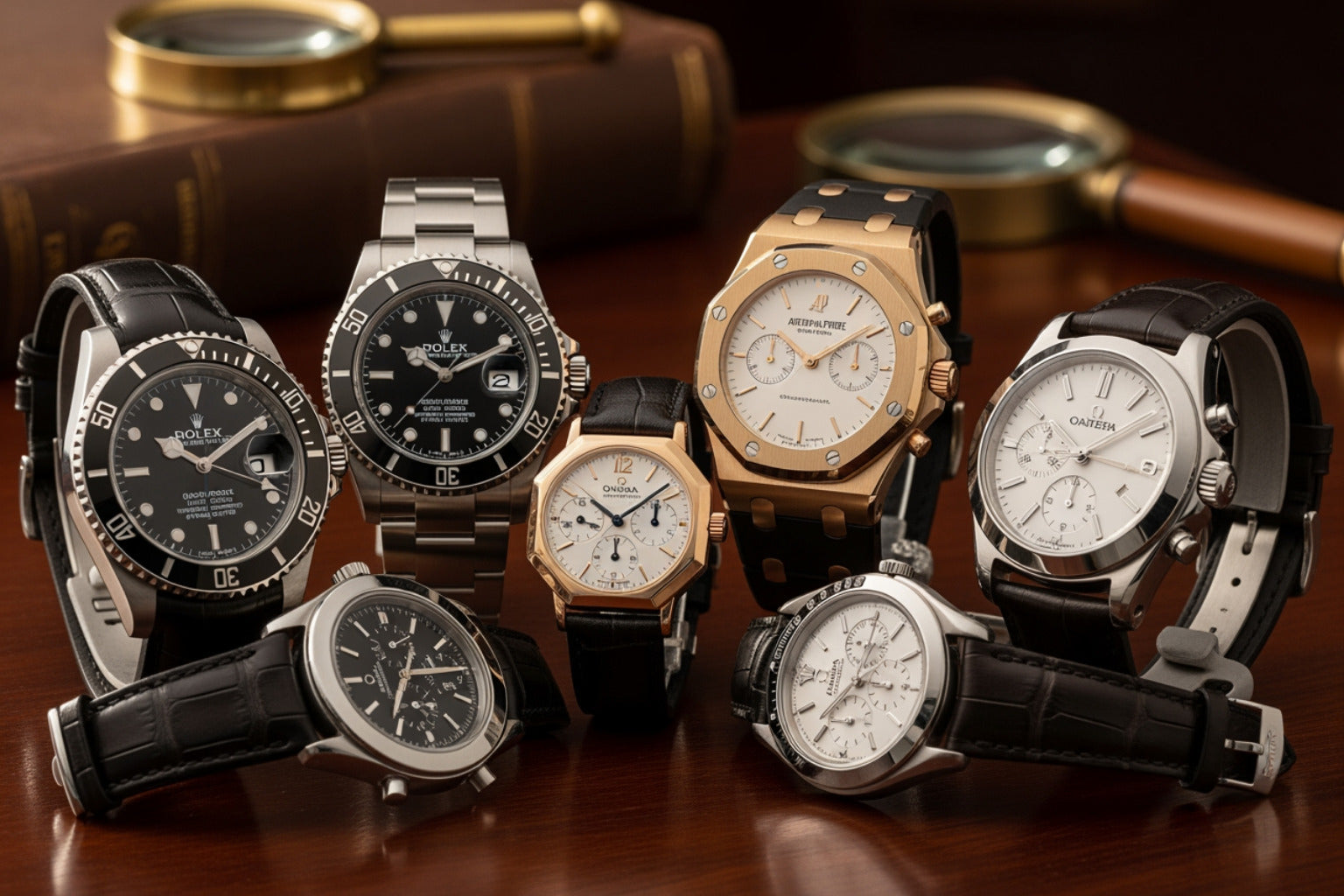
From Novice to Watch Nerd: Your Essential Guide to Understanding Timepieces
Why Learning About Watches Transforms Confusion into Confidence
When you learn about watches, the subject becomes much clearer. While the industry has its own language and history, everyone starts with the basics. To learn effectively, focus on three foundations:
- Movement types - The difference between mechanical, quartz, and solar.
- Watch styles - Recognising dive, pilot, dress, and sport watches.
- Key terminology - Understanding complications, chronometers and core components.
Watches tell stories beyond just time. A dive watch speaks to exploration, while a dress watch represents centuries of careful craftsmanship. Understanding a watch’s purpose makes the technical details easier to grasp. In a digital age, well-made mechanical watches offer tangible craftsmanship and long-term appeal.
This practical guide breaks down the essentials, from watch anatomy to navigating the market with confidence. You’ll also find balanced advice on learning by yourself versus using a trusted dealer when it comes to buying, selling and servicing. The goal is to help you build a collection that reflects your taste, with an emphasis on authenticity, quality and customer satisfaction.
With the right knowledge, you can enter this world without the uncertainty that stops many people. Let’s begin with what makes a watch tick.
The Foundations: Your Guide to Learn About Watches
To truly learn about watches, start with the heart of every timepiece: its movement. The movement powers the hands and influences a watch’s character and value.
Understanding What Makes a Watch Tick: Movements Explained
Mechanical movements are powered by a coiled mainspring that unwinds through a series of gears. There are two main types: manual-winding watches need winding via the crown, while automatic watches use a rotor that spins with your wrist’s movement. The power reserve indicates how long a fully wound watch will run, often 40–72 hours.
Quartz movements use a battery to send an electrical current through a quartz crystal. The crystal’s vibrations deliver high accuracy. The second hand on a quartz watch usually moves in one-second ticks.
Solar movements are quartz watches with a solar panel on the dial that converts light into energy, stored in a rechargeable battery. This reduces or removes battery changes.
You’ll also see the term ‘in-house’ movement, meaning the brand designed and produced the movement itself. Many respected brands also use reliable movements from specialised third-party suppliers.
Which is better? Quartz offers accuracy and low maintenance at accessible prices. Mechanical watches are valued for their craftsmanship, the smooth sweep of the seconds hand and a connection to traditional watchmaking. Neither is 'better' in absolute terms—it depends on what you value.
If you want to see a mechanical watch in action, our guide to the Tudor Black Bay walks through one of the most respected examples on the market today.
Decoding Watch Styles and Features: From Complications to Chronometers
Watches are designed for specific purposes, and understanding those helps everything else make sense.
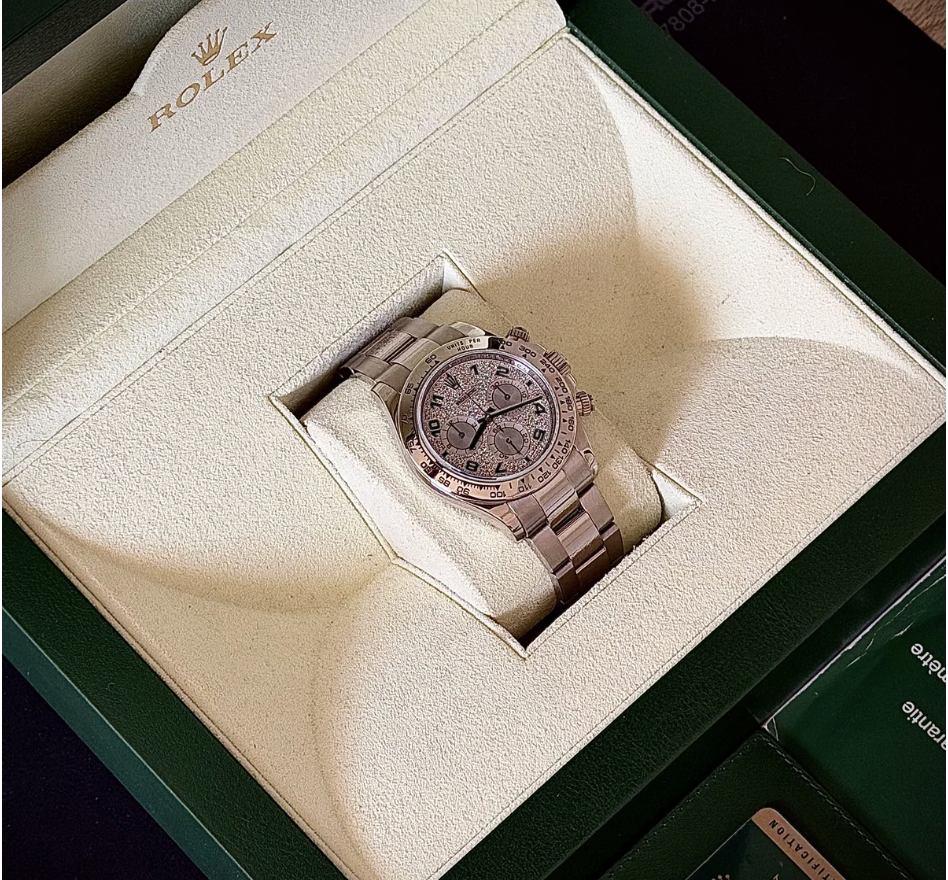
- Dive watches: Built for underwater use, they feature strong water resistance, luminous markers for low-light visibility, and a unidirectional rotating bezel to track time safely.
- Pilot watches: Prioritising legibility, they have large, clear dials and numerals. Many include chronographs or GMT functions for navigation.
- Dress watches: Slim and understated. Designed to work with formal attire, often featuring simple dials and leather straps.
- Sport watches: Durable and versatile, suitable for an active lifestyle yet refined enough for daily wear.
A complication is any function beyond telling time. Common examples include a chronograph (stopwatch), a GMT (for a second time zone) and a date display.
For a closer look at timeless design, explore our guide to the Cartier Tank, a dress watch that has remained largely unchanged for over a century.
Where to Learn About Watches: The Best Resources
Excellent resources are widely available online. YouTube channels and watch blogs like Hodinkee and Fratello offer reviews and news. Online forums such as Reddit’s r/Watches let you connect with other collectors.
Local meetups can also help you see watches in person and speak with experienced collectors.
You don’t need to spend a lot to start. Hands-on experience with well-made, affordable watches lets you discover your preferences before moving to more significant pieces.
Basic Care to Protect Your Watch
- Keep your watch clean and dry after exposure to sweat, saltwater, or dust.
- Check water resistance periodically, especially after a knock or before swimming.
- Service intervals vary by brand and use; follow manufacturer guidance and consult a trusted watchmaker when unsure.
- Polishing is acceptable for most modern watches when done carefully by a professional. For vintage pieces, polishing is generally avoided to preserve original lines and value.
From Enthusiast to Collector: Navigating the Watch World
Once you’ve grasped the fundamentals, your focus shifts to buying, selling, valuing and caring for timepieces.
How to Learn About Watches: Brands, Value, and the Secondary Market
Understanding a brand’s history and contributions helps you assess value in context. In the secondary market (pre-owned), price depends on brand, model, condition, service history, rarity and current demand. Documentation matters—original box and papers (a ‘full set’) usually increases confidence and resale value, but they’re not the only indicators of a good watch. Markets move in cycles; prices can rise or fall with broader trends, product releases, and collector interest. Treat watches as items to enjoy first, with value retention as a consideration rather than a guarantee.

For insights into selling with confidence, see Why choosing the right buyer matters when selling your watch.
DIY vs Using a Dealer: Buying and Selling
-
DIY approach:
- Pros: Full control, potential to find good private deals, and flexibility on timing.
- Considerations: Time-consuming research, price uncertainty and higher risk of counterfeit or misrepresented pieces. Shipping, insurance and handling disputes can add complexity.
-
Working with WristWorks:
- Pros: Expert guidance for all watches we own or sell, transparent pricing and a secure, streamlined process.
- For sellers: Direct-to-dealer sales are the primary, recommended method so you can skip the uncertainty of online marketplaces.
- For buyers: Our curated selection focuses on quality and correctness, with clear disclosures and photos to support informed decisions.
Outright Sale vs Consignment
Outright sale (recommended for most sellers): Fast and straightforward. You receive an instant quote and payment is made directly to WristWorks. This approach removes the delays and unpredictability of private listings.
Consignment (useful secondary option): Can suit rare or higher-value pieces where you may seek a stronger price. At WristWorks, there are no limitations on consignment—your watch is held by us during the process, and payments are made directly to the business. Consignment may take longer and depends on market demand, so speak with us about timeframes and expectations.
We own approximately 95% of our inventory, with consignment offered as an optional service rather than a focus.
The Power of Community and Avoiding Beginner Mistakes
Engaging with the watch community online or at local meetups can accelerate your learning. A few practical tips:
- Avoid impulse buys: Research references, specifications and comparable sales before committing.
- Be cautious with fashion-first brands: They can be fun, but they usually don’t offer the same build quality or value retention as dedicated watchmakers.
- Protect against counterfeits: Buy from reputable dealers who guarantee authenticity. Private purchases demand close inspection; our guide to spotting a fake Audemars Piguet outlines common red flags.
Starting Your Collection with Confidence
Start with movements and styles, try affordable pieces to refine your taste, and keep documentation for significant purchases. If you plan to sell, consider a direct sale to a dealer for speed and certainty, with consignment as a secondary route when time allows.
WristWorks is built around expertise, security and convenience. We own about 95% of our inventory, with consignment available as an optional service.
When you’re ready to move from learning to owning—or to sell with confidence—explore our curated collection of authenticated luxury watches or contact us for an instant quote and straightforward next steps.