Step-by-Step Guide to Choosing a Watch
Why Choosing the Right Watch Matters More Than You Think
Knowing how to choose a watch involves a structured approach to ensure the timepiece aligns with your functional needs and long-term preferences. The process can be simplified into five primary considerations:
- Identify the movement type: Decide between the traditional craftsmanship of mechanical and automatic movements or the precision of quartz.
- Select a style for your lifestyle: Match the watch to your daily activities, whether that involves formal environments, diving, or field work.
- Determine the correct proportions: Ensure the case size and lug-to-lug measurements suit your wrist, typically ranging between 38mm and 42mm for most individuals.
- Establish a realistic budget: Consider the initial cost alongside potential value retention and the benefits of the pre-owned market.
- Choose a secure acquisition method: Opt for established dealers to ensure a transparent transaction and professional service.
In 2026, the global watch market presents a complex landscape. While the availability of timepieces has never been greater, the sheer volume of options across various price points can make the selection process challenging. A watch is rarely just a tool for timekeeping; it is a significant purchase that often reflects personal taste and can serve as a store of value. Making an informed decision is essential to ensure the piece remains a staple of your collection for years to come.
The difficulty for many buyers lies in navigating technical specifications. From movement architectures and case materials to water resistance ratings and complications, the details can be overwhelming. Furthermore, the rise of secondary markets and the prevalence of opaque pricing structures mean that buyers must be more diligent than ever. This guide is designed to provide a clear, practical framework for selecting a quality timepiece, whether you are a first-time buyer or an experienced collector.
I am Brad Purdy, founder of WristWorks. My background in sales and finance, paired with extensive experience in the Australian watch market, allows me to provide a grounded perspective on selecting watches that suit specific lifestyles while maintaining their value. This guide focuses on the practicalities of the market, helping you navigate the transition from interest to ownership with confidence.
How to Choose a Watch: Understanding Movements and Styles
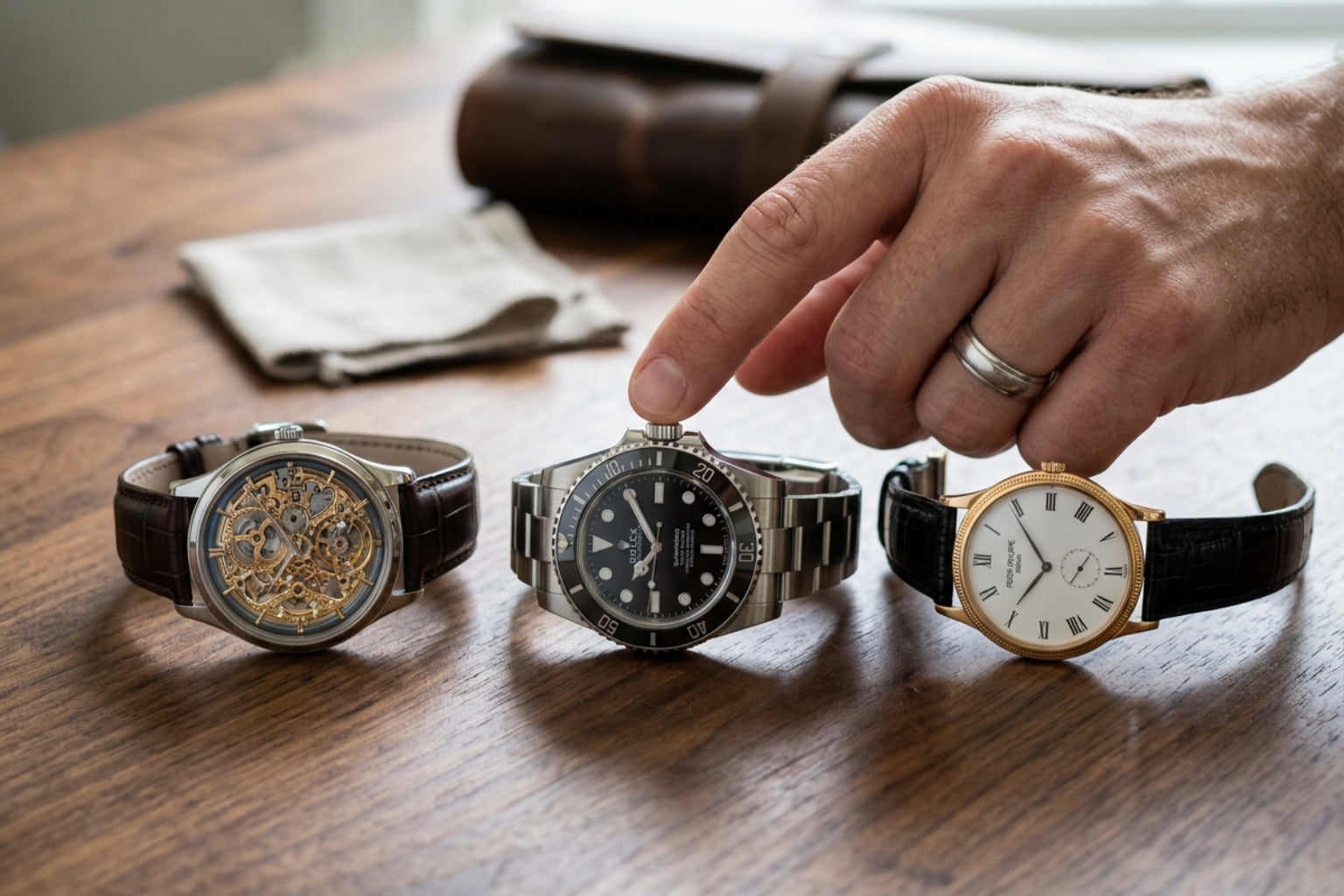
When considering how to choose a watch, it is helpful to view the timepiece as a sophisticated piece of engineering. The internal mechanism, or movement, serves as the engine of the watch, while the external design defines its functional category. Understanding these elements is the first step in identifying a watch with a strong technical heritage.
A high-quality watch represents a combination of history and precise manufacturing. Every style has a specific origin, from rugged tools developed for military use to elegant designs intended for formal settings. For those beginning their journey, we recommend reading from novice to watch nerd your essential guide to understanding timepieces to build a foundational understanding of these concepts.
As noted in The Ultimate Guide to Choosing a Watch, the selection often involves an emotional connection to the craftsmanship involved. In the Australian market, many collectors favour mechanical movements because they represent a traditional approach to timekeeping that does not rely on disposable components.
Mechanical vs Quartz: How to Choose a Watch Movement
The movement inside the case determines how the watch functions and how much interaction it requires from the wearer. There are three primary types of movements found in modern timepieces:
| Feature | Mechanical (Manual) | Automatic (Self-Winding) | Quartz (Battery) |
|---|---|---|---|
| Power Source | Hand-wound mainspring | Rotor moved by wrist motion | Battery |
| Second Hand | Smooth sweep | Smooth sweep | Individual ticks |
| Accuracy | +/- 2-20 seconds per day | +/- 2-20 seconds per day | +/- 15 seconds per month |
| Maintenance | Service every 5-10 years | Service every 5-10 years | Battery change every 2-3 years |
| Appeal | Traditional craftsmanship | Convenience & engineering | Precision & durability |
Mechanical and automatic watches are highly regarded for their intricate construction. An automatic watch features a weighted rotor that rotates with the movement of the wearer's arm, winding the mainspring automatically. If the watch is not worn for several days, the power reserve will deplete, but it can be easily restarted by manually winding the crown. Quartz watches use a battery to send an electric current through a small quartz crystal, causing it to vibrate at a precise frequency. This results in superior accuracy compared to mechanical movements. For a more detailed comparison, see our ultimate watch selection guide.
Matching Your Lifestyle: How to Choose a Watch Style
Your daily routine is the best guide for selecting a watch style. A timepiece designed for formal wear may lack the durability required for outdoor activities, while a rugged tool watch might feel out of place in a professional boardroom.
- Dress Watches: These are characterised by their slim profiles and minimalist dials. They are designed to fit comfortably under a shirt cuff and are typically paired with leather straps.
- Dive Watches: These are among the most versatile and popular styles. They feature high water resistance (typically 100m or more) and a unidirectional rotating bezel used to track elapsed time.
- Field Watches: Evolving from military requirements, these watches prioritise legibility and durability. They are excellent for casual, everyday use.
- Pilot Watches: Designed for aviators, these watches often feature large dials, high-contrast numerals, and oversized crowns for easy adjustment.
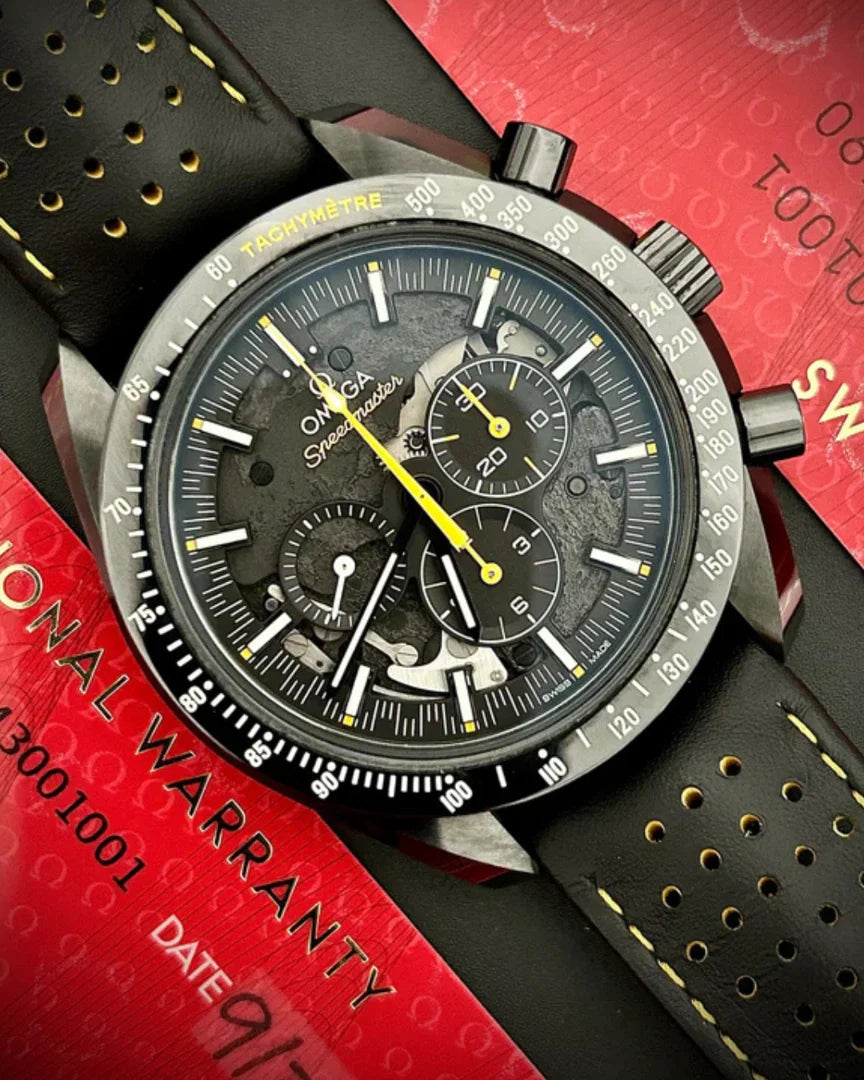
- Racing Watches: These often include a chronograph function for timing events and a tachymeter scale on the bezel to calculate speed based on travel time.
According to How to Choose the Perfect Watch for You | Timex US, your choice should align with your most frequent activities. For a more specific perspective on masculine styles, our guide on how to choose a watch for a man offers further insights into styling and proportions.
Practical Considerations for Your First Quality Timepiece
After selecting a movement and style, physical specifications become the priority. A watch must be comfortable and well-proportioned to ensure it is worn regularly. In our watch buying guide 2026, we highlight that ergonomics are as vital as the visual design.
Finding the Perfect Fit: Case Size and Wrist Proportions
A common error is selecting a watch that is disproportionately large. While oversized designs were once a trend, the current market has shifted back toward classic, wearable sizes. For wrists measuring 15cm to 18cm (6 to 7 inches), a case diameter of 38mm to 42mm is generally ideal. Those with larger wrists can comfortably accommodate watches of 44mm or more.
However, the "lug-to-lug" distance—the measurement from the top tip of the watch to the bottom tip—is often more important than the diameter. If the lugs extend beyond the edges of your wrist, the watch is likely too large. For more information on sizing, consult our guide on how to find your perfect timepiece a complete guide to buying watches online.
Materials, Complications, and Care
Materials play a significant role in the longevity of a watch. 316L stainless steel is the standard for its corrosion resistance, while titanium offers a lighter, hypoallergenic alternative. For the crystal, sapphire is the preferred choice due to its high scratch resistance. Regarding maintenance, it is important to note that light polishing is acceptable for modern watches to maintain their appearance. However, for vintage pieces, polishing is generally avoided to preserve the original case lines and historical value.
Common complications include the date display, chronographs for timing, and GMT functions for tracking multiple time zones. If you are interested in a specific iconic model, you can read our buy omega speedmaster watch complete guide.
Budgeting and the Secondary Market
Budget is a central factor in how to choose a watch. New luxury watches often experience immediate depreciation. Consequently, the pre-owned market in Australia has grown significantly, allowing buyers to access high-quality timepieces while avoiding initial value loss. Brands like Rolex and Patek Philippe are particularly noted for their ability to hold value. For those starting out, we suggest reading about buying first luxury watch. For insights into specific brands, our guide to buying rolex and omega buying guide provide detailed market analysis.
Where to Buy: Security and Professionalism

Choosing where to buy is the final step. While DIY approaches like peer-to-peer marketplaces exist, they often involve security risks and complex negotiations. Selling directly to a dealer is the primary, recommended method for those seeking speed and security. At WristWorks, we specialise in this direct-to-dealer model. We own 95% of our inventory, meaning every piece has been physically inspected by our team. We also offer consignment as an optional secondary service, where we hold the watch and manage the sale on your behalf.
Key Considerations for a Secure Purchase:
- Full Sets: Prioritise watches that include the original box and documentation, as this supports future resale value.
- Inventory Ownership: Ensure the seller has physical possession of the watch. At WristWorks, our ownership of the majority of our stock ensures a transparent process.
- Transparent Pricing: We provide GST-inclusive pricing and free nationwide shipping across Australia.
- Professional Standards: Avoid following short-term trends and focus on established sellers with a clear track record. For more advice, read your go-to-guide for buying pre-owned luxury watches online.
Choosing a watch is a rewarding process of discovery. Whether you seek a robust diver or a refined dress watch, the right choice is one that provides lasting satisfaction.
Ready to find your next timepiece? Explore our collection of luxury watches or contact us at WristWorks for a professional valuation on your current collection.