How to Verify Rolex Authenticity in Simple Steps
Why Knowing If Your Rolex Is Real Matters More Than Ever
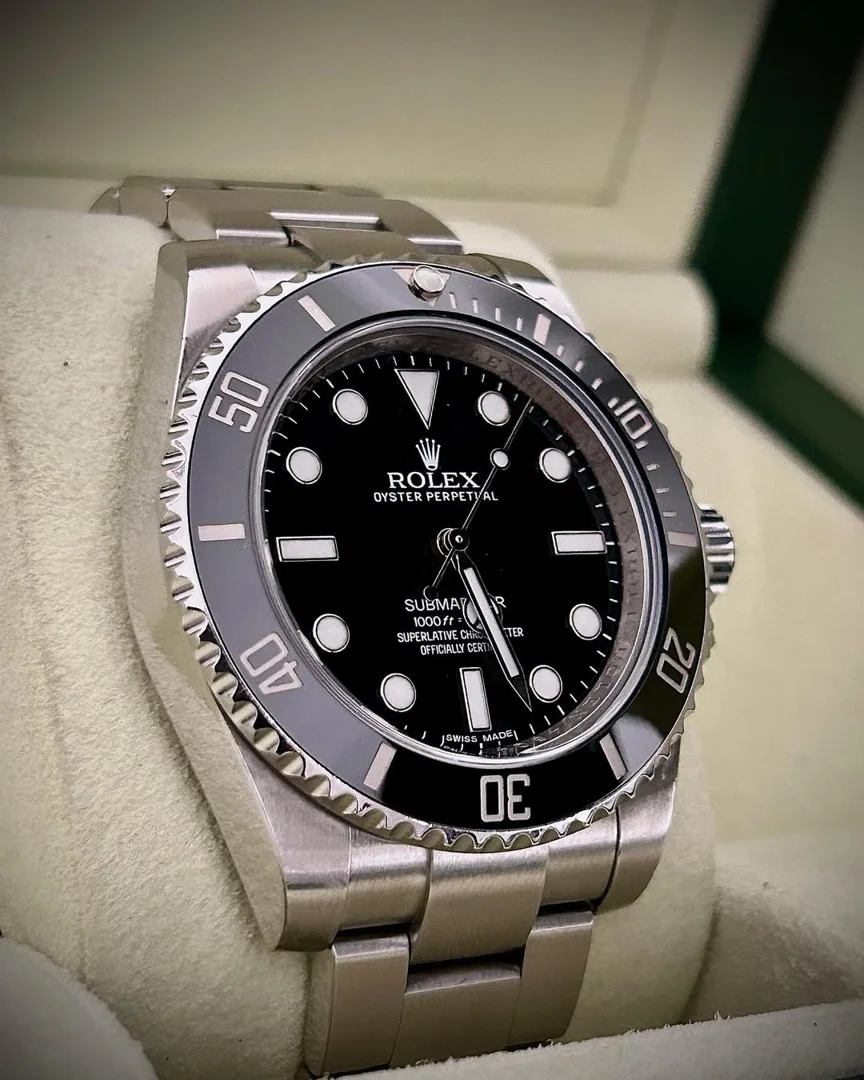
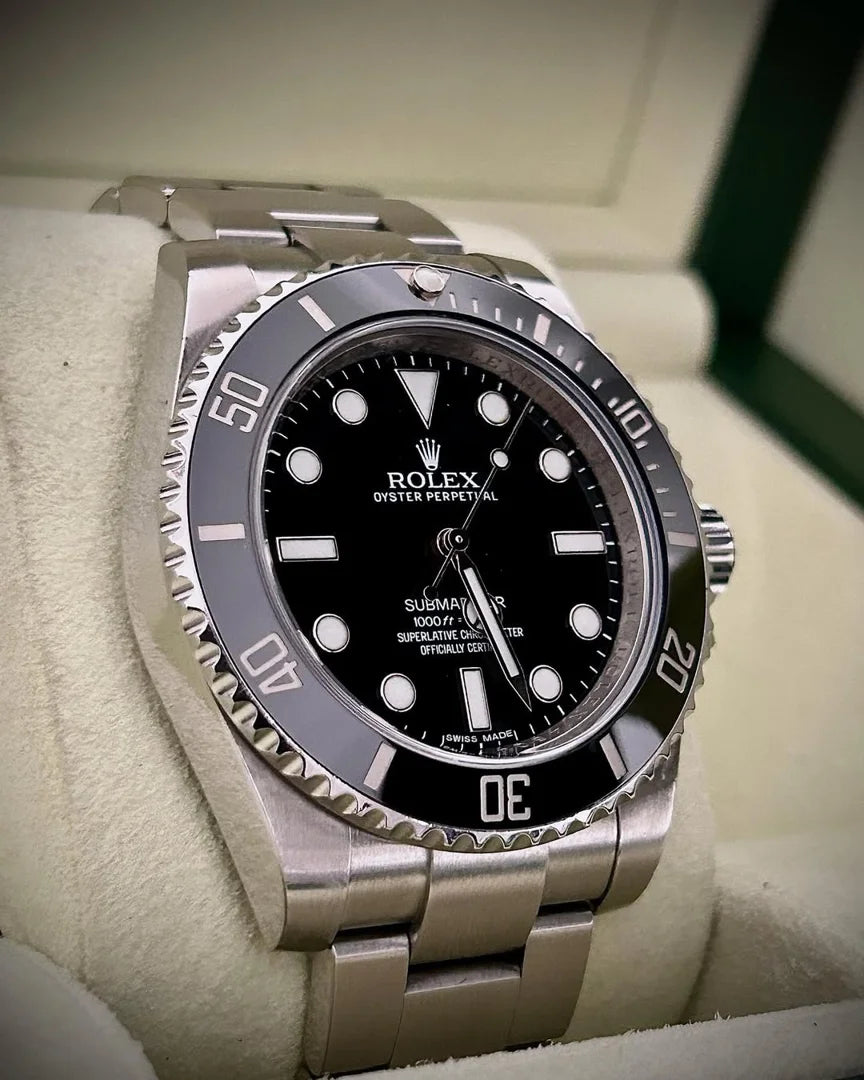
How can I tell if my Rolex is real? Here is a quick checklist:
- Seconds Hand: Sweeps smoothly, never ticks.
- Cyclops Lens: Magnifies the date exactly 2.5 times.
- Caseback: Plain solid metal, never transparent.
- Serial Number: Engraved on the rehaut (inner ring) on post-2005 models.
- Weight: Feels substantial due to dense 904L Oystersteel.
- Dial: Fonts and markers are sharp, clean, and perfectly aligned.
- Paperwork: Serial numbers on the card must match the watch exactly.
For absolute certainty, have a professional open the caseback to examine the movement.
Rolex is the most counterfeited luxury brand globally. Today, "super clones" use genuine Swiss movements, ceramic bezels, and 904L steel, making them incredibly difficult to detect. Even experienced collectors can be fooled.
In Australia, private marketplaces offer little protection once money changes hands. I'm Brad Purdy, founder of WristWorks. After being scammed early in my career for $13,000, I know why learning how can I tell if my Rolex is real is vital. This guide covers practical steps to check a Rolex yourself and when to seek professional help.
Physical Indicators: How Can I Tell If My Rolex Is Real?
When you hold a luxury watch, the first thing you should notice is the incredible attention to detail. Every edge, surface, and mechanism is crafted to the highest standard. To recognise a real Rolex watch, we must look past the initial shine and closely examine the physical indicators that counterfeiters struggle to replicate.
The manufacturing process of a genuine luxury watch involves specialised machinery and strict quality control. Replicas, even high-end ones, are produced in facilities that cut corners to remain profitable. By understanding where these shortcuts happen, you can spot the discrepancies.
Dial Details and the Question: How Can I Tell If My Rolex Is Real?
The dial is the face of the watch, and it is often where counterfeiters make mistakes. When you look at a genuine Rolex dial under a magnifying glass or a jeweller's loupe, the printing should be absolutely crisp. The paint is slightly raised, with clean, sharp edges and no bleeding.
On a replica, you might notice uneven spacing, slightly fuzzy lettering, or a "floating" letter (such as a misaligned "m" in the depth rating). To understand how to spot a fake Rolex, pay close attention to these key dial features:
- The Coronet (Crown Logo): The iconic Rolex crown at the 12 o'clock position should be beautifully finished with smooth, rounded tips. Fake models often feature flat, poorly proportioned crowns with rough edges.
- The Hands: Genuine hands are crafted from precious metals (like 18k gold) and polished to a mirror-like shine. Counterfeit hands are often made of cheap alloys, which look dull or show tiny scratches under magnification.
- Lume Application: Since 2008, Rolex has used its proprietary Chromalight luminous material, which glows a distinct electric blue in the dark and lasts for up to eight hours. Older models use green-glowing SuperLuminova. The application on a genuine dial is perfectly even, whereas fakes may show patchy, inconsistent brightness or messy borders around the hour markers.
Weight, Materials, and Movement Smoothness
One of the most reliable ways to tell if a Rolex watch is real is to assess its weight and materials. Genuine models are made of exceptionally dense, high-grade metals. Rolex uses Oystersteel (a highly corrosion-resistant 904L stainless steel), 18k gold (cast in their own foundry), or 950 platinum.
This choice of materials gives the watch a distinct, substantial weight on your wrist. Cheap replicas made from basic 316L steel or gold-plated base metals feel noticeably lighter and less balanced.
Another giveaway is the movement of the seconds hand. A genuine Rolex mechanical movement beats at 28,800 vibrations per hour (8 ticks per second). This rapid speed creates the illusion of a perfectly smooth, sweeping motion. If the seconds hand ticks visibly once per second, it is powered by a cheap quartz movement. While some high-end "super clones" now feature automatic movements that mimic this sweep, they rarely achieve the silent, buttery-smooth operation of a genuine calibre.
| Feature | Genuine Rolex Watch | Counterfeit Rolex |
|---|---|---|
| Primary Steel | 904L Oystersteel (extremely dense, high lustre) | 316L Stainless Steel (duller, lighter) |
| Precious Metals | Solid 18k gold or 950 platinum | Thin gold plating or cheap base alloys |
| Seconds Hand | Smooth sweep (8 ticks per second) | Ticking motion (quartz) or rough sweep |
| Winding Feel | Smooth, consistent, and completely silent | Gritty, noisy, or loose crown operation |
The Cyclops Lens and Caseback Features
The Cyclops lens is the magnifying glass positioned directly over the date window on models like the Datejust and Submariner. Rolex invented this feature to improve legibility, and it remains a massive hurdle for counterfeiters. On a genuine watch, the Cyclops is made of scratch-resistant sapphire crystal and magnifies the date by exactly 2.5 times. The date numeral should fill the entire window, appearing crisp and centred.
Many replicas use simple mineral glass lenses that only provide 1.5x magnification, leaving the date looking small and difficult to read. For a visual comparison of these optical differences, you can Watch: How to Tell If Your Rolex is Real or FAKE to see how fakes fail the magnification test in real-time.
Additionally, look closely at the crystal at the 6 o'clock position. On models produced from 2002 onward, Rolex laser-etches a microscopic crown logo into the sapphire crystal. This logo is incredibly difficult to see with the naked eye and requires angled light and a loupe to locate. Counterfeits often print this logo on the surface of the glass, making it far too large and easily visible.
Finally, flip the watch over. With very rare exceptions (such as the modern Rolex 1908 or the platinum Daytona), Rolex does not produce watches with clear exhibition casebacks. The back of a genuine Oyster case is a smooth, solid piece of metal without any engravings, logos, or clear windows. If you see a transparent caseback showing the movement inside, you are almost certainly looking at a fake.
Safe Buying Practices and Professional Inspection
While physical checks are an excellent first line of defence, the secondary market can be deceptive. To protect your hard-earned money, combine your physical inspection skills with safe buying habits. Relying entirely on a DIY check is risky when dealing with modern replicas that easily bypass basic visual tests. The only way to be entirely confident is through a systematic verification process.
Serial Numbers and Paperwork: How Can I Tell If My Rolex Is Real?
Every genuine Rolex is assigned a unique serial number that helps track its production history. Checking the location and quality of this engraving is a crucial step.
- Pre-2005 Models: The serial number is engraved deep into the metal between the lugs at the 6 o'clock position, requiring bracelet removal to view. The model reference number is at the 12 o'clock position.
- Post-2005 Models: Rolex began engraving the serial number on the rehaut (the inner metal bezel ring under the crystal) at the 6 o'clock position. By 2008, this became the exclusive location.
- Engraving Quality: Genuine engravings are cut cleanly into the metal with laser precision. Counterfeiters often use cheap acid-etching, resulting in faint, sandy, or shallow lettering that looks blurry under magnification.
Always cross-reference the serial number on the watch with the accompanying paperwork. Modern Rolex models are accompanied by a green guarantee card. This card features high-quality typography and, on very recent models, contains embedded chips. The serial number printed on the card must match the engraving on the watch case exactly.
However, keep in mind that counterfeiters also produce highly convincing fake boxes and papers. Never accept paperwork as proof of legitimacy without thoroughly inspecting the watch itself.
Risks of Online Marketplaces and DIY Pitfalls
Buying a luxury timepiece from unregulated online platforms like eBay, Facebook Marketplace, or local classified sites carries significant risk. Private sellers on these platforms often use high-pressure sales tactics, urging you to make a quick decision before someone else "snatches up the deal." They may also refuse to let you take the watch to a professional for a physical inspection.
We strongly advise against attempting DIY tests like water resistance testing at home. While a genuine Oyster case is sealed to withstand incredible depths, placing a replica in water can instantly ruin its movement.
When dealing with private sellers, keep an eye out for these common warning signs:
- Prices Well Below Market Value: If a deal seems too good to be true, it always is. No one sells a genuine Rolex for a fraction of its actual worth.
- Refusal of In-Person Inspection: Sellers who insist on shipping the watch immediately and refuse to meet at a secure location or a professional workshop should be avoided.
- Mismatched Serial Numbers: Any discrepancy between the serial number on the watch rehaut and the accompanying papers is an immediate red flag.
- Unusual Payment Requests: Requests for insecure payment methods or wire transfers before you have physically verified the watch are highly suspicious.
The Direct-to-Dealer Advantage
The safest and most stress-free way to buy or sell a luxury timepiece is to work directly with an established dealer. At WristWorks, based in Perth, Western Australia, we exist to make luxury watch trading transparent, trustworthy, and accessible. Our online-first model is built on simplicity, value, and rigorous standards.
We specialise in outright purchases, buying your watch directly from you to provide a seamless, secure transaction. This outright sale model is our primary service, ensuring you receive a fair, competitive price without the wait. For clients looking for alternative options, we also offer a secure consignment service as a secondary choice, where we hold the timepiece on-site in Perth and manage the entire transaction and payment process directly.
When it comes to maintaining these incredible pieces, we believe in preserving their original history. While modern polishing is perfectly acceptable to clean up daily wear on contemporary models, we generally avoid polishing vintage pieces. Over-polishing can alter the original chamfers and proportions of a vintage case, which significantly devalues the watch in the eyes of serious collectors.
If you are ready to find your next genuine timepiece without the stress of private marketplaces, we invite you to explore our collection of watches. Every watch in our care is handled with absolute honesty, efficiency, and integrity, giving you complete confidence in your next purchase.