The Real Cost of Time: Do Luxury Watches Actually Make Good Investments?
Are Expensive Watches Worth Investing In? Here's What You Need to Know
Are expensive watches a good investment? The short answer is: it depends on what you buy, when you buy it, and how you manage it.
Here is a quick summary for those who want the key facts upfront:
- Certain models from Rolex, Patek Philippe, and Audemars Piguet have consistently traded well above their retail price on the secondary market.
- Not every luxury watch gains value. Many depreciate immediately after purchase.
- The market peaked in 2021-2022 and has since corrected, meaning today's conditions reward careful, research-driven buyers more than opportunistic ones.
- Long-term holding, proper maintenance, and keeping original box and papers are the most reliable ways to protect and grow value.
- Watches are best treated as a store of value or portfolio diversifier, not a guaranteed path to quick returns.
The broader picture is more nuanced. Luxury watches sit in an unusual space: they are tangible, wearable assets that can hold real financial value, but they behave differently from shares, property, or gold. Some collectors have seen extraordinary returns over a decade. Others have bought at the wrong time or into the wrong model and come away disappointed.
The global pre-owned watch market is now projected to exceed $30 billion, and watches ranked above art and handbags as the most popular luxury investment category in 2026 according to the Knight Frank Wealth Report. That kind of growth has drawn in a new wave of buyers who may not fully understand where the real value lies, or where the real risks sit.
I'm Brad Purdy, founder of WristWorks, and my background spans mechanical work, finance, and years of hands-on trading in the Australian pre-owned watch market, which gives me a grounded, practical view of whether expensive watches are a good investment beyond the hype. In this guide, I'll walk you through what actually drives watch values, which models have the strongest track records, and how to approach this market in a way that makes financial sense.
Simple guide to are expensive watches a good investment:
- Do Luxury Watches Hold Their Value?
- How to Buy Watches as Investments
- Is a Luxury Watch a Good Investment?
Are Expensive Watches a Good Investment in 2026?
As we navigate through 2026, the landscape for luxury watch collecting has matured significantly. The wild, speculative frenzy of 2021 and 2022 has cleared, leaving behind a healthier, more stable secondary market. During that peak era, almost any steel sports watch from a major brand could be flipped for an immediate profit. Today, the market has corrected by 20% to 40% for certain highly inflated models.
This correction is actually excellent news for genuine collectors and long-term investors. Prices have stabilised, and we are seeing a return to sensible valuation metrics. While secondary market indexes show declines from the absolute historical peaks, the foundational demand for high-quality timepieces remains incredibly robust.
At the same time, major manufacturers continue to implement retail price hikes. For instance, Rolex introduced multiple price increases recently to counter inflation and rising material costs. These retail hikes naturally lift the floor price of pre-owned models. When retail prices go up, the secondary market tends to follow, making pre-owned luxury purchases a highly attractive entry point.
For Australian collectors, especially here in Perth, Western Australia, navigating these shifts requires a clear understanding of whether a luxury watch is a good investment in the current climate. By focusing on historical stability rather than short-term hype, you can build a resilient collection.
What Defines a Good Investment Watch Today?
To identify a timepiece with genuine investment potential, we must look past social media hype and focus on structural value drivers. In the modern market, several key characteristics separate a depreciating fashion accessory from a true investment-grade asset:
- Structural Scarcity: True value begins with limited production. While some brands produce close to a million pieces annually, others limit their output to tens of thousands, or even hundreds in the case of independent watchmakers.
- Brand Reputation and Heritage: Brands with centuries of uninterrupted history and a reputation for uncompromising craftsmanship command a natural premium.
- Materials and Craftsmanship: The quality of the metal, such as proprietary steel alloys or precious metals, and the complexity of the movement play a major role.
- Movement Complexity: Sophisticated complications, such as perpetual calendars or chronographs, require immense technical skill to produce, keeping supply naturally low.
- Historical Significance: Models associated with historic events, military use, or pioneering design milestones always retain a dedicated collector base.
Understanding what defines a good investment watch today requires looking at how these elements interact. We often refer to this as the new math of luxury watch value, where rarity, condition, and historical relevance outweigh temporary retail popularity.
Blue-Chip Brands: Do Luxury Watches Hold Their Value?
When evaluating whether luxury watches hold their value, we must look at the "Blue Chips" of the horological world. These are the brands that consistently command premiums on the secondary market because global demand permanently outstrips retail supply.
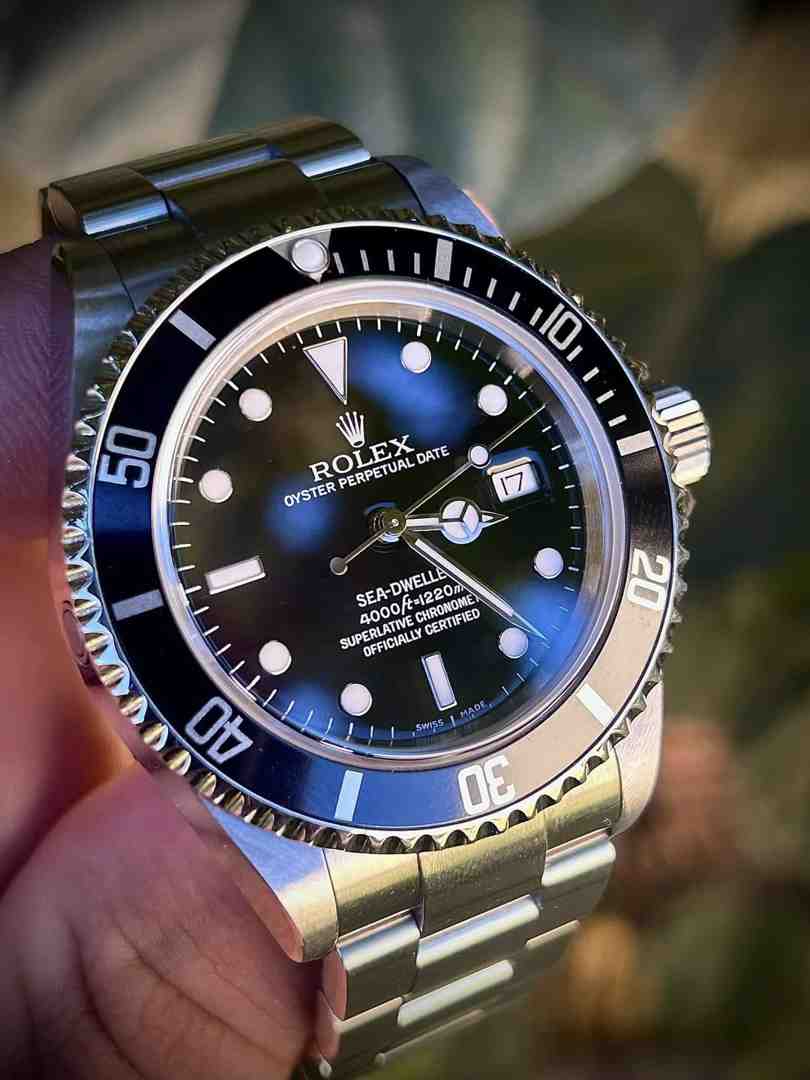
The undisputed leaders in value retention are Rolex, Patek Philippe, and Audemars Piguet. For those looking to invest in Rolex, steel sports models remain the gold standard of liquidity and demand. Across the secondary market, a significant percentage of Rolex and Audemars Piguet models continue to trade well above their official retail prices due to multi-year waitlists at authorised retailers.
To understand how these blue-chip models perform, let us look at some of the top-performing investment models and their historical secondary market markups:
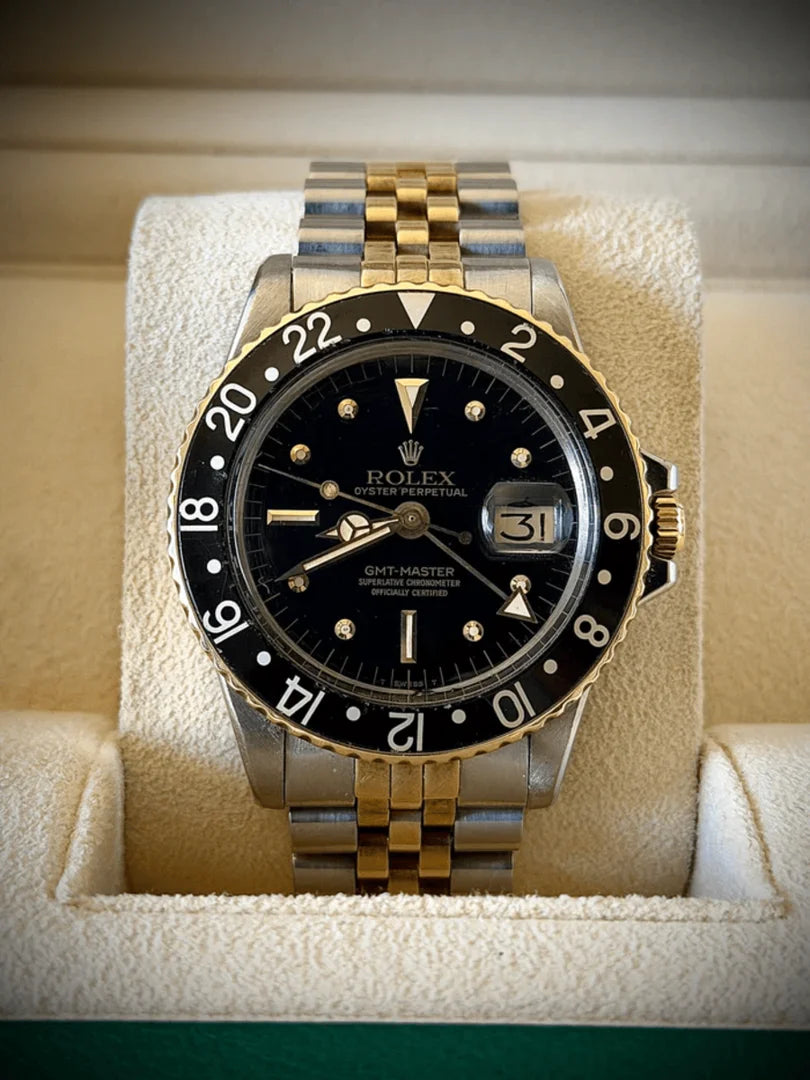
- Rolex Daytona and GMT-Master II: These stainless steel references routinely trade at premiums of 60% to 75% above retail on the secondary market.
- Patek Philippe Aquanaut (e.g., Ref. 5167A): This model has historically commanded markups exceeding 150% over its retail cost.
- Patek Philippe Nautilus (e.g., Ref. 5712/1R): This precious metal sports watch frequently trades at more than double its original retail price.
- Patek Philippe Cubitus (e.g., Ref. 5821/1A): Even newer releases in this family have quickly commanded secondary market premiums of over 170%.
- Audemars Piguet Royal Oak: Stainless steel variants of this iconic design consistently command strong double-digit premiums.
For local buyers, understanding the specific dynamics of the Australian market is essential. You can explore more on this topic in the guide on Are Rolex Watches a Good Investment in Australia?.
The Risks and Realities of the Secondary Market
While the potential returns can be impressive, we must be honest about the risks. Investing in luxury timepieces is not a guaranteed win, and treating watches like a standard bank account can lead to costly mistakes.
The first major risk is the liquidity trap. Unlike shares or digital assets, you cannot sell a luxury watch at the click of a button without taking a massive hit on the price. Finding a private buyer takes time, and selling through traditional routes often involves high transaction fees.
Furthermore, the secondary market is highly susceptible to price corrections. Buyers who purchased highly hyped models at the absolute peak of the market in 2022 have seen substantial declines in value. There is also the constant threat of sophisticated counterfeits and modified "franken-watches" circulating online, which can render a costly investment completely worthless if you buy from unverified private sellers.
To protect your capital, it is vital to understand the pros and cons of investing in high-end watches before committing significant funds.
Strategic Approaches to Buying and Selling
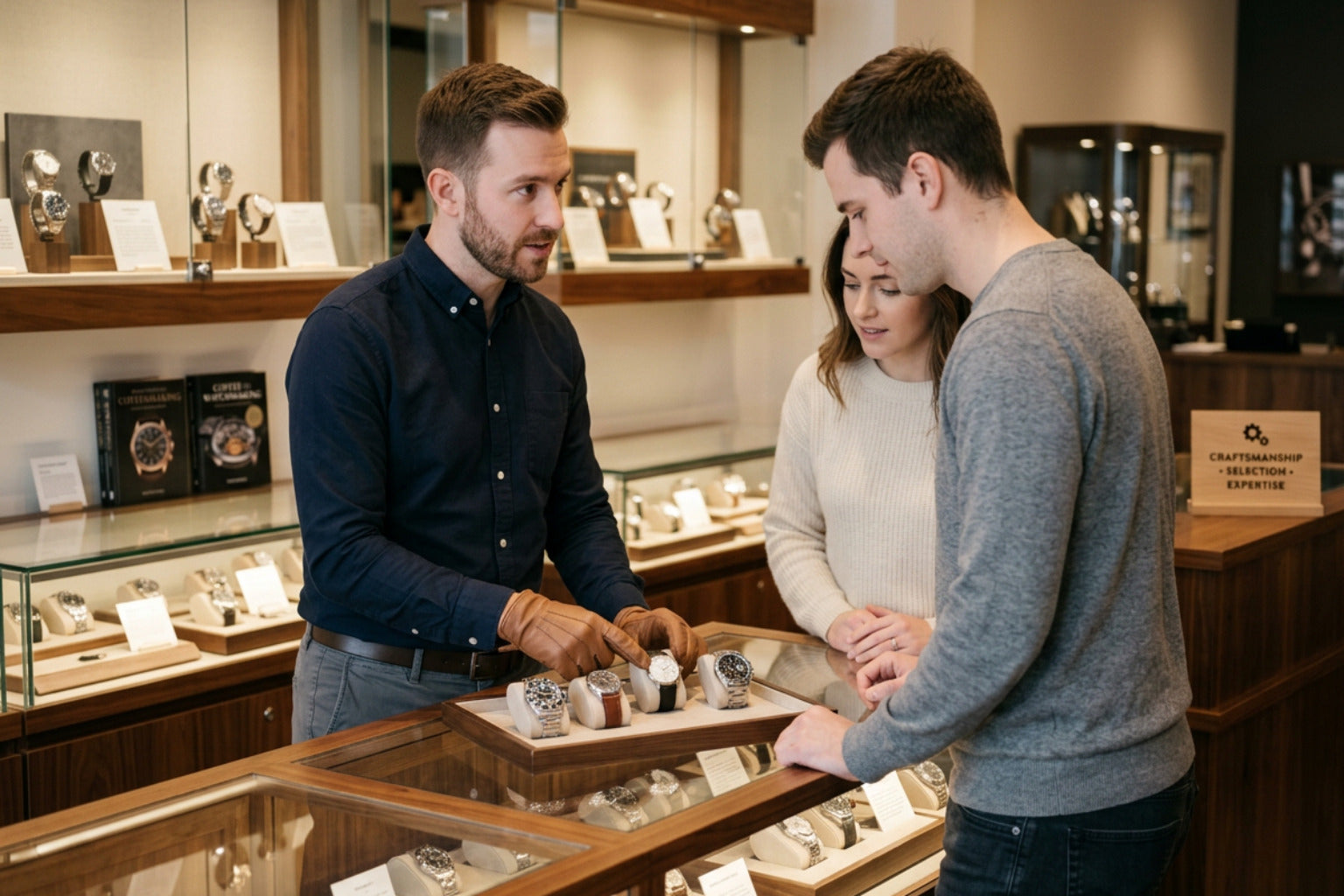
To succeed in watch investing, you need a clear strategy for both acquiring and exiting your assets. At WristWorks, we always advocate for a direct-to-dealer approach when it comes to selling. Trying to sell a high-value timepiece privately in Western Australia can be stressful, time-consuming, and potentially unsafe.
Selling directly to a trusted dealer like us provides immediate liquidity, complete security, and a fair market price based on real-time transaction data. While we do offer consignment as a secondary option for highly unique pieces, our outright purchase service remains the most efficient and secure way to realise your returns. To understand the complete process, our luxury watch investment guide details how to navigate these transactions safely.
How to Buy Watches as Investment Assets
If you are starting your investment journey, the first decision is whether to buy new or pre-owned. Buying pre-owned is often the smartest move because it allows you to bypass the initial retail depreciation that affects most standard models.
When searching for the best watches for investment, you must pay close attention to the "full set" rule. A watch with its original box, papers, and service records can command a premium of 15% to 30% over a watch without documentation. Additionally, case condition is paramount. For vintage pieces, an unpolished case with its original factory lines and minor wear is far more valuable to collectors than a watch that has been heavily polished to look brand new.
For those with a more modest starting budget, there are excellent entry-level options. Brands like Tudor offer exceptional heritage and build quality without the extreme premiums of the "Big Three." You can learn more about building a collection in the Best Men's Investment Watches: Guide for Australian Collectors or read our practical tips on how to buy watches as investments.
The Financial Case: Are Expensive Watches a Good Investment Compared to Traditional Assets?
How do luxury timepieces stack up against traditional wealth-building assets like stocks, real estate, or gold?
While shares offer dividends and real estate provides rental yields, watches are non-yielding assets. Their financial return relies entirely on capital appreciation driven by supply and demand. However, they serve as an exceptional hedge against inflation and offer a level of portability that property cannot match. They are also a highly effective way to diversify your portfolio, as their value is largely detached from daily stock market fluctuations.
To see how they compare, let us examine the typical characteristics of these asset classes:
| Asset Class | Average Long-Term Return | Liquidity | Ongoing Costs | Portability |
|---|---|---|---|---|
| Luxury Watches | Moderate to High (Select Models) | Low to Medium | Low (Servicing, Insurance) | High |
| Global Stocks | Consistent Moderate Growth | High | Extremely Low | Digital |
| Real Estate | Steady Long-Term Growth | Low | High (Rates, Maintenance) | None |
| Gold | Stable Inflation Hedge | High | Low (Storage) | Medium |
For a broader perspective on how alternative assets fit into modern wealth management, you can read about why people invest in watches, or explore how timeless luxury investments are giving over 35% returns.
Maximising Resale Value: Why Expensive Watches Are a Good Investment When Maintained Properly
Owning an investment watch is an active responsibility. To protect your luxury watch resale value, you must treat preservation as part of your investment strategy.
First, maintain proper servicing intervals. Modern mechanical watches should be serviced every five to ten years by authorised service centres, and all documentation of these services must be kept.
Second, store your timepieces in a climate-controlled, secure environment to prevent moisture damage or dust intrusion.
When it comes to aesthetic care, follow strict guidelines. While minor polishing is perfectly acceptable to restore the lustre of modern watches, you should generally avoid polishing vintage pieces, as removing metal from the lugs and case can permanently damage their value and appeal to serious collectors.
At WristWorks, we specialise in helping Australian collectors navigate the pre-owned market with absolute transparency and zero fuss. Whether you are looking to add a historically stable piece to your collection or want to sell a luxury watch directly to a trusted specialist, we are here to help.
To take the next step in your collecting journey, secure your next timepiece or request a valuation with our team in Perth today.