
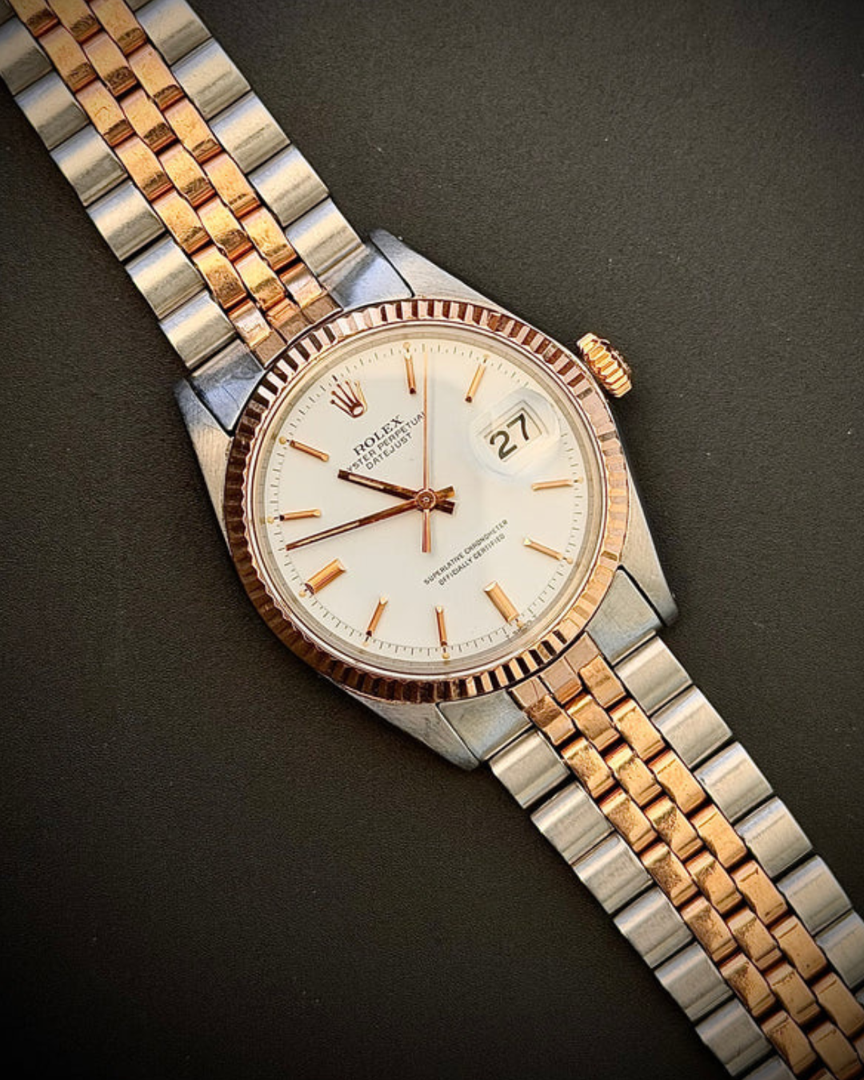
What Defines a Good Investment Watch Today
Key Pillars of a Vintage Watch Investment
Authentic vintage watches are more than timekeepers—they’re wearable pieces of history that you can enjoy every day. This guide explains how to assess, buy, and sell authentic vintage watches online, comparing a DIY approach with the benefits of using a trusted dealer like WristWorks. We focus on authenticity, quality, and customer satisfaction, with practical advice grounded in current market realities.
What makes an authentic vintage watch a sound investment:
- Authenticity – All original components, correct movement, and model‑appropriate serials
- Brand prestige – Rolex, Patek Philippe, Omega, and Audemars Piguet remain core pillars
- Condition – Sharp case edges, original dial and hands, minimal or period‑correct restoration
- Provenance – Box, papers, and service documentation support trust and value
- Rarity – Limited production runs or unusual dial variants
- Market timing – Awareness of current trends and collector demand, which can shift
The market includes wonderful originals—but also refinished pieces, “Frankenwatches,” and outright fakes. Buying well requires patience, research, and a trusted source that guarantees authenticity.
What Makes a Watch ‘Vintage’ and Valuable?
A watch is generally considered vintage at 20–30 years old, with many collectors focusing on pieces from the mid‑20th century up to the 1990s. Age alone doesn’t create value. A valuable vintage watch balances brand, condition, originality, and documented history.
- Brand prestige: Iconic names consistently hold interest. See manufacturers such as Rolex and Patek Philippe for model histories and references. Omega and Audemars Piguet are likewise central to the vintage market.
- Rarity: Limited production and unusual dials or configurations can drive demand, but rarity must be matched with desirability and condition.
- Historical significance: Models linked to real‑world achievements carry enduring appeal like the Omega Speedmaster’s role in the Apollo missions.
- Desirable models: Certain references—Rolex Submariner (e.g., ref. 14060), Rolex Daytona, Patek Philippe Calatrava, Nautilus, and Audemars Piguet Royal Oak—often feature in collectors’ shortlists.
- Market demand: Demand ebbs and flows across brands, references, and dial variants. A steady, research‑led approach beats trying to “time” every hype cycle.
The Critical Role of Authenticity in Vintage Watches
In vintage, authenticity is paramount. A watch’s value is tightly linked to originality, and the market includes counterfeits and pieces assembled from mismatched parts.
What we verify:
- Original components: Dial, hands, bezel, and movement correct for the reference and era. A repainted or incorrectly relumed dial can significantly reduce value.
- Movement verification: The movement must be correct for the reference. Where possible, serials and reference ranges are cross‑checked against manufacturer records and period‑correct examples.
- Patina vs damage: Honest ageing is welcomed by many collectors; active corrosion, water ingress, or poor restoration are not.
At WristWorks, all watches are authenticated in-house and authenticity is guaranteed. We don't issue physical certificates, and we're happy to recommend third-party authenticators on request. Explore our collection of authenticated pieces here.
Condition, Provenance, and Servicing: Preserving Value
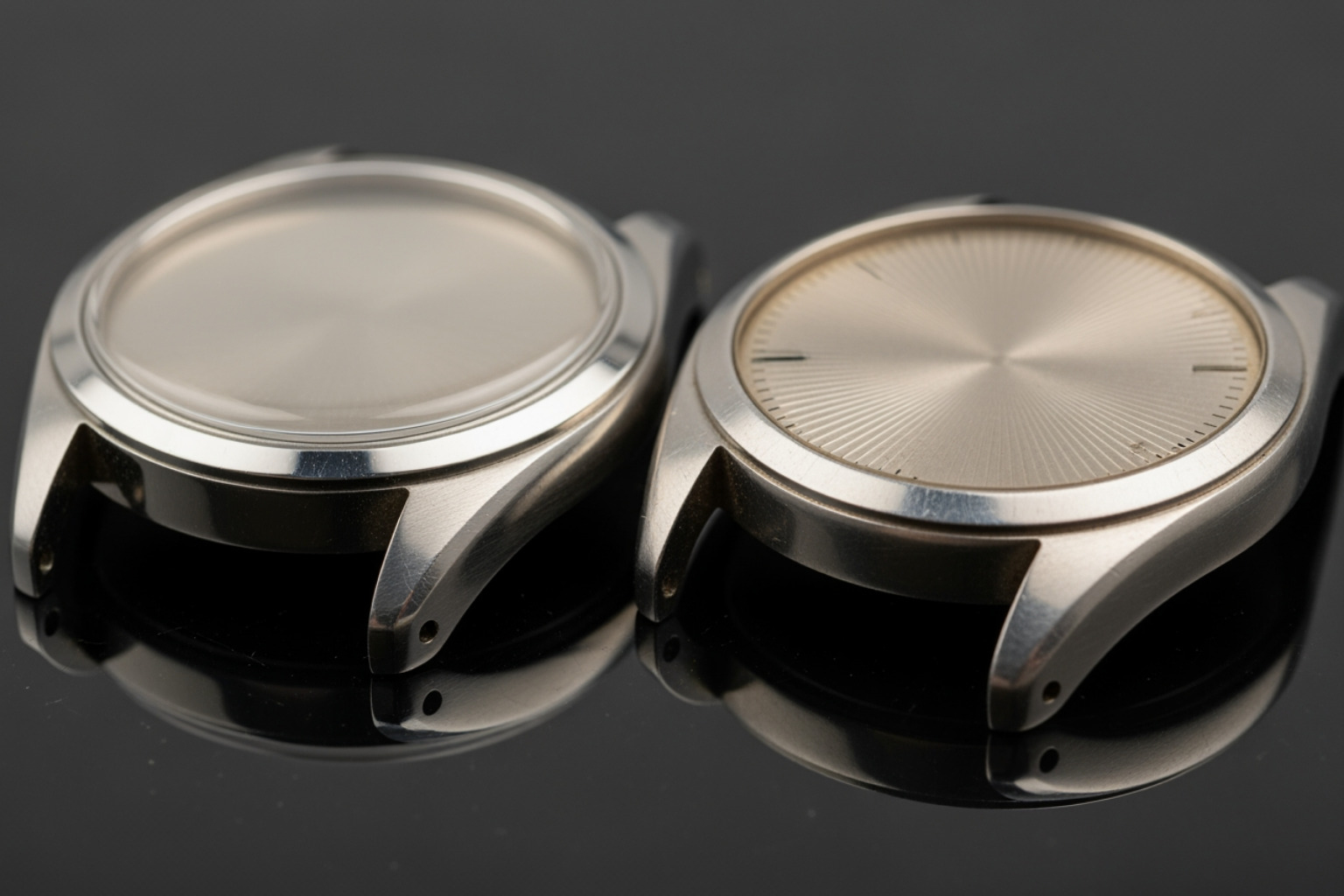
- Case condition: Crisp edges and original lines are highly desirable. Polishing is acceptable for many modern watches when done sympathetically; for vintage pieces, it’s generally avoided because it softens original geometry.
- Dial preservation: Original dials with honest, stable patina are preferred over repainted or heavily relumed examples.
- Box and papers: Original accessories can strengthen provenance and buyer confidence.
- Service history: Records from reputable watchmakers support value and reliability. While we don’t service in‑house, we can recommend trusted third‑party specialists in Perth and across Australia who understand vintage.
DIY vs Dealer: How to Buy and Sell Authentic Vintage Watches Online
Buying and selling vintage watches online is easier than ever—but it’s also where most pitfalls occur. Here’s a practical comparison of the DIY approach versus using WristWorks.
For Sellers
DIY route:
- Research pricing and recent sales, photograph your watch clearly, and create listings across marketplaces.
- Field enquiries, negotiate, and screen for scams or time‑wasters.
- Manage shipping, insurance, and dispute risk yourself.
- Authenticate the watch and disclose any issues; buyers will expect transparency and may request returns if claims don’t match.
With WristWorks (recommended):
- Direct‑to‑dealer sale is our primary, streamlined service. We provide instant quotes and guaranteed authentication, letting you skip marketplace uncertainty.
- 95% of our inventory is owned by WristWorks; consignment is a useful secondary option when it suits your goals.
- If you choose consignment, your watch is held and authenticated by us, and payments are made directly to WristWorks—there are no limitations on how we handle consigned pieces.
- You gain the benefits of our in‑house expertise, market knowledge, and buyer network, without the legwork.
Start a valuation or sale conversation here.
For buyers
DIY route:
- Research references, serial ranges, and period‑correct components. Verify seller reputation and return policies.
- Budget for authentication and potential service; request movement photos and consider an independent assessment.
- Accept the risk of discovering undisclosed restoration or parts later, which can affect value.
With WristWorks:
- Every watch is authenticated in‑house and sold with a clear description of originality and condition.
- We can recommend third‑party authentication or servicing if you’d like an additional layer of assurance.
- Our online‑first model focuses on transparency and fair, market‑aligned pricing for Australia‑based buyers and sellers.
Browse authenticated pieces here.
Practical tips: getting the “authentic” part right
- Match the story to the evidence: If box and papers are present, confirm they align with the reference, serial range, and era.
- Study correct parts: Hands, bezels, crowns, and bracelets often change over decades. Period‑correct components usually carry a premium.
- Learn the reference nuances: For example, the Rolex Submariner ref. 14060 (a classic, pre‑ceramic, no‑date model) differs materially from the later ref. 114060 (ceramic bezel, modern case and bracelet) in design details and collector appeal. Knowing the difference helps you price and evaluate accurately.
- Plan for service and wear: Vintage watches are robust, but they’re older machines. Agree a service plan with a specialist, and set realistic expectations about water resistance and daily wear.
Selling directly to a dealer vs marketplaces: when each makes sense
- Direct sale to WristWorks: Best for speed, simplicity, and certainty. You receive an instant quote, the watch is authenticated by us, and you avoid listing fees, shipping disputes, and prolonged negotiations.
- Consignment with WristWorks: A good secondary option when you want to target a specific price and are comfortable waiting. Your watch is held and authenticated by us, presented to the right audience, and payments are handled directly by WristWorks.
- Marketplaces (DIY): Can work if you have time, strong reference knowledge, and comfort with risk management. Factor in fees, fraud prevention, and the possibility of post‑sale disputes if a buyer challenges originality or condition.
Whether you’re selling or buying, our team can help you navigate each step with clarity and options that match your priorities.
Final Thoughts: Is a Vintage Watch the Right Investment for You?
Choosing an authentic vintage watch is about more than chasing returns—it’s about owning a piece of design and engineering that has already stood the test of time. The best outcomes happen when you focus on four pillars: authenticity, condition, provenance, and market‑aware selection. Demand can change across references and brands, so a measured, research‑led approach is wiser than chasing every spike in hype.
At WristWorks, we keep things simple and transparent. All watches are authenticated in‑house, and authenticity is guaranteed. We own about 95% of our inventory; consignment remains a useful secondary service if it’s the right fit for your goals. When you consign with us, we hold and authenticate the piece, and payments are made directly to WristWorks—no exceptions or limitations.
If you’re selling, we recommend a direct sale to a dealer for speed, security, and certainty. Our instant quotes and guaranteed authentication let you skip the uncertainty of marketplaces. If targeting a specific price and timeline, consignment is a practical alternative.
If you’re buying, our online‑first model focuses on expertise, security, and convenience. We’re also happy to recommend third‑party authentication or servicing when you’d like an extra layer of assurance.
Frequently Asked Questions
Q: How do you guarantee the authenticity of your vintage watches?
A: Every watch is authenticated in‑house by our team, and authenticity is guaranteed. If you’d like an additional layer of assurance, we can recommend trusted third‑party authenticators.
Q: What payment options are available when buying or selling through WristWorks?
A: We offer secure, bank‑based payment methods and will confirm available options for your specific transaction. Please contact our team for details.
Do you offer consignment or trade-ins?
A: Yes. We primarily purchase watches outright for speed and certainty. Consignment is a useful secondary option when it suits your goals—your watch is held and authenticated by WristWorks, and payments are made directly to our business. We may consider trade‑ins on a case‑by‑case basis; please reach out to discuss your watch and preferences.
Q: Does WristWorks offer servicing for vintage watches?
A: We don’t service watches in‑house. However, we can recommend trusted third‑party watchmakers who specialise in vintage pieces and understand their unique requirements.


