A Practical Guide to Rolex Investment Watch Potential
Investing in a Rolex Watch in Australia
If you are looking at a Rolex investment watch, the safest starting point is not hype or guesswork. It is understanding which references stay liquid in Australia, what condition and paperwork really mean, and how much transaction friction can affect your final result.
Key Takeaways
- A Rolex investment watch should be judged by reference-level demand, condition, completeness, and realistic resale options.
- Stainless-steel professional models such as the Daytona 126500LN, GMT-Master II 126710BLRO, and Submariner Date 126610LV have historically shown stronger secondary market support than standard production models.
- Pre-owned buying gives Australian collectors a clearer view of current market value than waiting for uncertain authorised-dealer allocation.
- Direct-to-dealer or outright selling is usually the most practical exit path because it reduces delays, security concerns, and negotiation risk.
- Watches can preserve value, but they do not produce income, so they should sit within a measured long-term strategy rather than replace traditional investments.
Choosing a Rolex Investment Watch in the Australian Secondary Market
A Rolex investment watch relies on enduring collector demand, controlled production, and worldwide liquidity. In practical terms, that means some references are much easier to buy, hold, and resell than others. The strongest candidates are usually stainless-steel professional sports models with deep buyer demand, recognisable designs, and a long record of secondary market interest.
For Australian buyers, the pre-owned market is often the most transparent place to start. It lets you compare current asking prices, condition, completeness, and dealer spreads before committing capital. It also avoids the uncertainty of authorised-dealer allocation, where access to the most desirable references can be limited and timing is rarely predictable.
Examining the case for investing in pre-owned watches explains why secondary market buying can give collectors a clearer valuation baseline than relying on retail pricing alone.
References That Tend to Hold Stronger Demand
Historically, stainless-steel sports models have shown the strongest retention and appreciation characteristics across the Rolex catalogue. Three references are especially worth understanding before you buy:
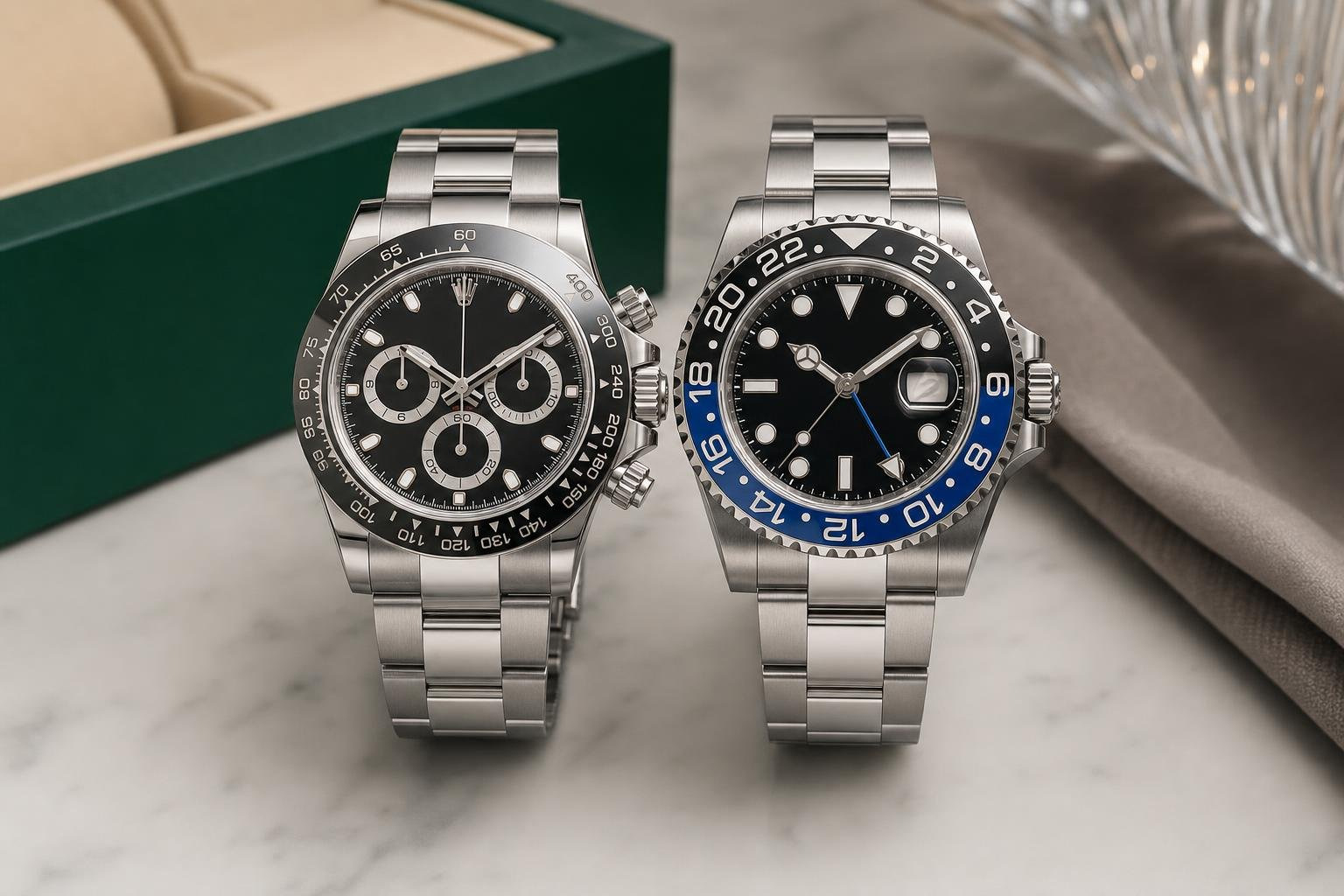
- Cosmograph Daytona 126500LN: The stainless-steel Daytona is one of the most closely watched modern Rolex references. Its racing heritage, Cerachrom ceramic bezel, and limited availability have helped it maintain a meaningful premium on the secondary market. You can review the official Rolex Cosmograph Daytona 126500LN specification for the exact model details.
- GMT-Master II 126710BLRO: The steel "Pepsi" GMT-Master II, with its red-and-blue Cerachrom bezel, remains highly recognisable and consistently sought after. Its appeal is broad because it suits both regular wear and collecting.
- Submariner Date 126610LV: The green-bezel Submariner Date continues the collector interest built by earlier green Submariner references. Its 41mm case and calibre 3235 movement make it a strong modern option for buyers who want a wearable watch with established demand.
That does not mean every Rolex will rise in value. Smooth-bezel Datejust 41 126300 models, the Air-King 126900, and standard-dial Oyster Perpetual 41 124300 examples can still be excellent watches, but they generally do not carry the same secondary market premiums as the most in-demand professional references.
Our Rolex value retention guide 2026 looks more closely at how these models behave across multi-year holding periods.
Building a Practical Exit Strategy Before You Buy
Before buying any watch as a long-term store of value, think about how you would sell it later. Direct-to-dealer or outright sale is usually the primary route for Australian collectors who want speed, privacy, secure handling, and a straightforward valuation process. Private selling, online marketplaces, and auctions can be useful comparison points, but they often introduce more admin, uncertainty, and security risk.
Luxury watches should generally make up only a modest part of a broader portfolio. A 2% to 5% allocation is a sensible guide for many collectors because it lets you enjoy the watch without tying too much capital to a non-yielding asset. Unlike shares or property income, a watch does not pay dividends, rent, or interest. Any financial result depends on purchase price, condition, market timing, and the spread between buying and selling.
Condition, Paperwork, and Real Resale Value
The details matter. A complete set, including the original box, instruction manuals, hang tags, and guarantee paperwork, usually attracts stronger buyer interest than a watch sold on its own. Missing collateral can reduce resale value, especially for modern references where buyers expect the full package.
Case condition is just as important. For modern watches, light professional polishing during routine servicing can be acceptable when it is done carefully. For vintage pieces, heavy polishing is usually a concern because it can soften factory bevels, thin the lugs, and permanently change the original shape of the case.
A simple pre-purchase checklist helps keep the decision grounded: confirm the exact reference number, compare recent Australian market asking prices with likely selling levels, inspect bracelet stretch and clasp condition, and review service history where available. The guide to buying Rolex covers these checks in more detail.
Managing Spreads, Verification, and Dealer Choice
Transaction friction is one of the easiest costs to underestimate. Dealer margins, logistics, insurance, and timing can create a meaningful gap between what you pay to buy and what you receive when selling. That gap needs to be considered before treating any watch as a profitable investment.
This is where choosing the right dealer matters. At WristWorks, 95% of inventory is owned directly, all consigned pieces are held by WristWorks, and payments are handled directly through the business. Every incoming timepiece goes through mechanical testing, serial checks, calibre examination under magnification, and timing analysis before it is offered for sale.
For buyers and sellers in Australia, the aim is not to chase every short-term price movement. A better approach is to buy carefully, keep records organised, protect the watch from unnecessary wear, and understand your likely exit pathway from the beginning.
Selling or Valuing a Rolex with WristWorks
If you are weighing up a Rolex investment watch, start with the practical questions: is the reference genuinely liquid, is the condition strong, are the records complete, and is there a clear way to sell when the time comes? That approach will usually serve you better than chasing a model simply because it is getting attention online.
Explore WristWorks' curated collection of luxury timepieces to compare verified inventory, or submit an enquiry if you would like an outright valuation for your watch.