Protect Your Collection by Anticipating Luxury Watch Trends
Luxury Watch Trends in 2026: What Matters for Australian Buyers
Luxury watch trends in 2026 are less about chasing noise and more about choosing watches that feel right on the wrist, suit real daily use, and hold their place in a well-considered collection.
Key Takeaways
- Smaller, slimmer cases are leading current demand, especially in the 36mm to 39mm range.
- Textured dials, refined colours, titanium cases, and integrated bracelets are shaping modern collector preferences.
- Australian buyers are paying closer attention to condition, service history, complete paperwork, and clear provenance.
- Direct-to-dealer outright selling remains the simplest and most secure path when it is time to move a watch on.
- Consignment can still help in selected cases, but it should sit behind a clear outright-sale option.
For Australian collectors, the best approach is practical. Start with the watch you will actually enjoy wearing, then look carefully at reference details, case condition, bracelet stretch, service records, and paperwork before thinking about resale value. A watch that suits your lifestyle and has been properly documented will usually be easier to buy, own, sell, or trade later.
I’m Brad Purdy, founder of WristWorks. From Perth, Western Australia, we work with collectors who want a direct, transparent way to buy, sell, and trade quality pre-owned watches. The shift I see most clearly is that buyers now ask better questions. They want to understand case preservation, model details, market demand, and the safest way to deal with a watch without taking on unnecessary private-sale risk.
If you are still getting familiar with the market, start with our guide to Buying Used Watches and our overview of Watch Consignment in Australia.
The Luxury Watch Trends Shaping Australian Collections
The luxury watch market has settled into a more measured phase. After the sharp price swings of the early 2020s, buyers are less interested in hype and more interested in watches with lasting design, reliable movements, clear records, and genuine wearability.
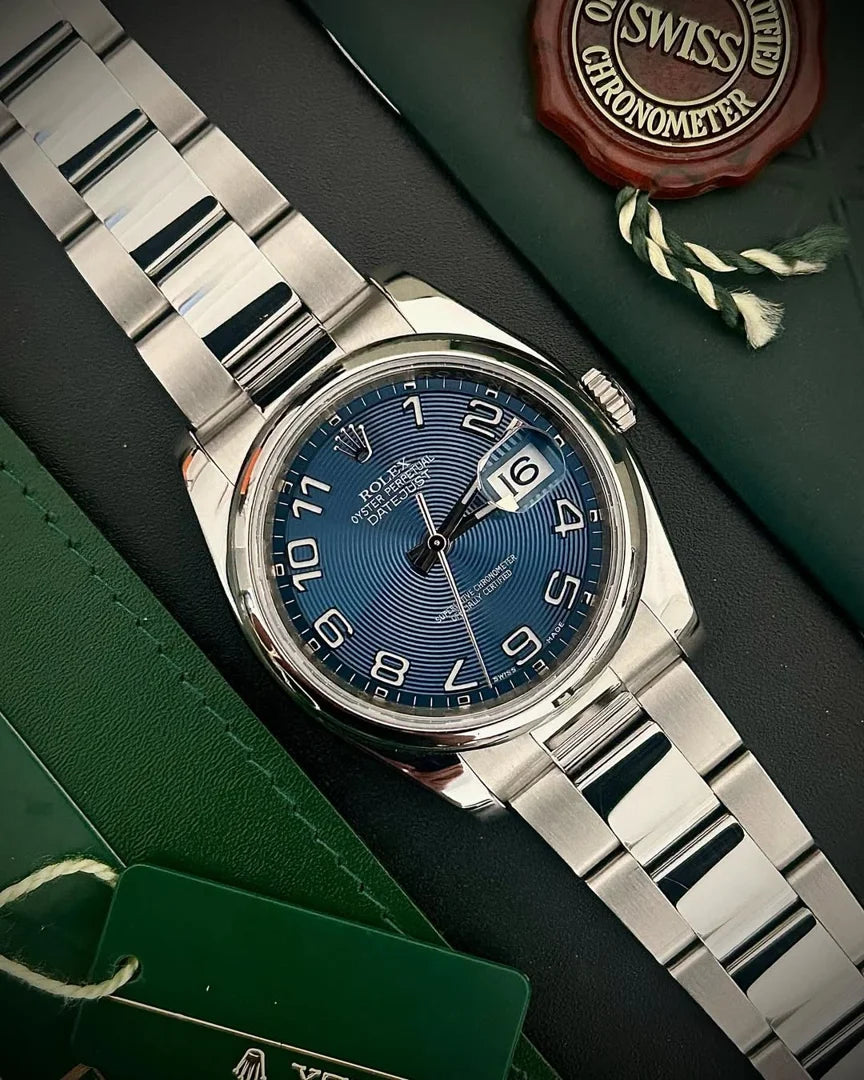
Modern collectors are leaning towards balanced proportions, slimmer cases, and materials that make sense for everyday use. That is why smaller sports watches, refined dress pieces, and lightweight titanium models are getting so much attention.
Smaller Cases and Cleaner Design
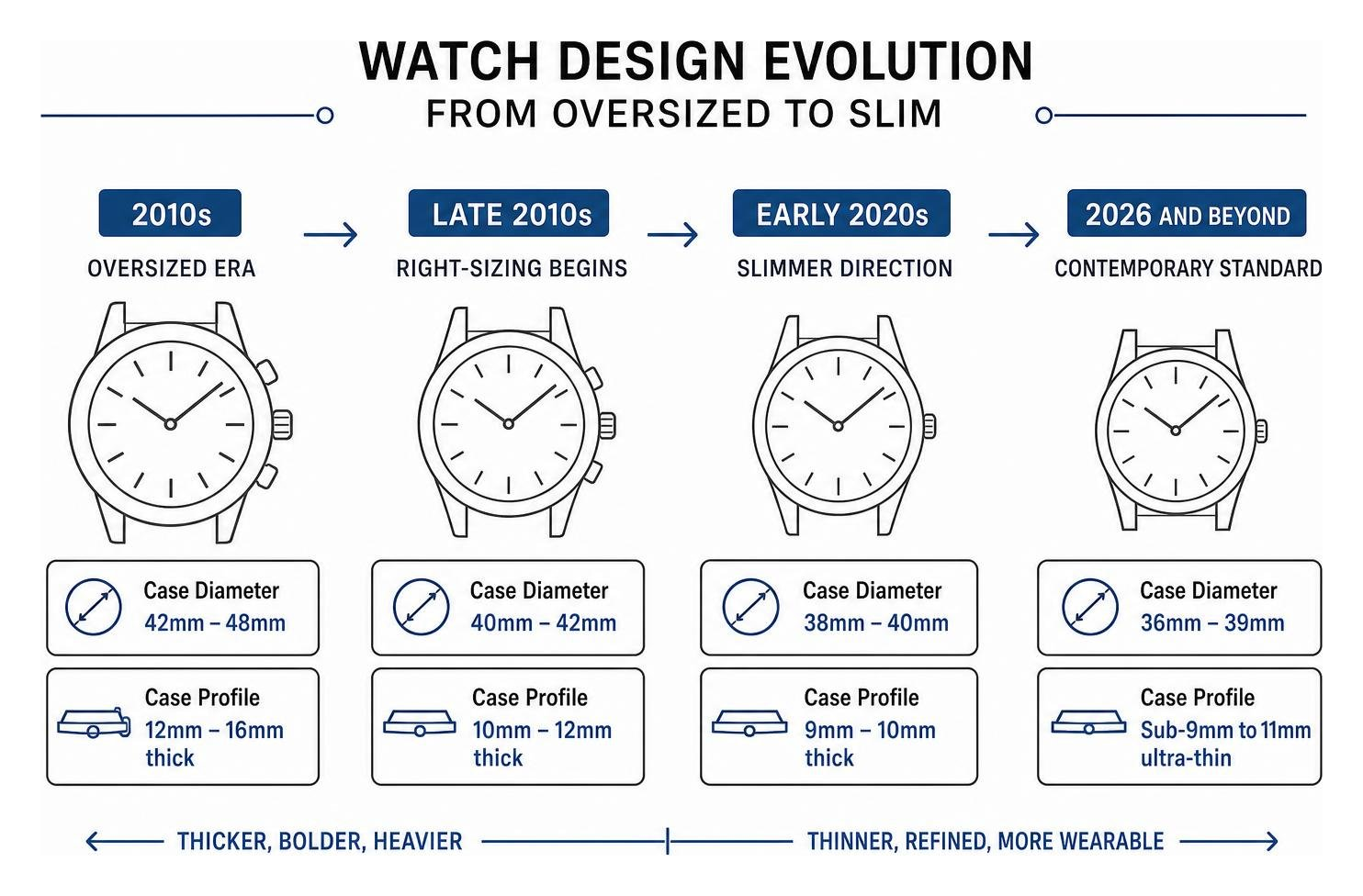
The oversized look has lost ground. Many buyers now prefer watches in the 36mm to 39mm range because they sit comfortably, slide under a cuff, and suit more wrist sizes. Ultra-thin case profiles also matter, especially when a watch is expected to move easily between work, travel, and weekends.
| Design Attribute | Oversized Era | 2026 Contemporary Standard |
|---|---|---|
| Case Diameter | 42mm to 48mm | 36mm to 39mm |
| Case Profile | 12mm to 16mm thick | Sub-9mm to 11mm ultra-thin |
| Bracelet Integration | Standard lugs and visible strap gaps | Seamless integrated architecture |
| Dial Aesthetic | High-contrast black or white | Textured, salmon, green, blue, and soft pastel finishes |
| Case Materials | Heavier stainless steel | Grade 5 titanium and ceramic composites |
You can see this in watches such as the Tudor Black Bay 54 Ref. M79000N-0001, which brings vintage-inspired dive-watch proportions into a compact 37mm case. Integrated-bracelet sports watches also remain popular because they distribute weight evenly and feel secure without looking oversized.
According to export statistics from the Federation Of The Swiss Watch Industry, higher-value Swiss watch segments continue to show resilience. For buyers, that reinforces an important point: the strongest demand is still attached to mechanical quality, recognisable references, and thoughtful construction.
Materials, Dials, and Everyday Comfort
Grade 5 titanium has moved well beyond specialist tool watches. It is light, strong, corrosion-resistant, and now appears in watches finished to a very high standard. For Australian buyers who want a watch that can handle regular wear without feeling heavy in the heat, that lighter case material can be a real advantage.
The Grand Seiko Evolution 9 Ushio Diver Ref. SLGA023 is a good example, pairing a 40.8mm high-intensity titanium case with the Spring Drive Calibre 9RA5. It shows how modern materials can improve comfort without making the watch feel less refined.
Dial work is also becoming a bigger part of the buying decision. Flat, plain dials have given way to more character and texture:
- Hand-guilloché work: wave patterns, Clous de Paris, and geometric engine-turned designs that catch light from different angles.
- Refined colour palettes: salmon, olive green, ice blue, and rich sunburst finishes, including the IWC Pilot's Watch Mark XX Ref. IW328203.
- Stone and meteorite dials: natural patterns that make each individual piece feel distinct.
Care still needs to match the age of the watch. Modern production watches can often be sympathetically polished during servicing to restore factory finishing. Vintage watches are different: collectors generally avoid polishing them because original bevels, edges, and case definition carry a large part of the value.
If you want to understand why these details matter commercially, our guide to The New Math Of Luxury Watch Value explains how condition, materials, and demand work together.
Who Is Buying Luxury Watches Now?
The Australian collector base is broader than it used to be. Younger buyers are entering the market with more research behind them, and more women are choosing serious mechanical watches rather than limiting themselves to jewellery-style quartz pieces.
Shaped cases are part of that shift. The yellow gold Cartier Baignoire Ref. WGBA0007 and the Longines DolceVita Ref. L5.512.4.71.7 offer a different look from traditional round sports watches while still carrying strong design heritage. Motorsports, film, and celebrity visibility also keep mechanical chronographs in the conversation, but the better buyers still come back to fit, condition, and reference strength rather than fame alone.
What These Trends Mean When You Buy, Sell, or Trade
The practical question is simple: how do these trends affect the watch in front of you? In Australia, the answer usually comes down to condition, documentation, pricing clarity, and whether the transaction path protects you from avoidable risk.
Value Retention and the Secondary Market
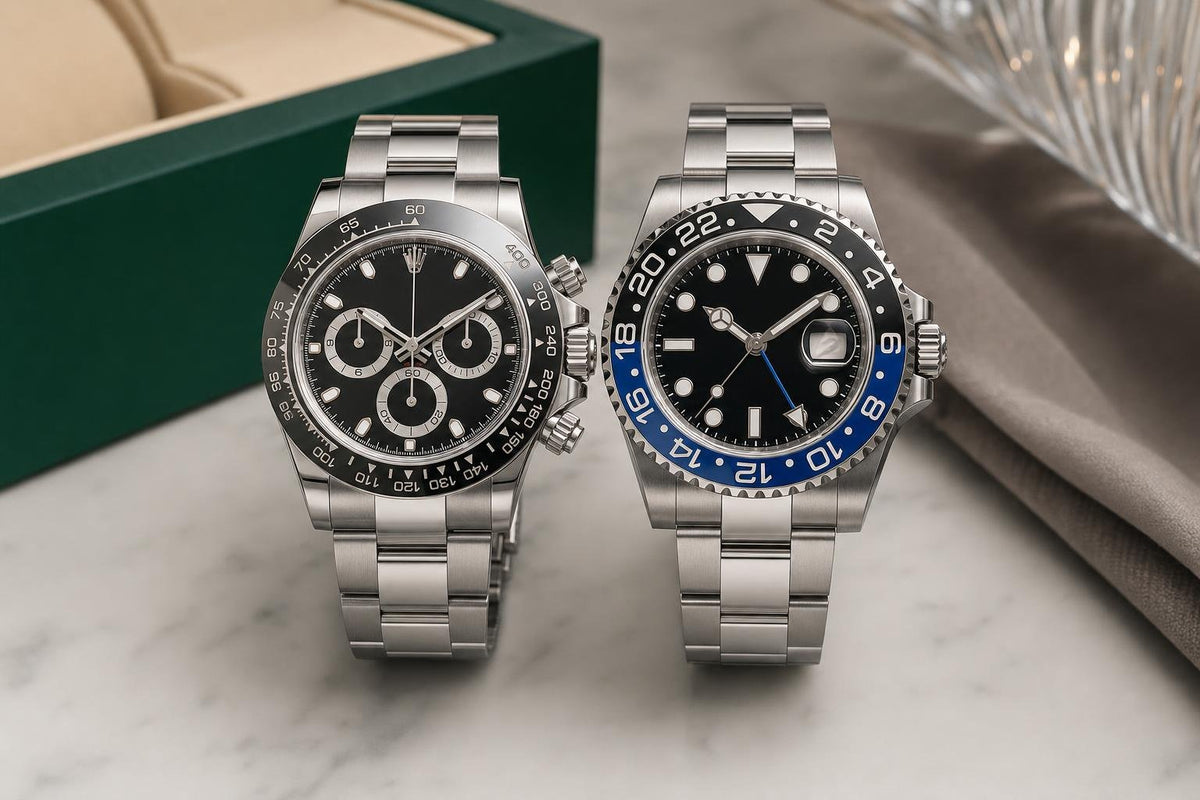
The secondary market is more selective now. Well-known references from established makers still move well, but buyers are more careful about overpaying for condition issues, missing paperwork, or vague service history. Rolex Submariner Date Ref. 126610LN remains a strong example of a highly liquid modern reference, while more specialised pieces need a buyer who understands their place in the market.
Interest in independent watchmakers also remains strong among collectors who want distinctive movements and smaller production numbers. F.P. Journe Chronomètre Souverain Ref. CS RG 40 A is one example of a watch that attracts attention for its movement architecture and collector following rather than broad mainstream familiarity.
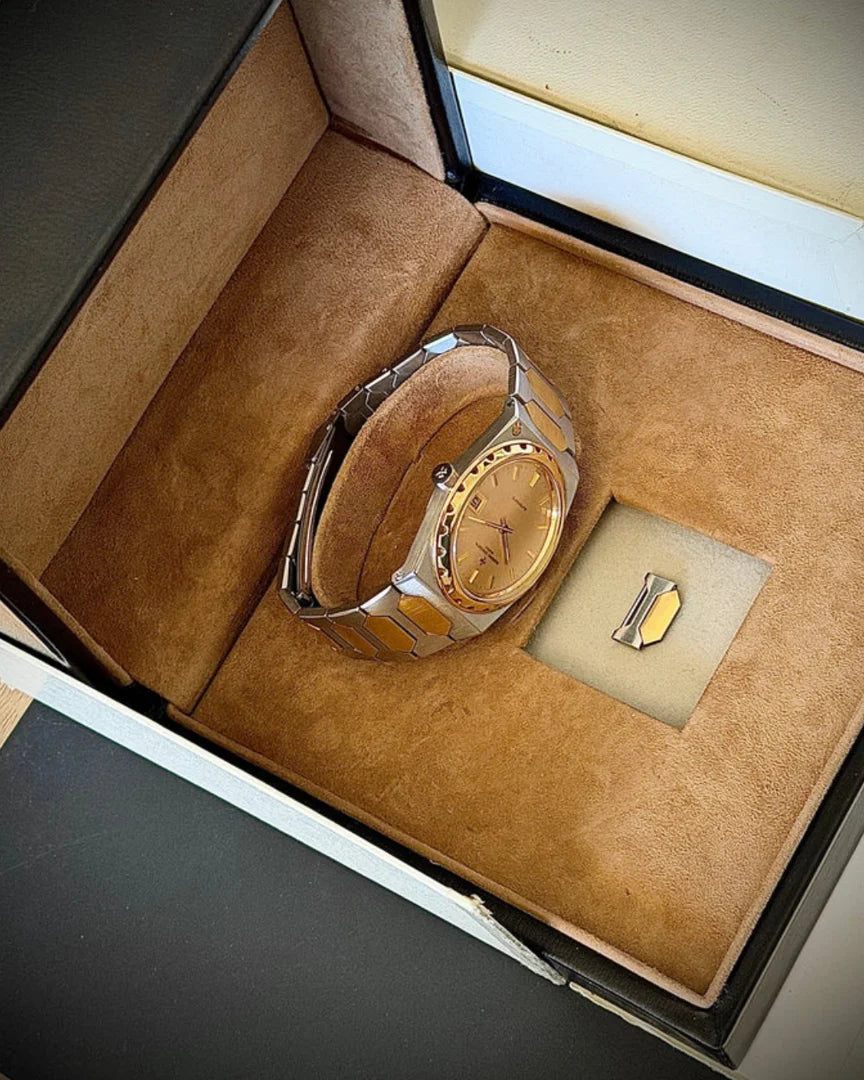
For collectors planning a purchase, complete presentation sets matter. Boxes, stamped paperwork, service records, and clear ownership history can all reduce friction when you decide to sell or trade later.
Selling in Australia Without Unnecessary Risk
Private selling can look simple at first, but it often introduces problems that are easy to underestimate. Online marketplaces, public auction houses, and peer-to-peer listings can involve non-paying buyers, disputed payments, shipping concerns, unclear timelines, and commission fees. For most sellers, those risks make a direct-to-dealer outright sale the cleaner option.
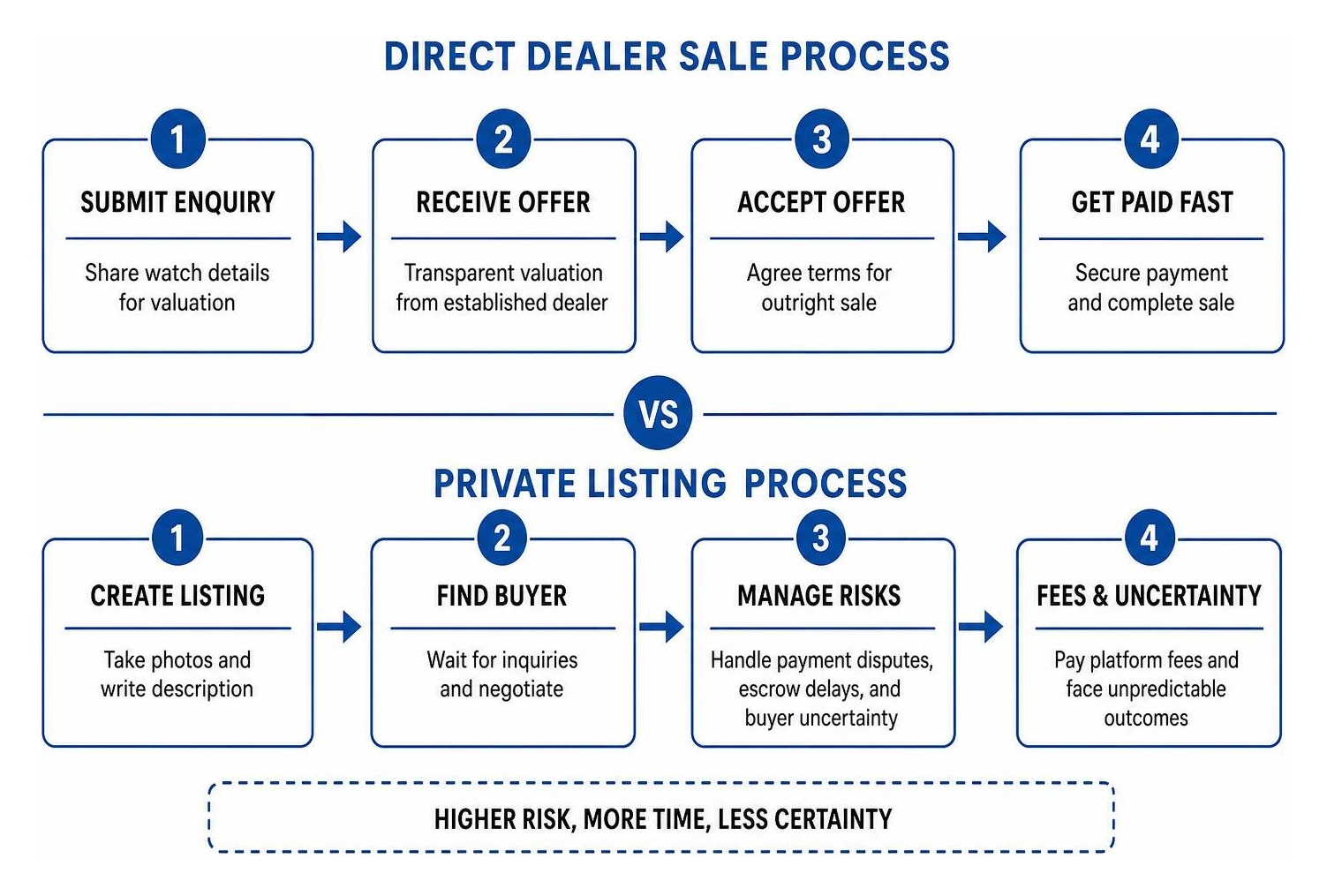
WristWorks operates from Perth as an online-first Australian watch business built around direct dealer accountability. Our primary focus is buying watches outright, which gives sellers a clear price, a simple process, and a secure transaction. Around 95% of our inventory is owned directly by WristWorks. Consignment is available as a secondary option when it suits the watch and the seller, but consigned pieces are held securely by WristWorks and payments are handled directly through our platform.
That structure matters because trends only tell part of the story. A desirable reference still needs the right presentation, condition, and selling method. The safest outcome usually comes from pairing market knowledge with a transaction path that is clear from the beginning.
A Practical Next Step for Australian Collectors
If you are weighing up whether to buy, hold, sell, or trade, start with the basics: reference accuracy, condition, paperwork, service history, and realistic current demand. Those details will tell you more than short-term attention around any single model.
When you are ready to discuss your watch, submit a Watch Enquiry to WristWorks for a clear, professional conversation about its current market position and the most suitable selling path.