Trading Up and Finding the Best Place to Trade Your Gear
Why Finding the Best Place to Trade Matters More Than Ever
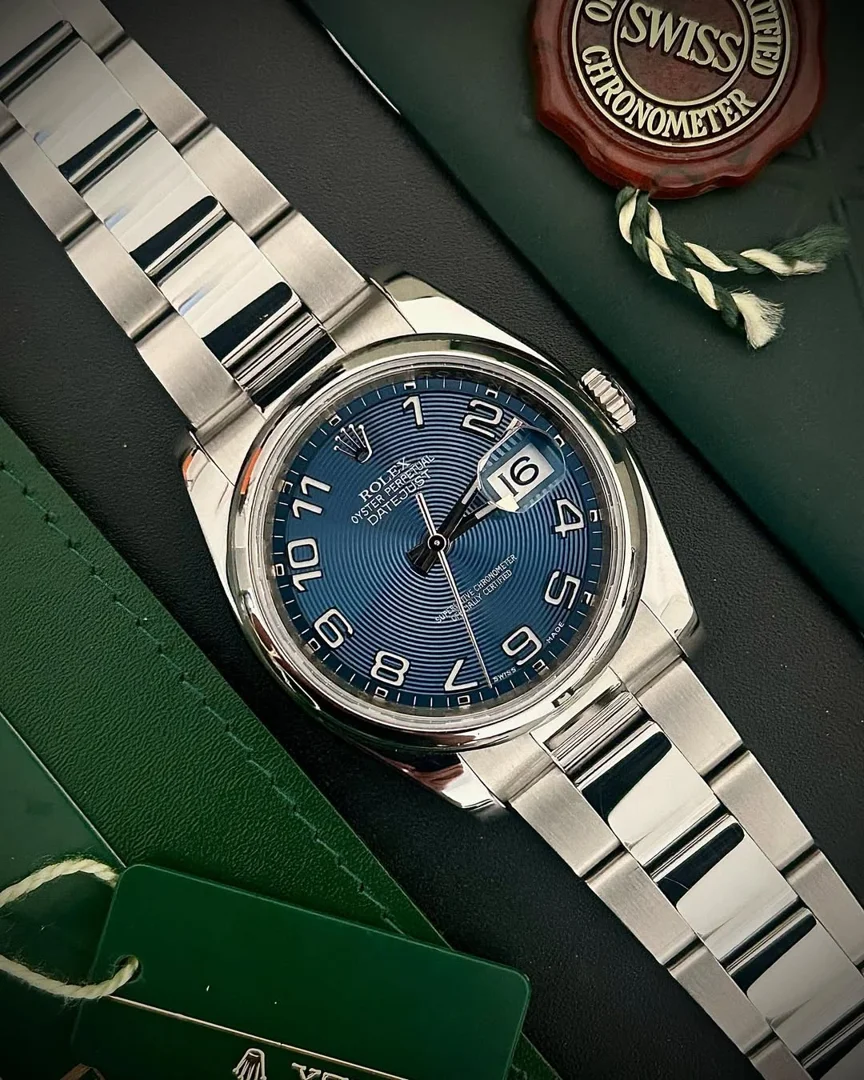
The best place to trade a luxury watch in Australia should make the process feel clear from the start: a fair valuation, a secure handover, and no guesswork about what happens next.
If you are weighing up whether to sell directly, consider consignment, or list a watch yourself, this guide will help you understand which route gives you the safest and most practical outcome.
Key Takeaways
- A direct-to-dealer sale is usually the clearest and most efficient option because you deal with one professional buyer from valuation through to settlement.
- Consignment can suit some sellers, but it is best treated as a secondary option if you are comfortable waiting longer for a possible sale.
- Private listings may look appealing at first, but they usually involve more time, more questions, and more risk than most collectors want to manage.
- For Australian collectors, the best trading experience comes from transparent pricing, insured logistics, and direct communication.
- Preparing your watch with accurate details, clear photographs, and any original box or papers can help you receive a more useful valuation.
For most Australian collectors, selling directly to a reputable dealer offers the clearest, safest, and most efficient experience. This outright sale method remains our primary service, helping you avoid the long waiting periods that can come with secondary options like consignment.
The luxury watch market in Australia has grown significantly in recent years. During and after the COVID period, demand for pre-owned timepieces increased, yet the number of trustworthy, transparent trading options remained limited, especially online.
For someone who has spent weeks researching before making a decision, that gap can be frustrating. Private marketplaces, overseas platforms, and boutique trade-ins rarely offer the same combination of fair value, clear process, and local accountability.
That is what this guide is here to address. Whether you are selling a pre-owned Rolex, upgrading to something new, or converting a timepiece into cash, the platform and method you choose matters.
I’m Brad Purdy, founder of WristWorks, and I’ve navigated the Australian watch market from both the buying and selling side. After learning some hard lessons early on about trust and process, I now look at watch trading in practical terms: clear communication, careful checks, fair pricing, and a process that respects the value of the piece.
What Makes a Good Place to Trade a Watch?
When you trade a luxury watch, you are not just choosing a website or a buyer. You are choosing the process that will handle a valuable physical item, from the first enquiry to the final transfer of funds.
A good trading experience should feel straightforward. You should know how the valuation is assessed, who is handling the watch, how shipping is arranged, and what costs may affect the final result. If those details are vague, it is worth slowing down before you commit.
For a broader look at the process, our trade in luxury watches guide explains how direct watch transactions work in Australia.
Trading Watches Is Different from Trading Financial Assets
Shares, managed funds, and digital assets are traded through platforms built for financial markets. Luxury watches are different because the item itself has to be assessed, handled, shipped, and verified against its stated condition.
That is why the best place to trade a watch is usually not the place with the flashiest listing page. It is the place that gives you a clear valuation process, direct communication, and a practical way to complete the transaction securely.
Collectors in Western Australia and across the country often look at high-end timepieces as tangible assets. They can carry meaningful value, but they also need more careful handling than a purely digital investment. The right trading method should reflect that.
What to Check Before You Trade Online
If you are planning to trade a luxury watch online, start with the basics. Can you speak with someone directly? Is the valuation process explained clearly? Are shipping and insurance handled in a way that protects the watch while it is in transit?
Transparent pricing matters as well. Some platforms make the first number look attractive, then the final return changes once commission, listing costs, payment fees, or shipping are taken into account. A direct offer from a dealer is usually easier to assess because you can compare the agreed figure without working through several extra charges.
For more detail on online selling and trading, read our guide to trading luxury watches.
Costs, Fees, and Hidden Charges
To find the best place to trade a luxury watch, look at the net result rather than the headline number. A higher advertised price does not always mean a better outcome if the process takes longer or the costs are unclear.
| Feature | Direct-to-Dealer Transactions | Peer-to-Peer Listing Sites |
|---|---|---|
| Commission Fees | None, with a direct buyout price offered | Variable percentage taken from the final sale |
| Platform Fees | None | Listing fees and payment processing fees |
| Shipping and Insurance | Often arranged by the dealer through secure labels | Usually handled by the seller, including transit risk |
| Transaction Speed | Fast and based on one direct process | Unpredictable and often dependent on buyer interest |
| Customer Support | Direct, personal communication | Automated helpdesks and dispute queues |
Why Direct-to-Dealer Sales Usually Work Best
When you are ready to move a timepiece from your collection, you generally have two main paths: selling the watch outright to a dealer or placing it on consignment. Both can work in the right situation, but they are not equal in speed, certainty, or effort.
For most sellers, an outright sale is the cleaner option. You submit the details, receive a valuation, decide whether the offer suits you, and complete the transaction through one direct process. There is no need to wait for a private buyer, manage repeated enquiries, or keep adjusting a listing.
For a deeper comparison, read our article on why outright sales beat consignment.
Why Outright Sales Feel Simpler
The main benefit of selling directly to a professional dealer is certainty. Once you agree on a price and the watch has been received and checked, the process can move forward without relying on a third-party buyer.
Direct-to-dealer sales also reduce the common frustrations that come with private listings. You are not answering repeated questions from uncertain buyers, managing appointment times, or worrying about whether a buyer will follow through.
That matters when the watch has meaningful value. A clear process helps you plan your next step, whether you are putting funds towards another piece, simplifying your collection, or selling because your priorities have changed.
Where Consignment Fits
Consignment can be useful if you are not in a hurry and want to test the market for a higher potential return. In that arrangement, the dealer acts as an agent, prepares the watch for sale, lists it, and handles enquiries.
At WristWorks, outright buying remains the main focus. Around 95% of our inventory is owned directly by us, which allows us to keep control of stock and make sure pieces are ready for delivery. When we do accept consigned pieces, they are held securely by WristWorks, and payments are handled directly so the process stays clear for both the consignor and the buyer.
How to Prepare Your Watch Before Trading
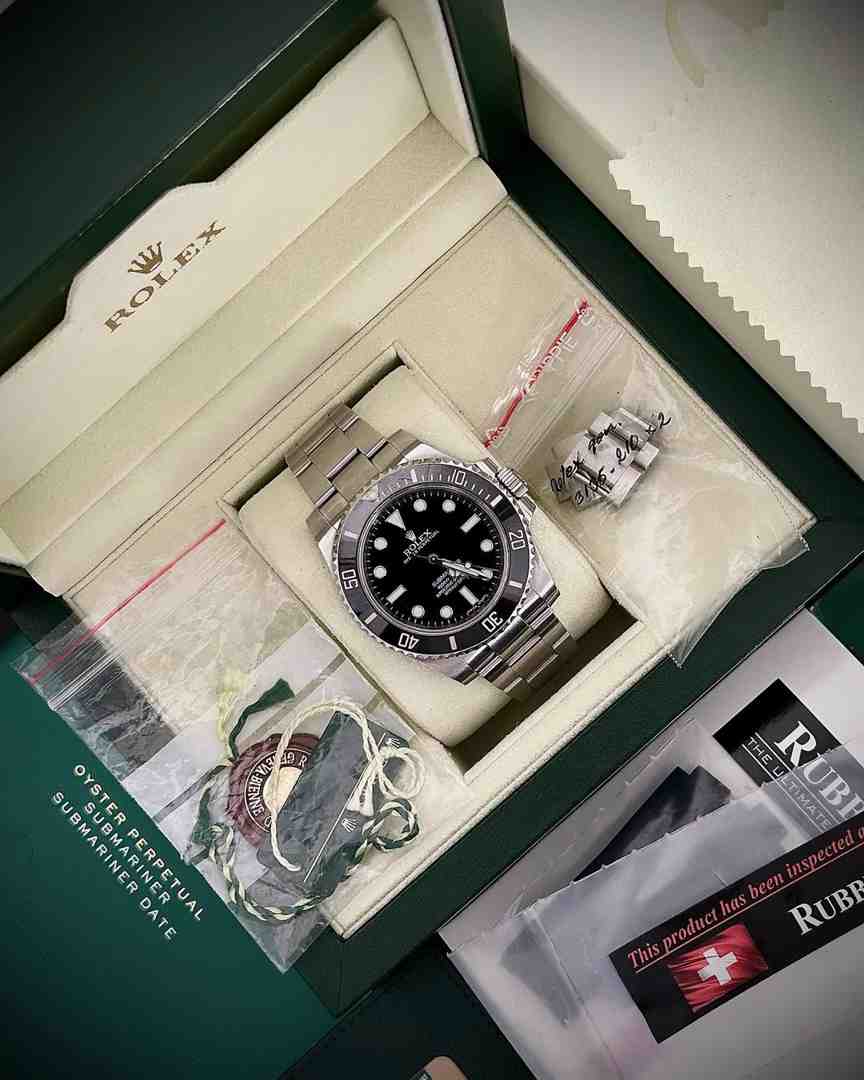
Preparation can make a noticeable difference to the quality of the valuation you receive. Start by gathering the original box, manual, papers, receipts, service records, and any spare links or accessories.
Clear photographs also help. Take images of the dial, case, clasp, bracelet, caseback, and any visible wear. If you know the reference number, include it in your enquiry rather than relying on a broad model name.
When it comes to condition, minor wear is normal. Professional polishing can be acceptable for many modern watches, but it is generally avoided for vintage pieces because collectors often value original case lines and bevels.
A Clearer Way to Trade Your Watch in Australia
If you are ready to trade or sell a timepiece, the process should not feel complicated. WristWorks is based in Perth, Western Australia, and works with collectors across Australia through an online-first model built around direct communication and clear valuations.
Here is how to get started:
- Submit your details: Complete our online enquiry form with the brand, model, reference number, and clear photographs of your watch.
- Receive a valuation: We assess the timepiece against current market conditions and provide a clear valuation.
- Arrange secure shipping: If you accept the offer, we provide instructions for sending the watch to us for physical assessment.
- Complete the settlement: Once the watch has been received and inspected, we finalise the transaction and transfer the funds directly to your bank account.
The aim is simple: a watch trading process that feels transparent, practical, and suited to Australian collectors. By keeping the model online-first and avoiding the overheads of traditional boutiques, WristWorks can focus on fair valuations and straightforward service.
To begin your next trade or get a professional valuation, submit a watch enquiry and take the next step with a team that understands the Australian luxury watch market.