How to Start Selling Watches Online in 5 Simple Steps
How to Sell Watches Online: What You Need to Know Before You Start

If you are wondering how to sell watches online in Australia, the safest place to start is with a direct-to-dealer, outright sale. It keeps the process simple: you share the details of your watch, receive a clear offer, and avoid the stress of managing listings, strangers, shipping disputes, and drawn-out negotiations.
Key Takeaways
- Direct-to-dealer, or outright, selling is usually the simplest and most secure option for Australian sellers.
- DIY marketplaces can look appealing, but platform fees, slow buyers, payment disputes, and scam risks can quickly reduce the final result.
- A complete set with the original box, papers, manuals, and service records can make your watch easier to assess and more appealing to serious buyers.
- Consignment can suit some sellers, but it should be treated as a secondary option because you may wait weeks or months for the right buyer.
- The best sale starts with honest details, clear photos, realistic expectations, and a professional review process.
There are several ways to sell a watch online. You can sell directly to a specialist, place the watch on consignment, list it on a collector forum, use a general marketplace, or try social platforms. Each option has its place, but they are not equal when you consider effort, risk, and the amount that actually reaches your bank account.
For most Australian sellers, direct-to-dealer selling offers the clearest path. A specialist can review the watch, make a firm offer, and handle the transaction through a more controlled process. That is very different from waiting for a private buyer who may ask endless questions, negotiate hard, or disappear before payment.
The pre-owned watch market is substantial, and buyers now have more choice than they did a few years ago. That means presentation, records, condition, and sales channel matter more than ever. A strong listing price means very little if fees, disputes, or delays reduce the final outcome.
I am Brad Purdy, founder of WristWorks. After building an online-first watch trading business in Australia, and after learning hard lessons early on, I know how important it is to keep the selling process clear, secure, and practical. This guide explains how to prepare your watch, compare your options, and decide whether an outright sale is the right fit.
Choosing the Safest Way to Sell Your Watch Online
When you look at how to sell watches online, the first question is not simply “where can I list it?” A better question is “which method gives me a fair result without unnecessary risk?” That matters because the current pre-owned market gives buyers plenty of choice, and private sellers often have to work harder than expected to earn trust.
Direct-to-Dealer vs DIY Marketplaces
A direct-to-dealer sale means you sell the watch outright to a professional specialist. You do not need to write a listing, field low offers, arrange viewings, or manage a long back-and-forth with buyers. If the offer works for you, the sale can move forward through a clear process and direct bank transfer.
DIY marketplaces and collector forums can connect you with buyers, but they put the workload on you. You need strong photos, a detailed description, patience, and a way to prove that you are trustworthy. On enthusiast forums, new sellers often struggle because buyers tend to favour people with an established transaction history.
General marketplaces offer a large audience, but they also come with more moving parts. You may need to manage platform rules, shipping expectations, buyer disputes, and seller fees. Some major global platforms charge seller fees of up to 15% on the total transaction amount, while specialist watch platforms may charge a lower but still meaningful percentage.
The Deloitte Swiss Watch Industry Study shows how much attention the industry now gives to secure, professionalised pre-owned channels. That shift is one reason many sellers prefer a direct specialist sale instead of handling the process alone.
The Hidden Costs and Risks of Selling It Yourself
A high asking price can be tempting, but it is not the same as a completed sale. Before choosing a DIY route, allow for platform fees, insured shipping, packaging, time spent answering questions, and the possibility that a buyer may try to renegotiate after inspection.
Fraud is another concern. Sellers can be targeted by payment reversals, false item-not-received claims, or “empty box” disputes where a buyer claims the package arrived without the watch. Even when you have acted carefully, resolving a dispute can be stressful and time-consuming.
Australian tax rules can also matter, especially if you sell watches regularly or appear to be trading as a business. If you are unsure, keep clear records of purchase receipts, sale prices, and related costs, and get advice from a qualified Australian tax professional.
A Practical 5-Step Process for Selling Your Watch
Selling a watch online is much easier when you prepare before asking for offers. The aim is to give a buyer or specialist enough information to assess the watch properly, without creating confusion or delays.
Step-by-Step Guide to Selling Online Securely
The McKinsey State of Fashion: Watches and Jewellery report highlights the continued growth of the pre-owned watch sector. More buyers in the market is useful, but it also means sellers need to present watches clearly and choose the right sales channel.
- Gather the records: Find the original box, papers, manual, receipts, and any service records from authorised service centres.
- Check the condition: Note scratches, dents, bracelet stretch, timekeeping issues, replaced parts, or anything else a buyer should know.
- Set realistic expectations: Compare completed sales of the same model, not just optimistic asking prices.
- Choose the right method: Decide whether the extra work of a private sale is worth it, or whether an outright specialist offer is the better fit.
- Complete the sale securely: Use clear written terms and only release the watch once cleared funds are confirmed.
Prepare the Watch Before You Ask for an Offer
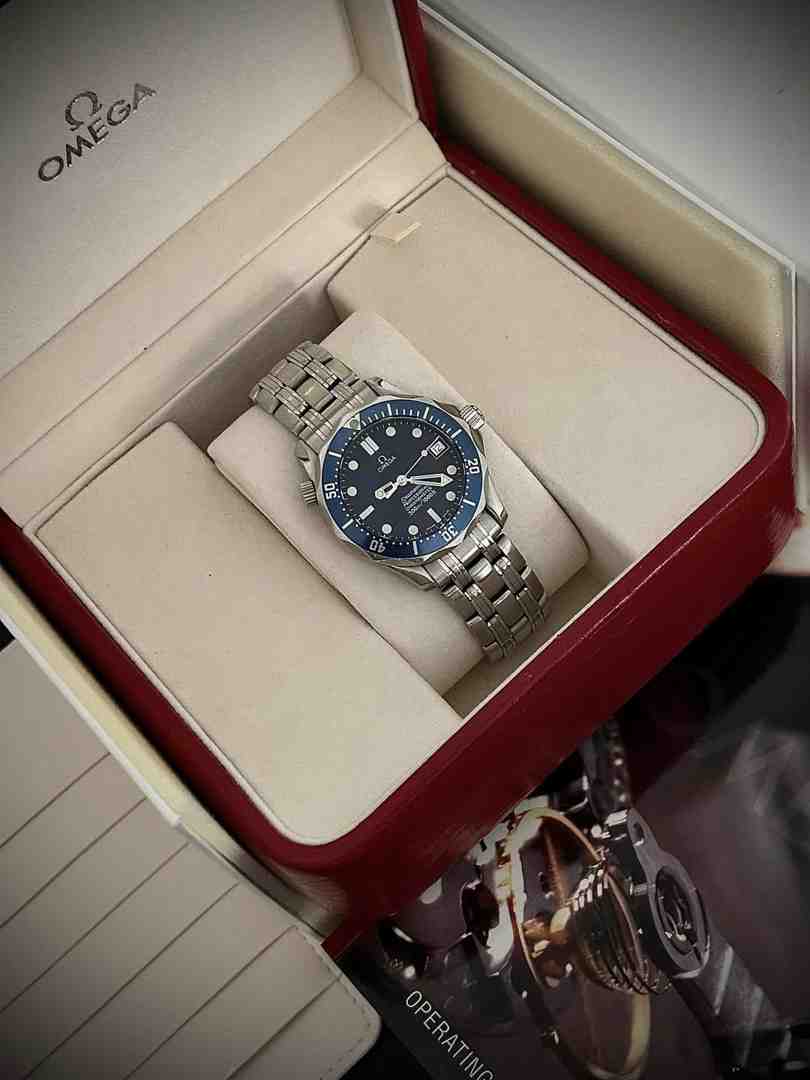
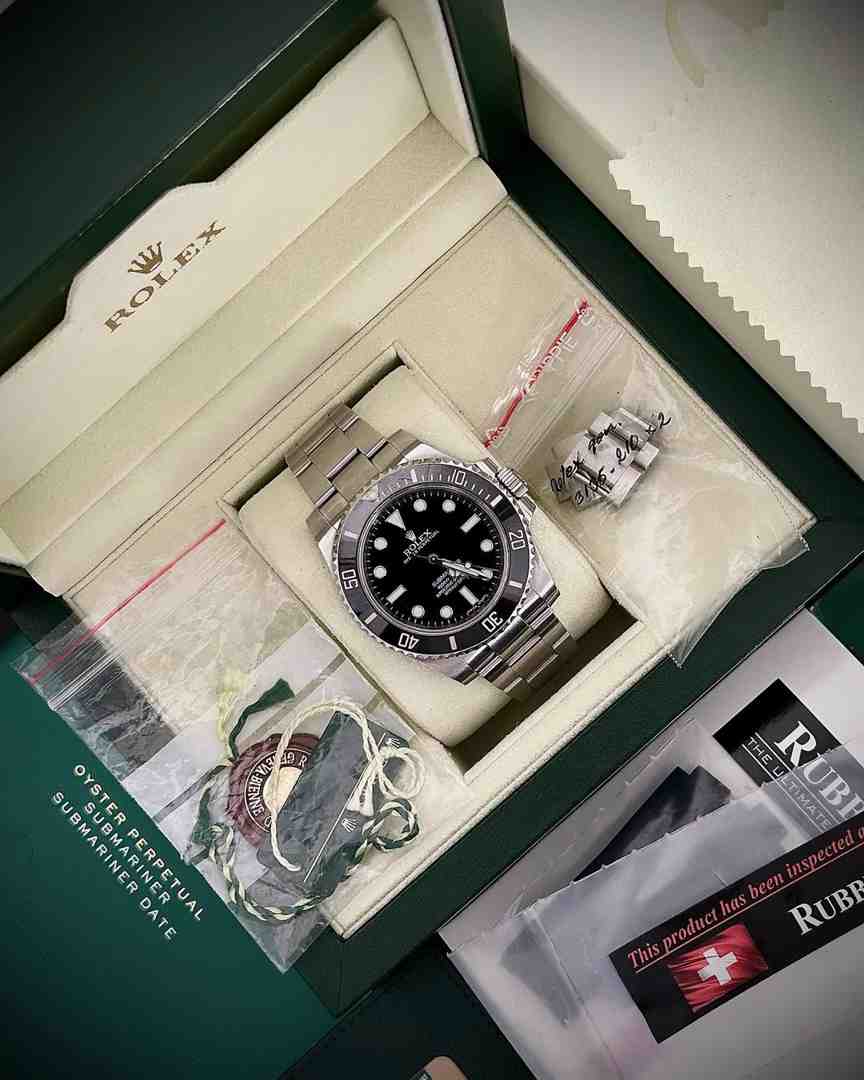
Presentation matters, especially with luxury watches. A complete set with the original box and papers can improve buyer confidence and may increase resale value compared with a watch sold without supporting items. Service records are also useful because they help show how the watch has been maintained.
Before taking photos or sending details, give the watch a gentle clean with a soft microfibre cloth. Avoid hiding wear or describing the condition too generously. A transparent description usually saves time because the buyer or specialist can assess the watch more accurately from the start.
Be careful with polishing. For many modern watches, professional polishing may be acceptable if it is done properly and suits the watch. For vintage pieces, collectors usually prefer original, unpolished cases with clear factory lines, so polishing can reduce value.
If you decide to list the watch yourself, take sharp photos of the dial, case, case back, bracelet, clasp, serial or reference details where appropriate, and all included accessories. For a more detailed preparation guide, see How to Sell a Watch.
Outright Sale vs Consignment
If you work with a specialist, you will usually choose between selling outright or placing the watch on consignment. At WristWorks, outright sales are the primary recommendation because they are simpler, clearer, and more secure for most sellers.
Consignment can be useful in selected cases, but it is not the same as selling immediately. Your watch may sit with the dealer until the right buyer appears, and the final timing depends on demand, pricing, and market conditions.
WristWorks is not a consignment-driven business. Around 95% of inventory is owned directly by WristWorks, and any consigned pieces are held securely by WristWorks while the sale is managed. That structure reflects the focus on direct purchasing and straightforward transactions.
Selling Your Watch With a Clear, Practical Plan
Selling a luxury watch online does not need to feel complicated. If you prepare the right details and choose the right channel, you can avoid many of the common problems that make private selling stressful.
For Australian sellers, the most practical starting point is usually a direct-to-dealer, outright sale. It lets you skip public listings, reduce exposure to unverified buyers, and work through a clearer process with a specialist who understands the local market.
WristWorks operates from Perth, Western Australia, with an online-first model built around transparent evaluation, simple communication, and fair offers. Because the business does not rely on expensive retail showrooms, it can keep overheads lower and focus on efficient transactions for sellers across Australia.
If you want to sell your watch without managing the process yourself, you can get a professional valuation and decide whether an outright offer suits you.