Do Rolex Watches Actually Lose Their Value Over Time?
What Rolex Resale Value Actually Looks Like
Asking whether Rolex watches lose their value is worth doing before spending serious money, and the short answer is: it depends on the model.
Here is a quick breakdown:
- Most stainless steel sports models (Submariner, Daytona, GMT-Master II) hold their value well and often trade above what you paid at retail.
- Precious metal and gem-set models tend to sell below retail on the secondary market.
- Dress watches like the standard Datejust sit somewhere in the middle, with modest returns but rarely dramatic losses.
- Condition, provenance, and timing all play a role in where your watch lands.
So no, Rolex watches do not follow the same depreciation curve as most luxury goods. But not every Rolex is created equal when it comes to resale.
This guide breaks down which models hold value, which ones don't, and what the real costs of ownership look like, so you can make a clear-headed decision.
I'm Brad Purdy, founder of WristWorks, and I've spent years buying and selling Rolex watches across the Australian market, which means I've seen how much the question of whether Rolex watches lose their value can vary from one reference to the next. That experience shapes everything in this guide.
Do Rolex Watches Lose Their Value?
To understand how these timepieces behave on the secondary market, we must first look at the difference between retail prices and secondary market trends. While a typical consumer product loses a chunk of its value the moment you walk out of the store, certain luxury timepieces defy this rule.
The secondary market has experienced a healthy correction over the last few years, moving away from the speculative peaks of the early 2020s toward a more stable, realistic baseline. This normalisation means that while short-term "flipping" is no longer a viable strategy, the underlying demand for key models remains incredibly strong. Australian collectors and enthusiasts have adjusted their expectations, favouring long-term stability over rapid, volatile gains.
The primary driver here is simple economics: supply and demand. The manufacturer limits the production of its most desirable sports models, creating multi-year waitlists at retail level. This supply constraint naturally pushes secondary market prices up for those who want the watch immediately. In Australia, securing a highly coveted reference from an authorised dealer can take years, which keeps secondary market premiums robust.
Below is a comparative look at how different models perform on the secondary market relative to their original retail prices:
| Model & Reference | Primary Material | Secondary Market Trend |
|---|---|---|
| Daytona (Ref. 126500LN) | Stainless Steel | Significant Premium (+50% to +88% above retail) |
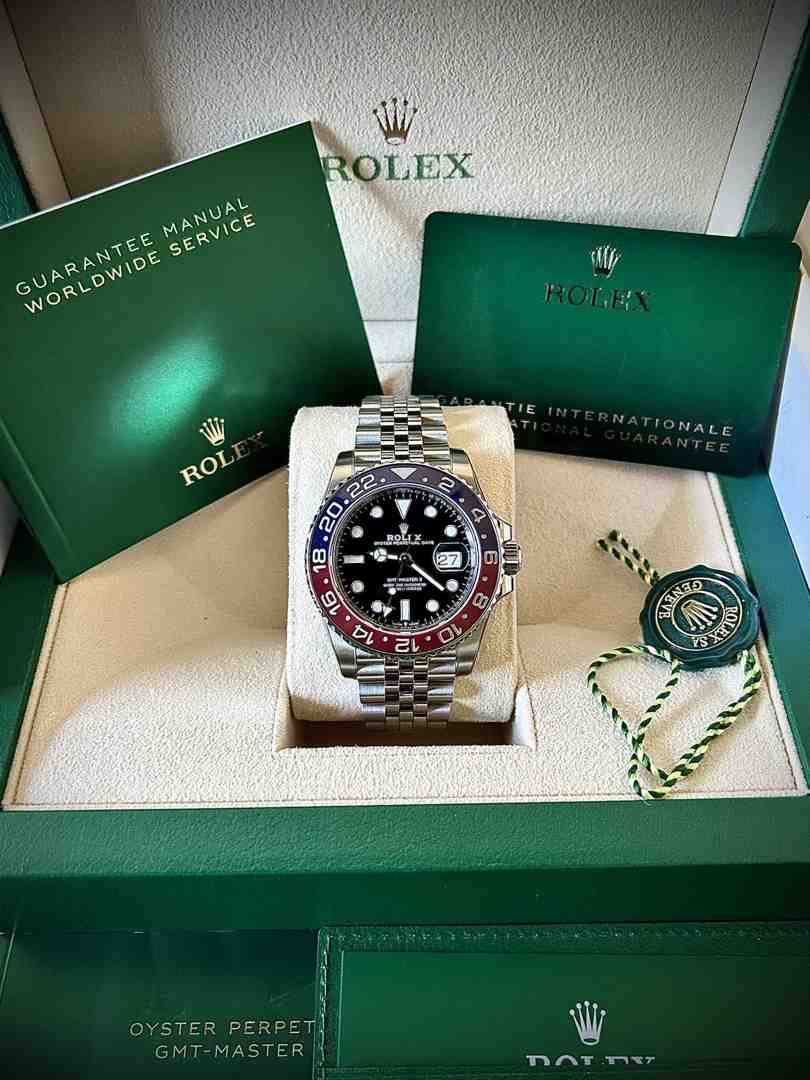
| GMT-Master II Pepsi (Ref. 126710BLRO) | Stainless Steel | High Premium (+80%+ above retail) |
| Submariner Date (Ref. 126610LN) | Stainless Steel | Moderate Premium (+13% to +41% above retail) |
| Sky-Dweller White Rolesor (Ref. 336934) | Steel & White Gold | Moderate Premium (+19% to +79% above retail) |
| Datejust 41 (Ref. 126334) | Stainless Steel | Flat to Minor Premium (+8% to +44% above retail) |
| Sea-Dweller 43mm (Ref. 126600) | Stainless Steel | Trades slightly below retail |
| Two-Tone Datejust 41 (Ref. 126333) | Steel & Yellow Gold | Trades below retail |
| Full Gold Submariner (Ref. 126619LB) | White Gold | Trades below retail |
| Precious Metal Yacht-Master (Ref. 226658) | Yellow Gold | Trades below retail |
Do Rolex Watches Lose Their Value Over Time?
When looking at a longer horizon, such as 5, 10, or 15 years, the historical performance of these timepieces is remarkably stable. Historically, top-tier sports models have acted as a reliable hedge against inflation, often outperforming traditional luxury assets.
If you look back over a decade, a stainless steel Submariner or Daytona purchased at retail has not only held its original purchase cost but has appreciated significantly. This long-term stability is why many collectors view them as a secure store of wealth. However, we always caution against viewing any watch purely as a financial tool. They are designed to be worn and enjoyed first and foremost. For a deeper look into how timepieces behave as long-term assets, you can read our Luxury Watches Investment Guide 2026.
While market corrections do happen, the floor for iconic models rarely drops below their original retail value over a multi-year period. This resilience is discussed in detail in external reports like the Are Luxury Watches Like Rolex Worth Buying? | GOBankingRates analysis, which highlights how certain models continue to command premiums even during broader economic shifts.
Do Rolex Watches Lose Their Value in Precious Metals and Two-Tone?
While stainless steel sports models are famous for trading above retail, the story is quite different for precious metal (gold and platinum) and two-tone (steel and gold) configurations.
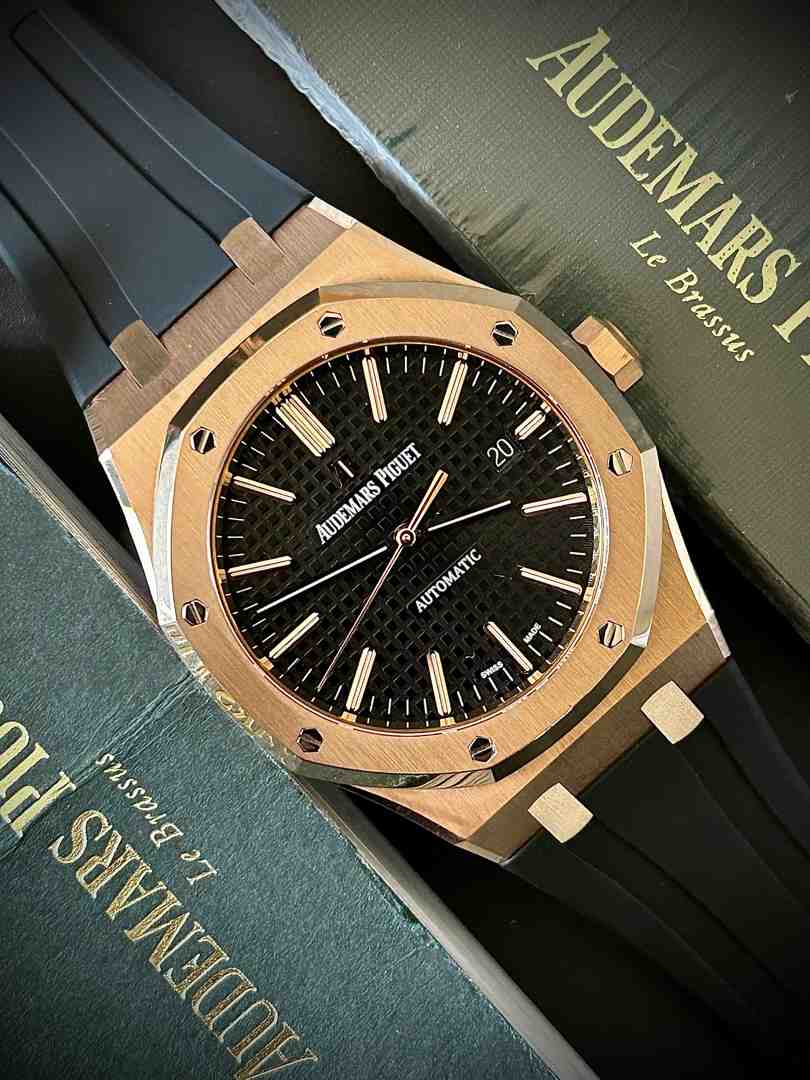
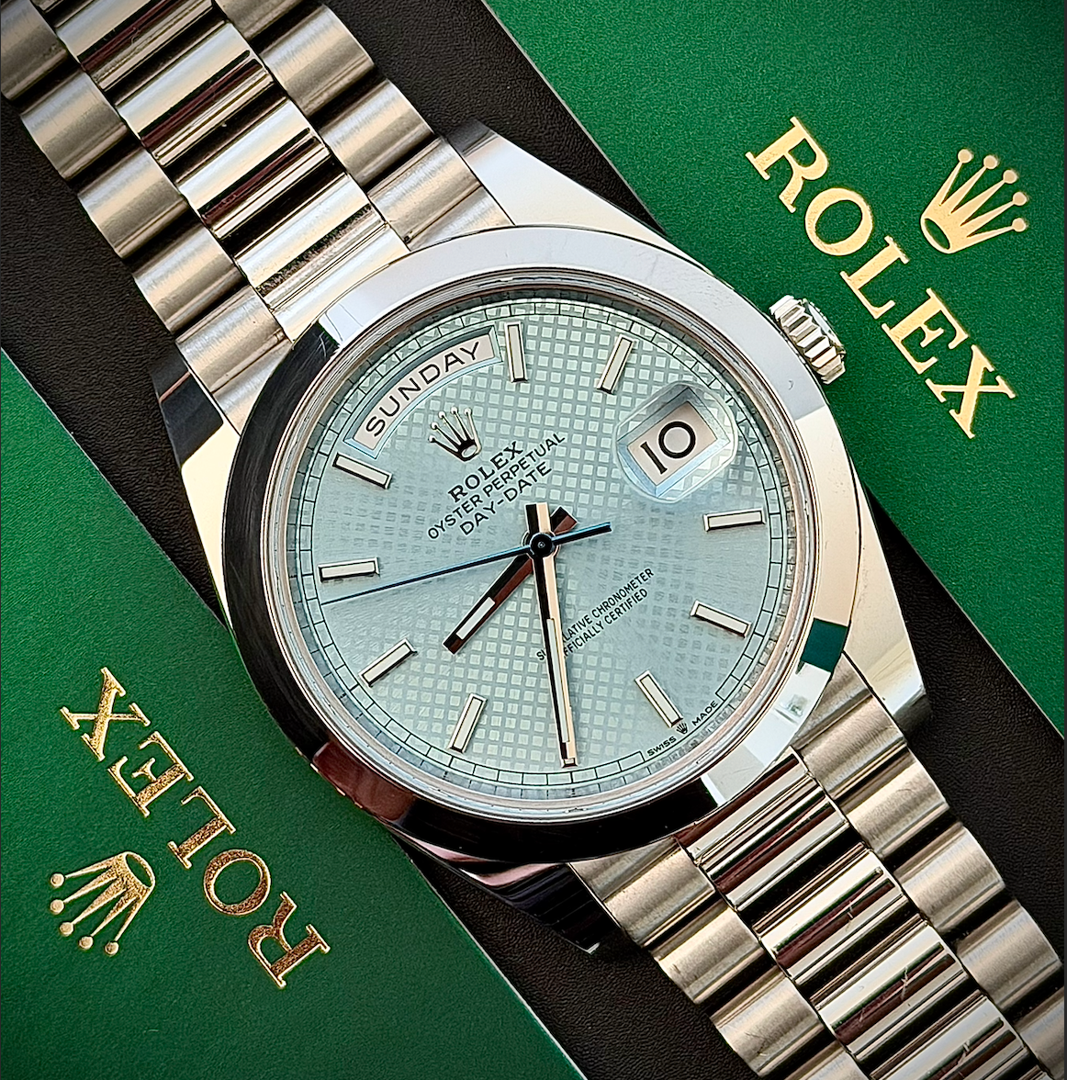
Precious metal models carry much higher retail prices due to the intrinsic value of the materials and higher manufacturer margins. However, the secondary market buyer pool for a solid gold Submariner or a gem-set Day-Date is much smaller than it is for a classic steel model. As a result, these models often experience initial depreciation when transitioning to the secondary market.
For example, a solid yellow gold Day-Date or a precious metal Yacht-Master will typically trade below its original retail price on the pre-owned market. This makes the pre-owned market an excellent place to buy gold models, as the initial depreciation has already been absorbed by the first owner. To understand more about how different materials affect long-term retention, see our guide on Do Luxury Watches Hold Their Value.
How Rolex Compares to Other Luxury Brands
In the wider landscape of luxury watchmaking, the brand from Geneva stands out for its unmatched liquidity and market stability. Most luxury watches experience an immediate drop of 20% to 40% in value the moment they are purchased. Brands with wider production scales or frequent design overhauls struggle to maintain strong secondary prices.
By contrast, the entry-level depreciation for a standard model is exceptionally low, usually sitting between 5% and 15%, while its most popular sports lines skip depreciation entirely. This level of market support is rare, with only a select few historic Swiss watch brands operating at a similar level of demand. The broader stabilisation of the luxury market and how it affects various brands is covered in the report Are Luxury Watches Like Rolex Losing Their Value? - AOL, which notes that while speculative bubbles have burst, the blue-chip brands remain highly resilient.
Key Factors Influencing Rolex Resale Performance
Several critical elements dictate where a specific watch will sit on the value spectrum:
- Box and Papers (Provenance): A complete set containing the original presentation box, manual, and the completed guarantee card is highly prized. Having the original box and papers can increase a watch's value by up to 35% compared to a "naked" watch of the same reference.
- Case Condition and Polishing: Originality is everything to collectors. Only a tiny fraction of vintage models remain completely unpolished. For modern watches, light polishing is perfectly acceptable to restore a clean look. However, for vintage pieces, polishing is generally avoided because it softens the original factory edges and reduces the case metal, which can significantly hurt the resale value.
- Servicing and Maintenance: Regular servicing ensures the mechanical movement runs within strict parameters. Keeping detailed service records from reputable specialists helps protect your asset's value over time.
- Insurance and Ongoing Costs: To protect your asset, we highly recommend specialist insurance, which typically costs between 1% and 2% of the watch's value annually.
For a complete breakdown of how to manage these ownership factors to protect your watch's future value, refer to our comprehensive Rolex Investment Guide.
Maximising Your Return: The Reality of Rolex Ownership
If you are looking to sell or trade your timepiece in Australia, navigating the secondary market can feel overwhelming. Many sellers default to selling privately online, only to deal with low-ball offers, security risks, and endless inquiries.
At WristWorks, we operate an online-first model designed to make watch trading simple, secure, and transparent for collectors across Australia, with our operations based out of Perth, Western Australia.
When it comes to parting with your timepiece, we believe in a straightforward approach that prioritises your convenience and financial return:
- Direct-to-Dealer Sales: This is our primary, recommended method. We buy your watch outright, providing a fast, highly secure transaction without the hassle of waiting for a buyer. It is the cleanest, most efficient way to unlock the value of your watch, removing the uncertainty of private listings. By selling directly to us, you avoid the prolonged waiting periods associated with other methods and secure a competitive market price immediately.
- Consignment: We offer consignment as an optional, secondary service for specific high-value pieces. All consigned watches are held securely by us in our inventory, and we handle the payments directly to ensure a seamless process. This is reserved for unique or ultra-rare references where a seller is comfortable waiting for the right collector.
- Owned Inventory: To maintain complete control over quality and service, 95% of the inventory we offer is owned directly by WristWorks.
We don't believe in the high overheads of traditional physical storefronts. By remaining 100% online, we can pass those savings back to you through better trade prices and highly competitive offers. If you want to find out what your watch is worth in today's market, you can quickly Get a Valuation for Your Rolex through our simple online portal.