Beyond the Bling: How to Make Smart Investments in Luxury Timepieces
Why Luxury Watch Investment Matters Right Now
A luxury watch investment guide helps you understand which timepieces hold their value and why some watches appreciate while others don't. Here's what you need to know:
- Focus on established brands like Rolex, Patek Philippe, and Audemars Piguet
- Prioritise steel sport models over precious metal dress watches
- Buy complete sets with original box and papers
- Understand that condition and provenance drive value
- Plan to hold investment pieces for 5-10 years minimum
In today's volatile financial markets, tangible assets are attracting renewed attention. The global luxury watch market sits at $49.8 billion, with certain models delivering returns that rival traditional investments. The Knight Frank Luxury Investment Index shows watches appreciated 96% between 2013 and 2023, outperforming assets like gold and art.
But here's the reality: not every luxury watch is an investment. Most depreciate the moment you walk out of the boutique. The difference between a smart purchase and an expensive mistake often comes down to knowledge.
This guide walks you through what actually matters when buying watches as investments. You'll learn which brands and models consistently hold value, how to spot the warning signs of poor investments, and what it takes to protect your purchase over time.
In Australia, the pre-owned market offers a different set of opportunities compared to buying new. Sourcing watches from established dealers can also mitigate the risks common in private sales. For anyone considering their first serious timepiece or building a collection, understanding these fundamentals is key to making decisions that protect your capital while allowing you to enjoy your watch.
Understanding the Luxury Watch Investment Landscape
Investing in luxury watches means acquiring a tangible asset that can offer both personal enjoyment and potential financial growth. Unlike purely financial assets like stocks or bonds, a luxury watch is a physical item that can be worn and appreciated. This combination of utility and investment potential has made watches an appealing option for those looking to diversify their portfolios.
Historically, watches have shown impressive returns. The Knight Frank Luxury Investment Index highlights that watches have delivered an average return on investment (ROI) of 147% over a decade, placing them second only to wine and rare whisky among luxury collectibles. This data underscores that chosen wisely, luxury watches can indeed be a resilient and appreciating asset.
Your Comprehensive Luxury Watch Investment Guide
A luxury watch can be more than just a timepiece; for many, it's a statement of refinement, craftsmanship, and enduring value. If you're looking to acquire a watch that may hold its value over time, here is a guide to what you should consider.
What Defines an Investment-Grade Watch?
Not all luxury watches are created equal when it comes to investment potential. Certain characteristics lift a timepiece from a mere luxury item to a true investment-grade asset.
First and foremost is brand prestige. Brands like Rolex, Patek Philippe, and Audemars Piguet have cultivated centuries of heritage, innovation, and desirability. This reputation translates directly into strong resale values and sustained demand.
Next is rarity and limited production. Watches produced in small numbers, limited editions, or those that are now discontinued often see their value appreciate significantly due to scarcity. Think of it this way: if everyone can have one, it's less special. If only a few exist, demand can far outstrip supply.
Condition is paramount. A well-preserved timepiece with minimal signs of wear is always more valuable than one that has been heavily used or poorly maintained. This includes maintaining the original finish and avoiding unnecessary polishing, especially for vintage pieces.
The materials used also play a role. While precious metals like gold and platinum inherently add value, surprisingly, steel sport models from top brands often outperform their precious metal counterparts in terms of investment returns. This is due to their higher demand and everyday wearability.
Provenance, or the history of ownership, can also add significant value, especially if a watch has a notable past owner or a unique story.
Finally, the importance of the original box and papers cannot be overstated. A complete set, including the original packaging, service records, and original certificates, can increase a watch's resale value by 10-30%. These documents verify the watch's origins and history, providing peace of mind to future buyers. A watch without its accompanying papers can be more difficult to sell, as it raises questions about its provenance.
To dive deeper into what makes a watch a smart buy, you might find our article on What Defines a Good Investment Watch Today particularly insightful.
Top Brands and Models That Hold Their Value
When we talk about luxury watches as investments, a few names consistently rise to the top. These are the brands that have demonstrated a remarkable ability to hold or increase their value over time.
The "Holy Trinity" of investment-grade watches typically includes:
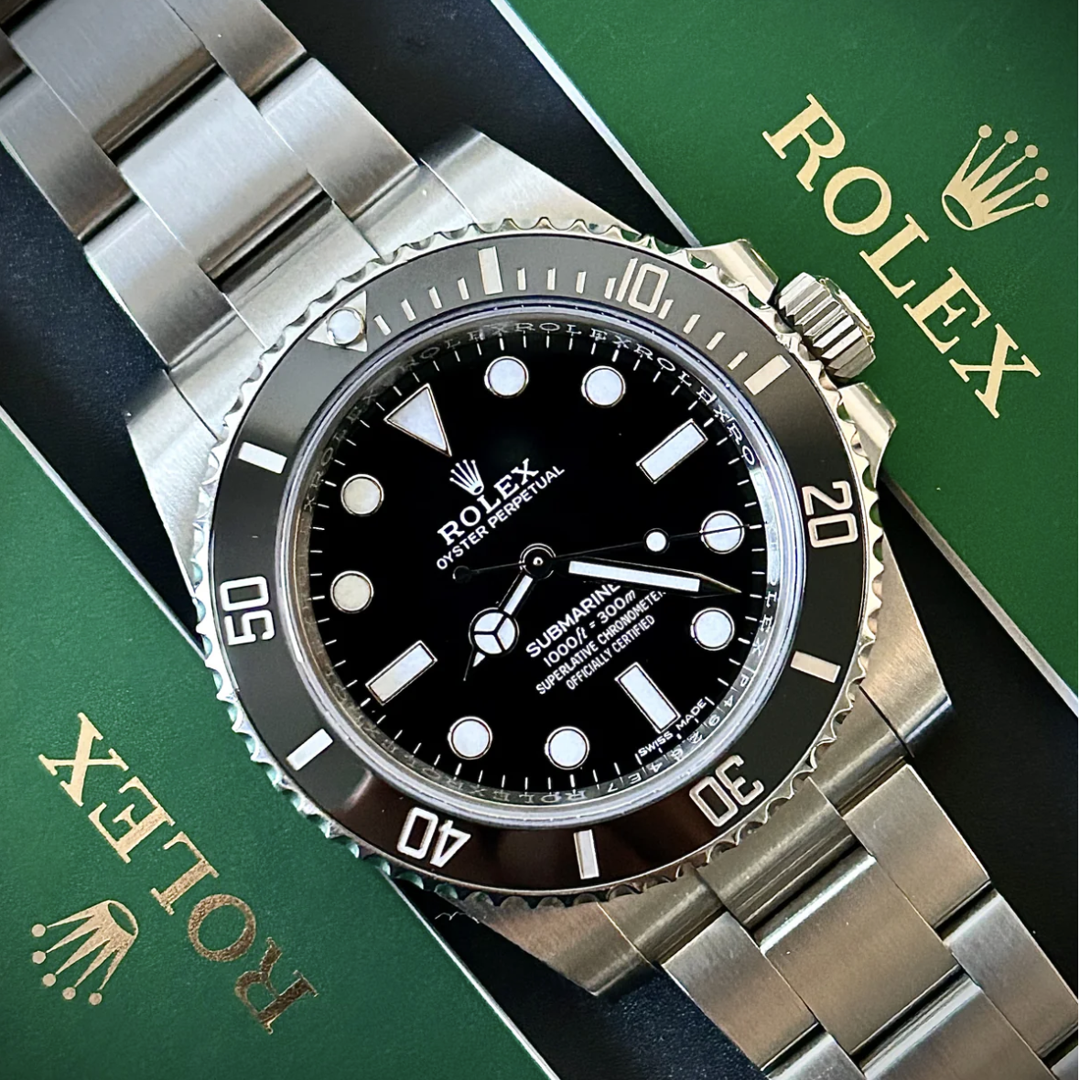
- Rolex: Universally recognised, Rolex is a powerhouse in value retention. Iconic models like the Submariner, Daytona, and GMT-Master are consistently in high demand. The Rolex Submariner, for instance, is a quintessential dive watch known for its robust design and strong resale value. You can learn more about why Why Collectors Still Chase the Rolex Submariner 114060.
- Patek Philippe: Known for exquisite craftsmanship and complex movements, Patek Philippe timepieces are highly sought after. The Nautilus and Aquanaut models, especially in stainless steel, have seen tremendous value increases.
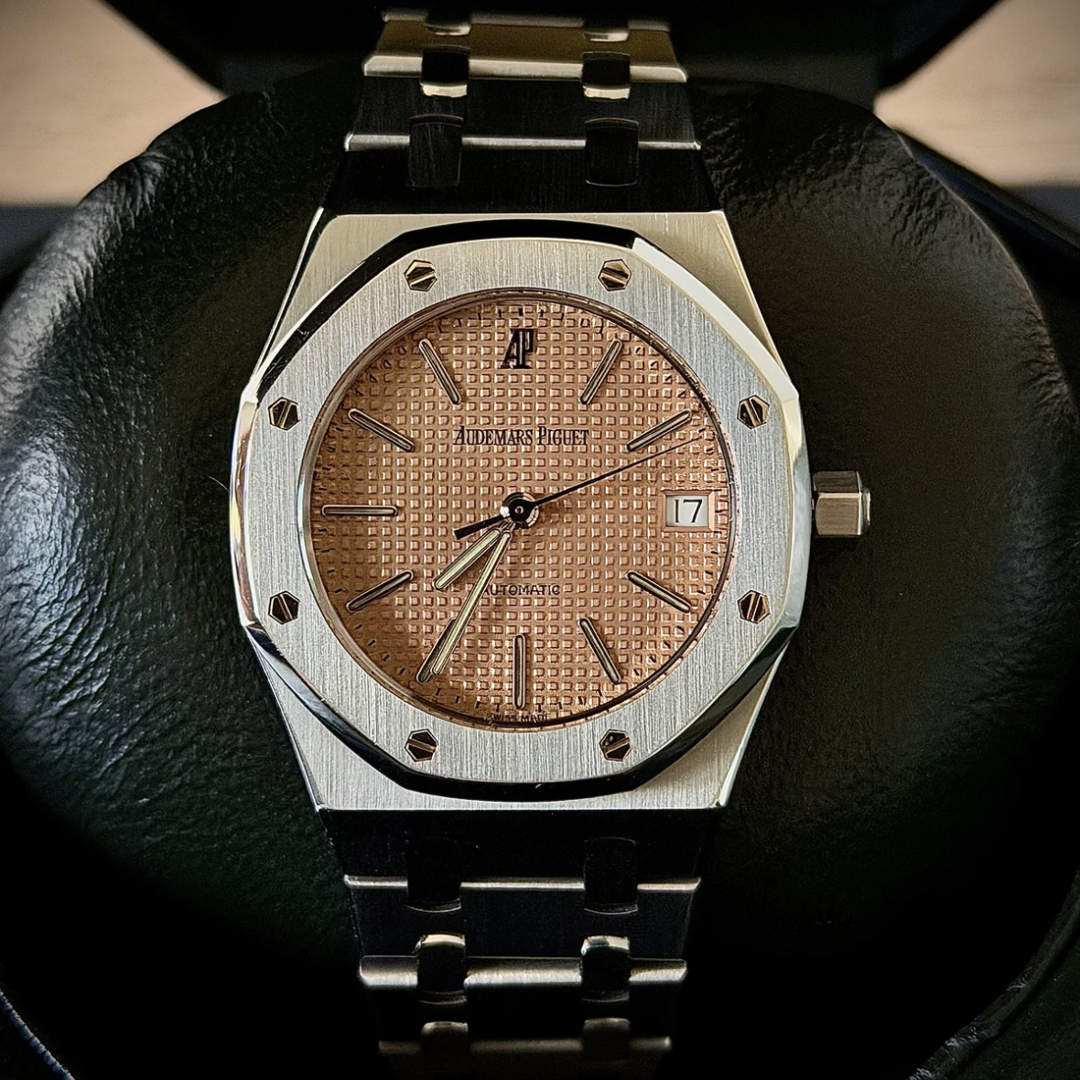
- Audemars Piguet: The Royal Oak, with its distinctive octagonal bezel, is a design icon that has maintained or increased its value, particularly for rare and limited editions.
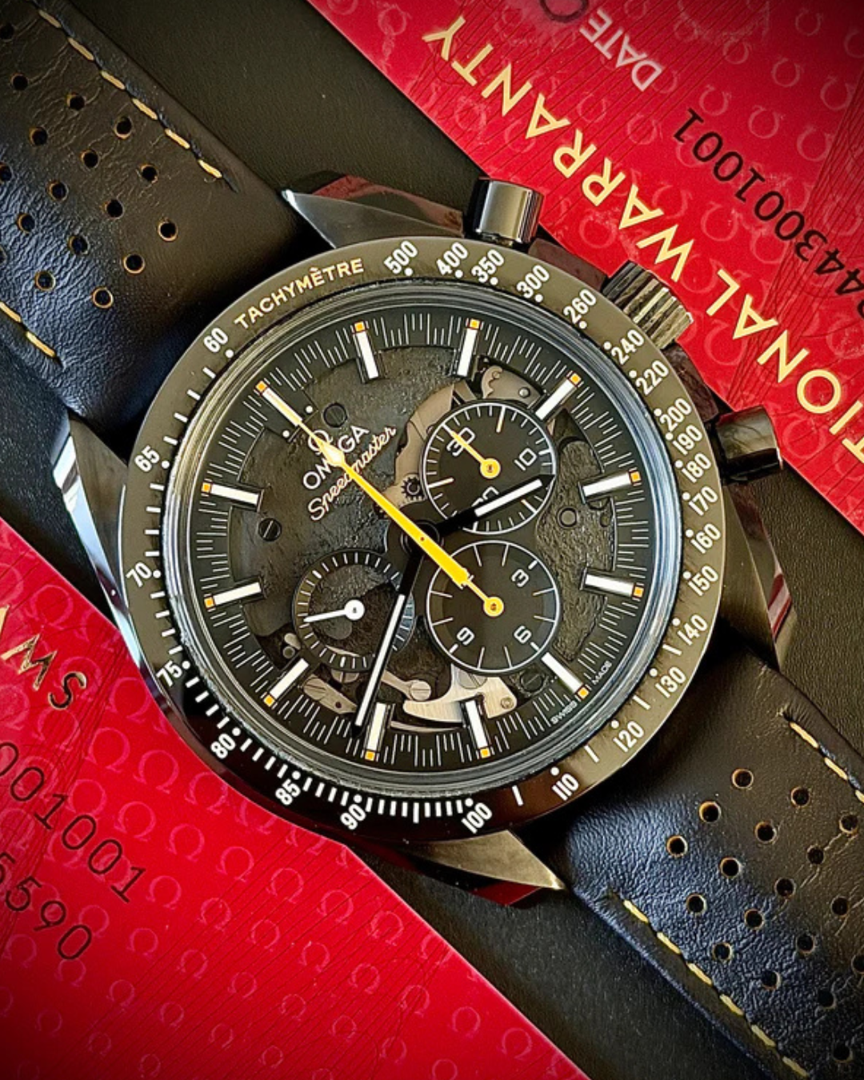
Other brands like Omega also offer strong investment potential. The Omega Speedmaster, famously the "Moonwatch," and the Seamaster, popularised by James Bond, are excellent choices, especially limited editions or historically significant models.
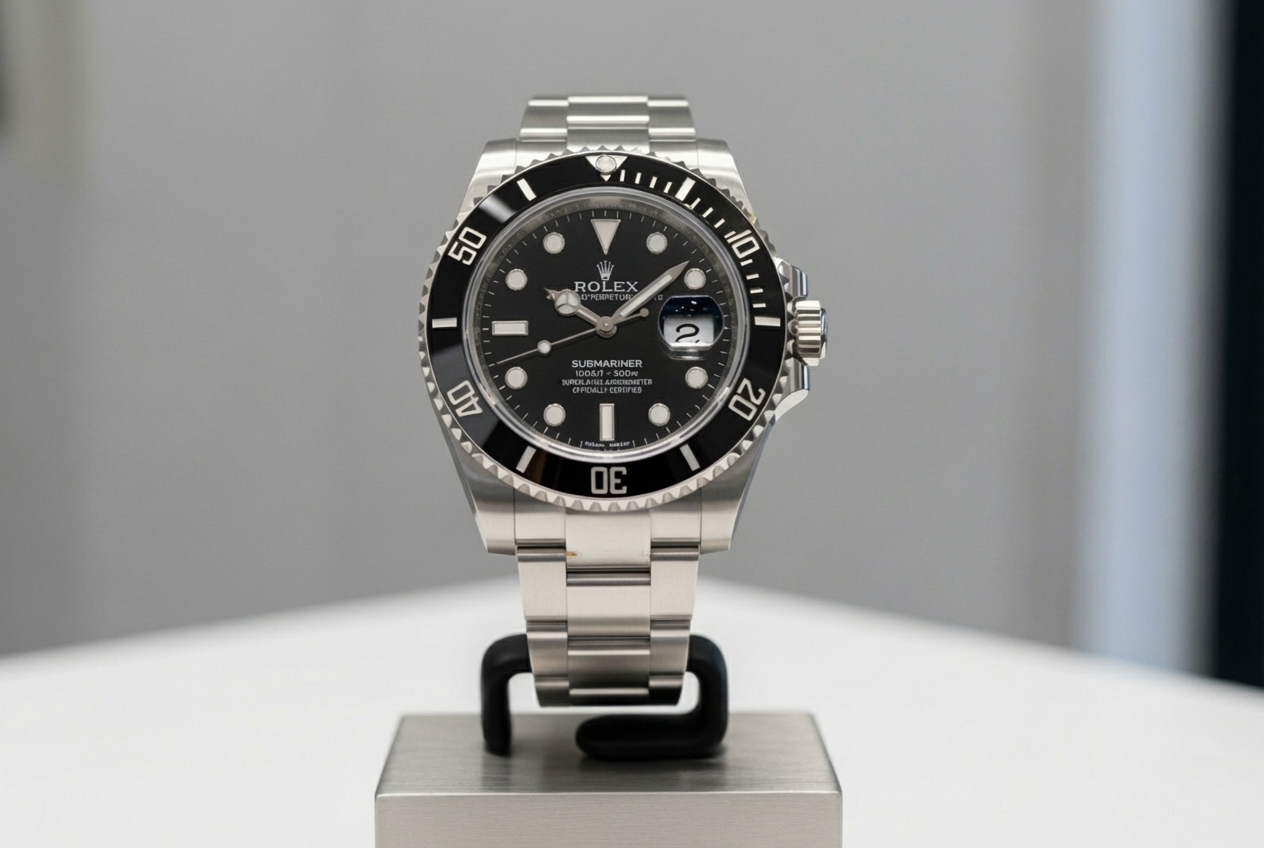
Specific iconic models are particularly good for investment, such as the Rolex Submariner, Daytona, and GMT-Master. The Patek Philippe Nautilus and Audemars Piguet Royal Oak, especially in rare or discontinued editions, are also highly sought-after. From Omega, the Speedmaster 'Moonwatch' and its limited variants are excellent choices.
When considering watch types, dive watches and GMTs from these top brands often perform well due to their robust utility and popular designs.
Vintage versus modern watches also present different investment profiles. Vintage watches (typically 20+ years old) can offer higher returns due to their rarity and historical significance, often having a finite supply. Modern watches, while still valuable, are more widely available and may not appreciate at the same rate as rare vintage pieces.
While Swiss brands dominate the investment landscape, don't overlook exceptional Japanese alternatives. Brands like Grand Seiko, once a well-kept secret among collectors, are gaining significant appreciation for their exquisite craftsmanship, precision, and unique aesthetic. Models like the Seiko SKX007, though more accessible, have also shown consistent performance for discontinued and rare versions.
Navigating the Market: A Practical Luxury Watch Investment Guide
Understanding the market dynamics is crucial for making informed investment decisions. Let's compare the potential return on investment (ROI) for luxury watches against other asset classes.
The Knight Frank Luxury Investment Index reveals that watches have an average ROI of 147% over a decade, outperforming traditional assets. For comparison, the S&P 500 had a Compound Annual Growth Rate (CAGR) of about 10.4% from 2014 to 2024, while gold grew by around 4% CAGR. While watches can be less liquid than stocks or gold, their potential for significant appreciation is clear.
The pre-owned watch market plays a pivotal role in investment potential. It's where most investment-grade transactions occur, offering access to discontinued models and real-time market values. The pre-owned market accounts for a substantial portion of the luxury watch industry, and for good reason: a vast majority of watch models are no longer in production, making the secondary market essential for collectors seeking discontinued or rare pieces. This market's growth provides excellent opportunities for both buyers and sellers. We've explored this further in The Case for Investing in Pre-Owned Watches.
A key decision is choosing between new and pre-owned watches. New models often depreciate immediately, much like a new car, though securing a high-demand piece at retail can offer instant equity. Conversely, pre-owned watches have already absorbed this initial drop. They provide immediate access to desired models at market value and can present better returns, particularly for discontinued pieces.
Effective research strategies are essential. This involves thoroughly researching specific brands and models, comparing used prices to retail prices online, and studying auction results from reputable houses. Monitoring market trends, demand, and pricing through platforms like WatchCharts and Subdial Index will help you make informed decisions.
Of course, like any investment, there are risks. The prevalence of non-genuine watches is a significant concern in the luxury watch market. Market volatility can also impact values, as seen with recent fluctuations influenced by global economic factors. Liquidity issues, high maintenance costs, and the risk of overpaying due to hype are other factors to consider. This is where partnering with a trusted dealer becomes invaluable, as they can provide expert guidance and transparent pricing.
Protecting Your Investment for the Long Term
Once you've acquired your investment-grade timepiece, the journey doesn't end there. Protecting its value requires diligent care and attention.
The question of wearing versus storing your watch is a common one. While a watch is meant to be worn and enjoyed, wearing it daily can impact its value, especially if it accumulates scratches or wear. For purely investment purposes, an unworn watch in pristine condition will always command the highest premium. However, many collectors strike a balance, wearing their watches carefully and ensuring proper maintenance to preserve their condition.
Maintenance and servicing are non-negotiable. Mechanical watches are intricate machines that require regular attention. We recommend professional servicing every 3 to 5 years (or as per manufacturer guidelines) by authorised service centres. This ensures the movement remains accurate and reliable, preserving the watch's longevity and value.
When it comes to polishing, there's a distinction to be made. For modern watches, light polishing during a service can refresh its appearance without significantly impacting its value. However, for vintage pieces, original case lines and finishes are highly prized, and over-polishing can drastically reduce its collector appeal and value.
Protecting your asset with insurance is a necessary expense. Watch insurance typically costs 0.5% to 1.5% of the appraised value annually. We strongly advise securing specialised jewellery insurance that covers the watch's current market value, as standard home policies may offer inadequate coverage.
Tracking the value of your watch over time is important. Platforms that provide historical sales data and market trends can help you monitor your investment.
Finally, the importance of a full set (original box, papers, and accessories) cannot be overstressed. As mentioned, this can increase resale value by 10-30%. Keep these items safe and in excellent condition, as they are integral to your watch's investment appeal.
Making Your First Smart Move in Watch Investing
Starting on your luxury watch investment journey is an exciting prospect. To summarise the key principles:
- Long-term perspective: Treat watch investments as a long-term play, ideally holding for 5 to 10 years, focusing on stable appreciation rather than quick flips.
- Research: Understand the market, brands, and specific models that consistently hold value.
- Condition and completeness: Prioritise watches in excellent condition with their original box and papers.
- Provenance: Always ensure your purchase has a clear and verifiable history.
For those looking to buy safely, we encourage you to explore our comprehensive guide on Find Your Perfect Timepiece: A Complete Guide to Buying Watches Online. This will equip you with the knowledge to steer the online market with confidence.
For selling strategies, you have a few options. Selling directly to a trusted dealer like WristWorks provides security and immediate quotes, avoiding the uncertainty of online marketplaces. This is our primary recommendation. We also offer consignment, where we manage the sale to ensure you get the best possible return without the hassle.
Regarding tax considerations, profits from selling luxury watches may be subject to capital gains tax in Australia. We recommend consulting with a qualified tax adviser to understand your specific obligations.
At WristWorks, we focus on making luxury watch trading in Australia transparent and trustworthy. Our process includes a thorough inspection and clear communication, with listings including original boxes and papers where available. As we own 95% of our inventory, we stand behind the quality and provenance of every timepiece. Our efficient and integrity-driven model offers a secure alternative to private sales.
Whether you're looking to start your collection, expand it, or sell a cherished piece, we provide a trusted service for clients in Perth and across Australia for buying and selling luxury watches online.
Ready to explore investment-grade watches? Visit our curated collection of timepieces.