A Guide to Buying a Watch as an Investment in the Australian Market
Is Buying Watches a Good Investment? Here's What You Need to Know

Buying a watch as an investment can make sense when you choose carefully, buy at a sensible price, and treat the piece as a long-term store of value rather than a quick win.
Key Takeaways
- The strongest investment watches usually come from brands with proven demand, controlled supply, and deep collector interest.
- Pre-owned pieces often provide a more sensible entry point because the first owner has usually absorbed the initial depreciation.
- Condition, box, papers, service history, and exact model reference all affect resale value.
- Watches can diversify a broader portfolio, but they should not replace shares, property, or other traditional assets.
- If you want a practical starting point, our guide to Buying Watches as an Investment explains what to look for before you commit.
The luxury watch market has changed sharply since the speculative run of 2020 and 2021. Prices climbed quickly, then corrected, which has made the market more realistic for patient Australian buyers. That does not mean every watch is a good investment. It means the entry point matters more than ever.
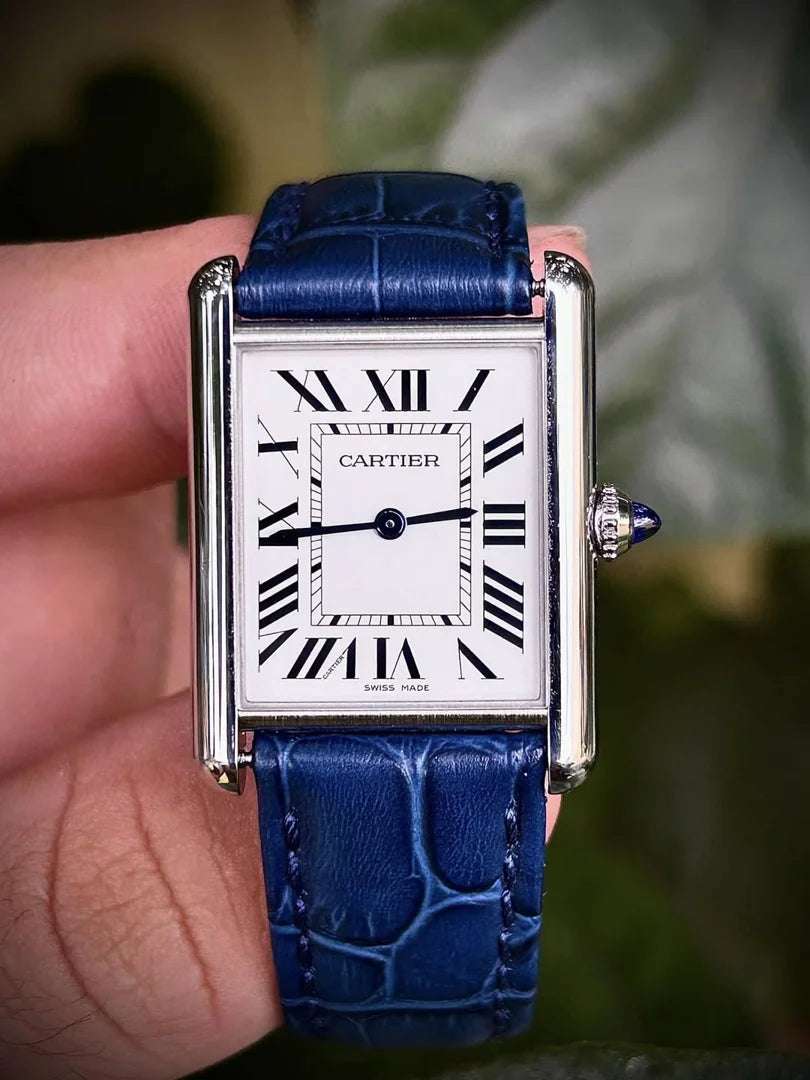
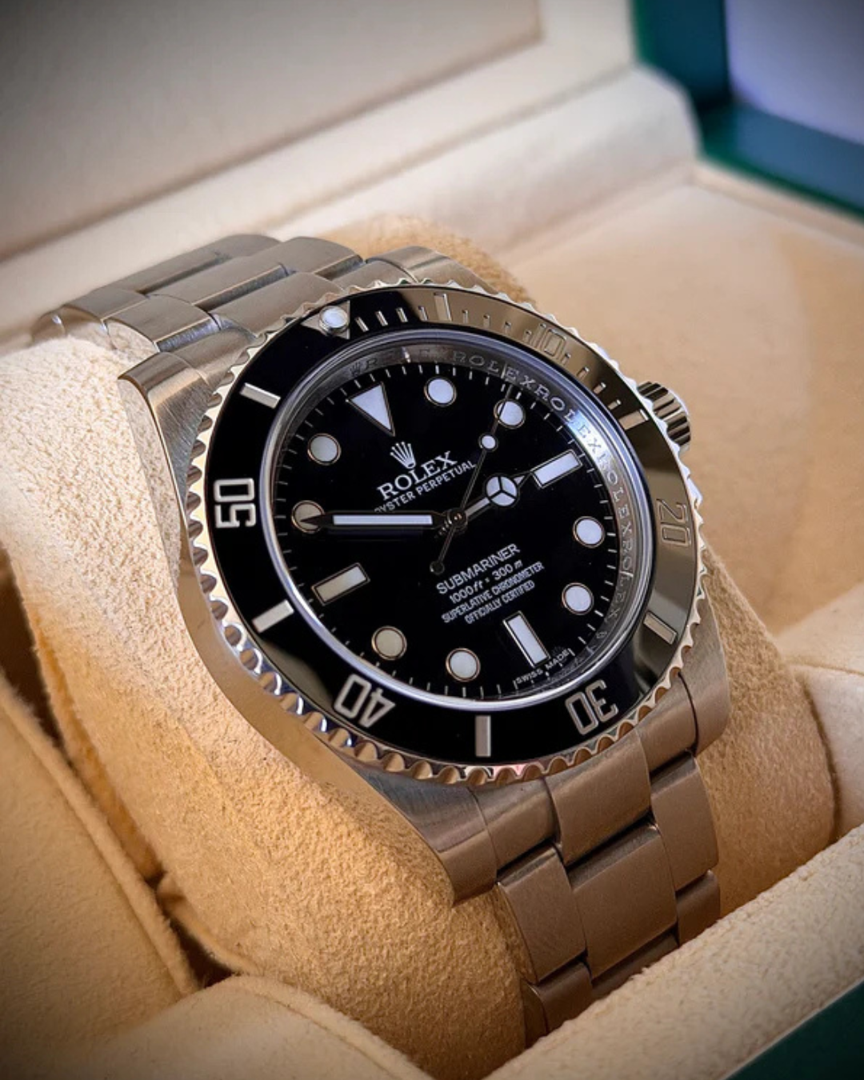
A good investment watch is usually one with steady demand, limited availability, strong brand recognition, and a clean ownership record. Rolex, Patek Philippe, Audemars Piguet, Cartier, Omega, Tudor, and selected independent makers can all perform well in the right model, condition, and buying circumstances. The important part is not chasing a name blindly. It is understanding the reference, the market, and the reason someone else may want that watch later.
At WristWorks, we look at watch investing from a practical Australian resale perspective. I'm Brad Purdy, founder of WristWorks, and I have spent years buying and selling luxury watches in the Australian pre-owned market. This guide explains where watches can work as an investment, where the risks sit, and how to approach the market with clear expectations.
How Luxury Watches Compare With Traditional Assets

When people ask whether buying watches is a good investment, they are often comparing them with shares, property, gold, or other tangible assets. Watches sit in a different category. They are portable, wearable, collectible, and enjoyable to own, but they do not produce income and they can take time to sell.
That makes them better suited to patient collectors than short-term speculators. A well-bought watch can preserve value and sometimes grow strongly, but the result depends on the model, purchase price, condition, and market timing.
| Asset Class | Liquidity | Volatility | Growth Potential | Selling Friction |
|---|---|---|---|---|
| Luxury Watches | Moderate to low | Moderate | Strong for selected models | Higher |
| Gold | High | Low to moderate | Moderate | Lower |
| Shares | High | Moderate | Strong over long periods | Low |
| Property | Low | Low to moderate | Moderate to strong | Higher |
Watches are driven by brand strength, scarcity, collector confidence, and secondary-market demand. Shares are driven by business performance. Property is shaped by location, supply, lending conditions, and buyer demand. Gold is often treated as a defensive asset. Watches can complement those assets, but they should be one part of a broader financial picture.
Why Brand Power and Rarity Matter
The luxury watch market is top-heavy. A small group of brands tends to attract most of the attention from collectors and repeat buyers. Rolex, Patek Philippe, and Audemars Piguet remain the most recognised names in the secondary market, while selected Cartier, Omega, Tudor, and independent pieces can also hold value well when bought properly.
Rarity matters, but rarity on its own is not enough. A watch also needs genuine demand. Some limited pieces are difficult to sell because the buyer pool is narrow. Others stay liquid because the design, brand, and reference have long-term appeal.
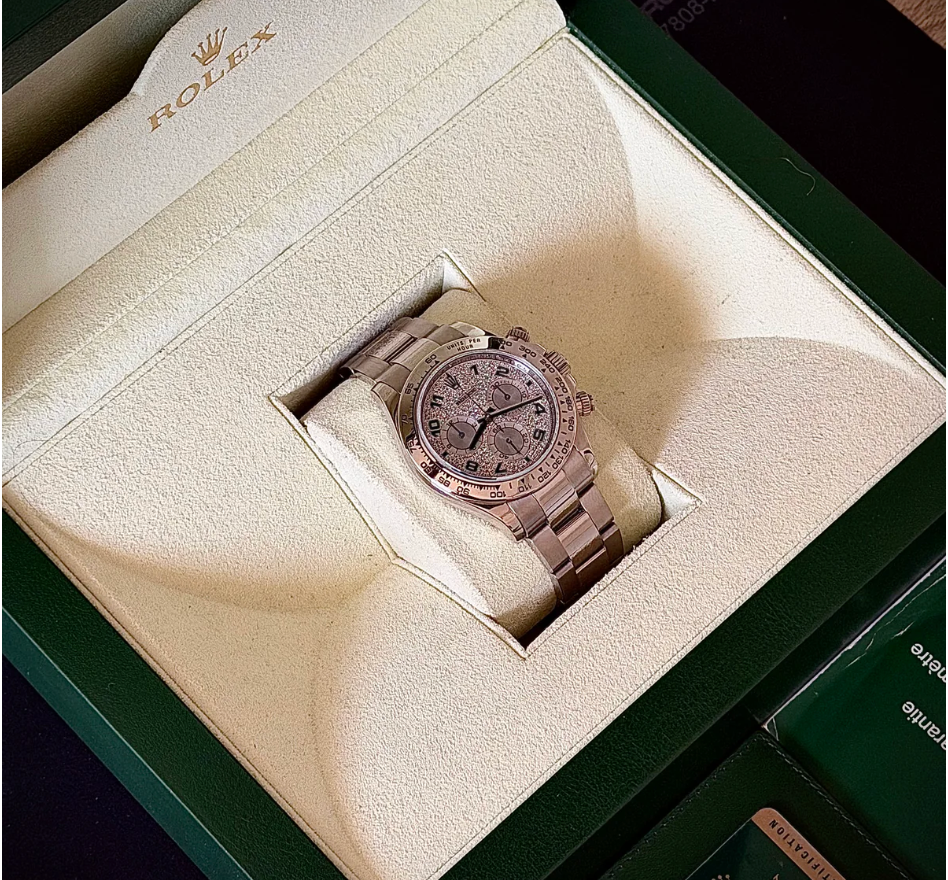
This is where model accuracy becomes important. A Rolex Daytona, an Omega Speedmaster, or a Cartier Santos should not be treated as one generic category. Reference, dial variation, production period, metal, bracelet, condition, and accompanying paperwork can all change the outcome. Our guide on Luxury Watches That Hold Their Value explains this in more detail.
The Current Market Outlook for Australian Buyers
The market today is more measured than it was during the recent peak. That is a positive development for buyers who want to make considered decisions. When hype fades, stronger references tend to become easier to assess on fundamentals such as condition, scarcity, and proven demand.
Australian buyers should also think locally. The right watch on an overseas marketplace may look attractive at first glance, but exchange rates, import duties, GST, shipping risk, and after-sale complications can affect the real value. A local Australian purchase through an established dealer can often make the process clearer and more secure.
Rather than focusing on broad market headlines, look at the exact piece in front of you. Ask whether the asking price is sensible, whether the condition matches the description, whether the model has an active resale market, and whether you would still be happy owning it if prices stayed flat for several years.
Comparing Watches With Gold, Shares, and Property
Watches are not as liquid as shares, and they are not as simple to price as gold. They can, however, offer something those assets cannot: daily enjoyment. That is part of their appeal, but it should not cloud the financial side of the decision.
If you buy the wrong watch, overpay, or need to sell quickly, the investment case weakens. If you buy a strong model at a fair price and hold it patiently, the outcome can be much more resilient. A balanced view is important, and this independent overview of Watch Investment Risks and Benefits is useful background reading.
A Practical Way to Buy, Hold, and Sell Investment Watches
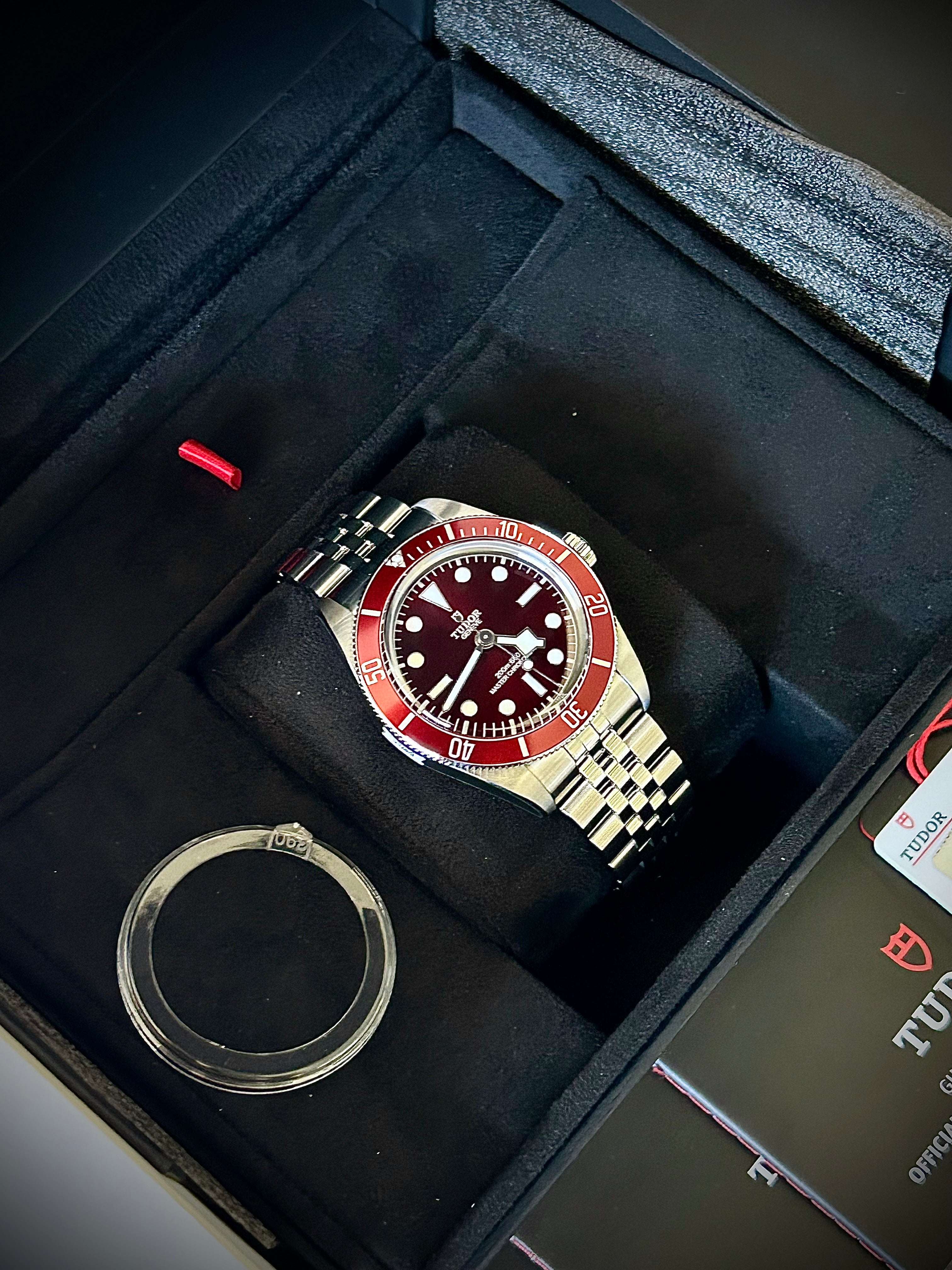
The best approach is simple: buy carefully, keep the watch complete, maintain it properly, and have a clear exit plan before you purchase. A watch may be beautiful, but if it is difficult to resell or poorly documented, it is harder to treat as an investment.
Key Risks: Liquidity, Maintenance, and Market Volatility
Before you buy, be honest about the risks.
- Liquidity: A watch can take time to sell, especially if it is highly specialised or the market is quiet.
- Maintenance: Mechanical watches need periodic servicing, and complex models usually require more careful upkeep.
- Condition: Scratches, over-polishing, missing links, damaged dials, and incomplete paperwork can all reduce buyer confidence.
- Storage and insurance: Higher-value watches need secure storage and appropriate cover.
- Market timing: Even strong brands move through cycles, so short holding periods can be risky.
Care also needs to suit the age of the watch. Polishing may be acceptable for some modern pieces when done professionally, but it is generally avoided for vintage watches because collectors often prefer original case lines.
For a balanced outside perspective, this Monochrome Watches Investment Editorial covers several of the risks worth considering.
Smart Entry Points for Beginners
For beginners, the safest starting point is usually the pre-owned market. Many new watches soften after purchase, while a carefully chosen pre-owned piece may already be trading closer to its natural market value.
That does not mean buying the cheapest example available. A watch with poor condition, missing papers, or unclear history can become expensive later. It is usually better to buy a cleaner example from a trusted Australian source than to chase a bargain that needs explanation when it is time to sell.
Full-set watches are easier to assess and usually easier to move on. Original box, papers, service records, spare links, and receipts all help support confidence. For many buyers, Tudor, Omega, and Cartier offer practical entry points because they combine strong brand recognition with active resale markets.
Selling Through a Direct-to-Dealer Approach
A good exit plan matters as much as the purchase. In Australia, selling directly to an established dealer is often the most straightforward path because it reduces the time, uncertainty, and security concerns that can come with private enquiries.
At WristWorks, direct-to-dealer outright sales are the primary recommended option for clients who want a clear and efficient result. We operate a 100% online model based in Perth, Western Australia, and own 95% of our inventory outright. Consignment is available as a secondary option for clients who prefer to test the market, with consigned pieces held securely by WristWorks and payments handled directly.
This structure keeps the process simple without positioning consignment as the main path. If you are thinking about selling or consolidating a collection, our guide to Selling Luxury Watches in Australia explains how to approach the local market with fewer surprises.
So, is buying watches a good investment? It can be, provided you buy selectively, think long term, and avoid treating every luxury watch as an appreciating asset. Start with models you understand, keep the watch complete, and make sure you have a practical selling route before you buy.
If you would like help assessing a watch or planning your next move, explore the WristWorks range or request a straightforward valuation from our Australian team.