How to Sell Luxury Watches Online in Australia Safely
Why Selling Your Luxury Watch Online in Australia Is Worth Getting Right
If you are thinking about selling a luxury watch online in Australia, the right process can make the experience simpler, safer, and much less stressful. This guide walks you through the practical steps to prepare your watch, understand its market position, and choose a trusted direct-to-dealer pathway.
Key Takeaways
- Start with a direct-to-dealer or outright sale if you want a clearer, more secure process.
- Gather the original box, papers, service records, spare links, and accessories before requesting a valuation.
- Use recent comparable sales and local Australian market context rather than relying on old retail prices.
- Be honest about condition, especially if the watch is vintage or has been polished.
- Confirm seller ID requirements, ownership transfer steps, and payment terms before sending your watch.
The Australian pre-owned luxury watch market has become more active as more collectors buy and sell online. That gives sellers more options, but it also means you need to be careful about pricing, buyer selection, and the details of the transaction.
Selling online does not need to feel complicated. With clear information and the right partner, you can move a quality timepiece securely and at a fair market value.
The main challenge is knowing what your watch is actually worth today. Some sellers undervalue a piece because they want the process over quickly, while others price it according to what they paid originally rather than what the current market supports.
I'm Brad Purdy, and before founding WristWorks I spent years in sales and finance. That background shaped how we approach high-value watch transactions: clear communication, careful checks, and a straightforward process for people looking to sell luxury watches online in Australia.
Step-by-Step Guide to Selling Luxury Watches Online in Australia
When you decide to sell luxury watches online, it helps to follow a simple process rather than rushing into the first offer you receive. A structured approach gives you a better sense of the market and helps you avoid unnecessary risk.
A good sale usually starts with a digital appraisal. This means sending clear photos and accurate details of your watch to a specialist who understands the Australian pre-owned market. Include the brand, model, reference number, condition, age, service history, and whether the full set is included.
For a useful price comparison, look at what similar models have actually sold for, not only what sellers are asking. Australian pricing can differ from overseas listings because local availability, taxes, exchange rates, and buyer demand all affect the final value.
How to Work Out the Value of Your Watch
The value of a high-end watch depends on a few practical details:
- Brand, model, and reference number: The exact reference matters. Two watches from the same brand can sit in very different parts of the market.
- Current demand: Some models move quickly, while others take longer to find the right buyer.
- Condition: Scratches, dents, missing links, replacement parts, and service history can all affect the offer.
- Completeness: A full set with the original box, papers, spare links, and accessories is usually easier to assess and present to buyers.
- Local market context: Australian demand, stock availability, and recent comparable sales all help shape a realistic expectation.
Preparing Your Watch Before You Request a Valuation

Before you list your watch or send it in for a valuation, gather anything that helps show its history and condition. This makes the process easier for both you and the dealer.
When you prepare to sell a pre-owned watch in Australia, look for:
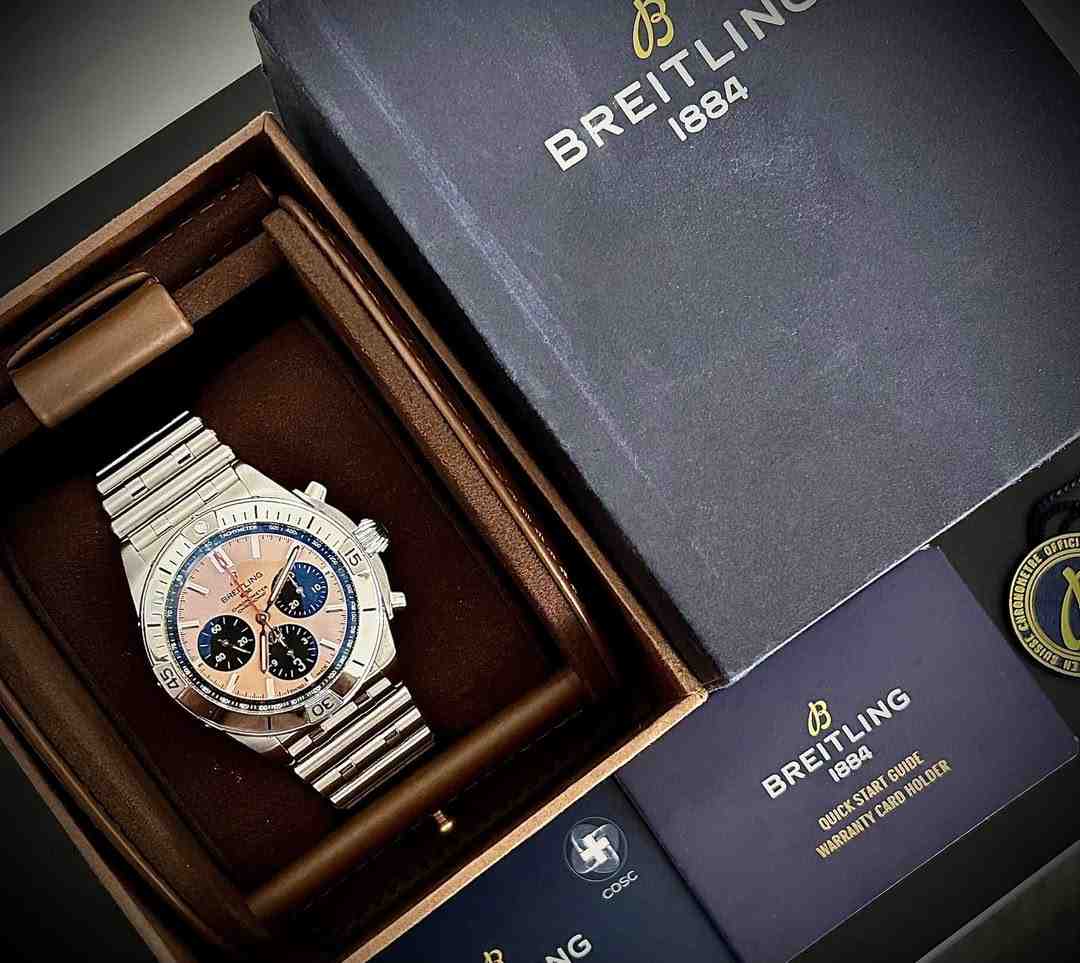
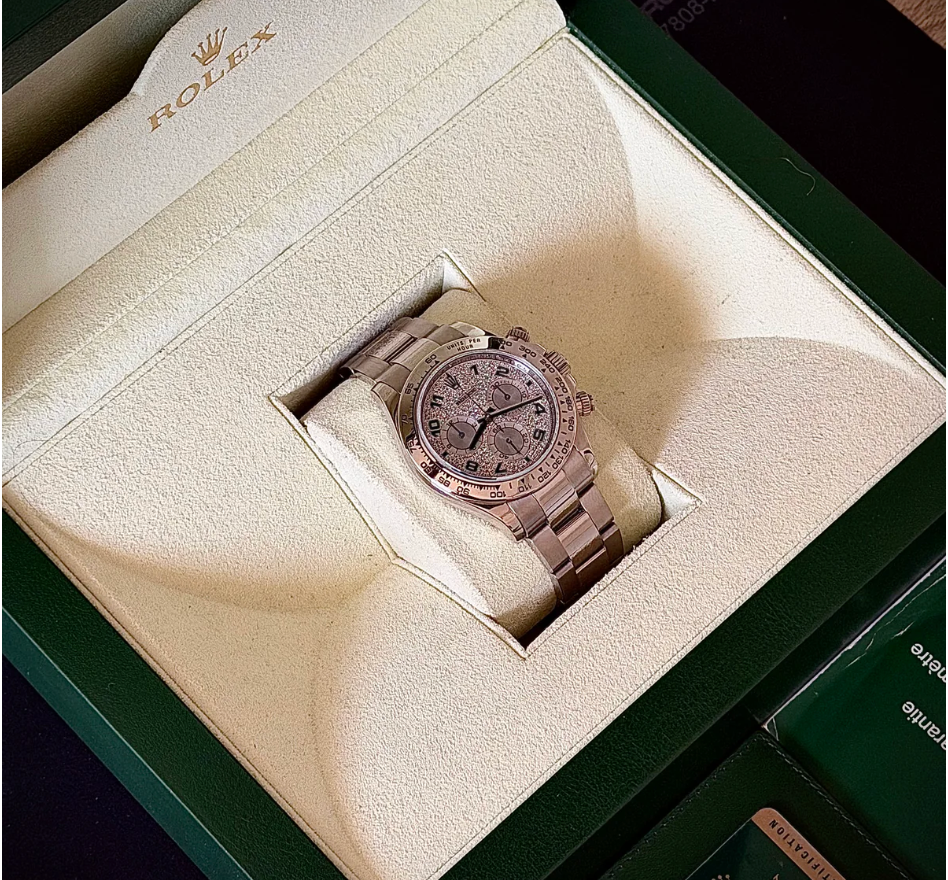
- The original box: Include both the outer box and the presentation box if you still have them.
- The papers: Gather the original guarantee card or certificate of origin, booklets, and manuals.
- Service records: Include receipts or service cards from authorised service centres.
- Spare links: Add any links removed when the bracelet was sized.
- Original accessories: Keep any tags, pouches, or cleaning cloths that came with the watch.
Condition is important, but preparation should suit the watch itself. For modern watches, light professional polishing may be acceptable if it has been done carefully. For vintage watches, polishing is generally avoided because collectors often value original lines, edges, and natural patina.
Choosing the Safest Way to Sell Your Watch Online
Once your watch is ready and you have a fair idea of its value, the next step is deciding how to sell it. For most Australian sellers, the safest and simplest option is a direct-to-dealer or outright sale with an established watch business.
Direct-to-Dealer vs Private Sale
A direct-to-dealer sale is usually the recommended path when you want a clear process. You receive an offer, send the watch for inspection, and receive payment once the details are verified. You do not need to manage listings, field repeated questions, or arrange meetings with strangers.
Private selling can be useful as a comparison point, but it often takes more time and carries more uncertainty. You are responsible for photos, enquiries, negotiation, buyer checks, and the risk of payment disputes.
| Feature | Direct-to-Dealer Sale | Private DIY Listing |
|---|---|---|
| Speed | Usually completed faster | Can take weeks or months |
| Security | Managed through a professional business | Depends heavily on the buyer |
| Convenience | Minimal work for the seller | Requires listings, messages, and negotiation |
| Price Outcome | Clear market-based offer | May be higher, but can be offset by time, fees, and risk |
| Process | Straightforward and documented | Often less predictable |
For a closer look at this option, read how to sell your luxury watch without the guesswork.
Where Consignment Fits
Consignment can suit sellers who are not in a hurry and want the dealer to market the watch on their behalf. It is a secondary option rather than the main path. The dealer holds the watch securely, handles buyer conversations, and transfers your share of the proceeds after the sale, minus the agreed commission.
The trade-off is time. A consigned watch may take longer to sell, especially if demand for that specific model is limited. If you prefer a more predictable process, an outright sale is usually easier to plan around.
Legal Requirements and Secure Payment in Australia
Selling second-hand goods in Australia involves state-based rules designed to reduce the trade of stolen property. In Western Australia, licensed second-hand dealers are required to verify seller identity and keep proper transaction records.
When finalising your sale, expect to provide:
- A valid government-issued photo ID, such as a driver's licence or passport.
- Proof of address.
- A signed form confirming the transfer of ownership.
For payment, choose a secure bank transfer or another agreed method that gives both sides a clear record. Avoid informal arrangements that are difficult to verify later.
Selling Your Watch with WristWorks
At WristWorks, we keep the process practical and transparent. We operate from Perth, Western Australia, and work online-first so sellers across Australia can request a valuation without visiting a boutique.
We are not a consignment-driven business. About 95% of the inventory we hold is owned directly by WristWorks, consigned pieces are held by us, and payments are handled directly. That structure helps keep the process clear for sellers who want a direct-to-dealer experience.
If you are ready to understand what your timepiece may be worth, you can submit a watch enquiry with your watch details, or contact WristWorks to talk through the best next step.