Beginner's Guide to Watch Buying
Why Every First-Time Buyer Needs a Watch Buying Guide
Buying your first serious watch is a significant milestone, often marking a personal achievement, a professional promotion, or a transition into a new phase of life. However, the process can quickly feel overwhelming for those without a roadmap. There are hundreds of brands, dozens of movement types, and more opinions online than you could read in a year. The terminology alone — complications, lug-to-lug, ATM ratings, COSC certification — can make it feel like you need an engineering degree just to choose a simple wristwatch.
A solid watch buying guide helps you cut through the noise and make a confident, informed decision. It is not just about the price tag; it is about understanding the value proposition of what you are putting on your wrist. Here is what you need to consider before you commit to a purchase:
- Movement type: Quartz for accuracy and low maintenance, automatic for mechanical craftsmanship, or manual for collectors who enjoy the ritual of winding.
- Style: Match the watch to your lifestyle — whether that is a dress, diver, field, pilot, or chronograph.
- Size: Proportions matter; most men's watches sit between 38-46mm, while most women's range between 26-36mm.
- Materials: Stainless steel is the most versatile starting point, while sapphire crystal offers the best scratch resistance for daily wear.
- Water resistance: Check the ATM rating against how you plan to use the watch, especially if you live near the coast or enjoy water sports.
- Budget: Set a realistic range first, then narrow down brands and models that offer the best value within that bracket.
- Where to buy: Prioritise dealers who are transparent about condition, provenance, and pricing.
- Maintenance: Automatic and mechanical watches typically need servicing every 4-7 years to ensure longevity and precision.
Watches are one of those purchases where a little research upfront saves a lot of regret later. The fundamentals are straightforward once they are explained plainly. The right watch is not necessarily the most expensive one, or the most talked-about on forums. It is the one that fits your wrist, suits your lifestyle, and holds its value in a way that makes sense for your situation. Many buyers find that their first purchase sets the tone for a lifelong collection, so getting the basics right is essential.
For buyers in Australia, there is an additional layer of complexity. The local pre-owned market is still maturing, authorised dealer wait lists can stretch for years on popular models, and private marketplaces carry real risks if you do not know what to look for. Navigating these waters requires a steady hand and a clear understanding of market trends. Local factors like GST, import duties on international purchases, and the availability of local service centres also play a role in the total cost of ownership.
I am Brad Purdy, founder of WristWorks, and I built this watch buying guide specifically for buyers who want straight answers without the sales pitch — drawing on years of experience buying, selling, and inspecting watches across the Australian market. By focusing on facts and quality, you can find a timepiece that serves you for decades. Read on and you will have everything you need to choose with confidence.
The Essential Watch Buying Guide: Movements and Styles
When you start your journey, the first thing you will encounter is the "engine" of the watch, known as the movement or calibre. This is the internal mechanism that drives the hands around the dial and powers any additional features. Understanding the nuances of these movements is a core part of any comprehensive watch buying guide, as it dictates both the price and the ownership experience.
Understanding Watch Movements
We generally categorise movements into three main types: Quartz, Automatic, and Manual. Each has its own appeal depending on whether you value pinpoint accuracy or mechanical soul.
| Feature | Quartz | Automatic | Manual (Hand-Wound) |
|---|---|---|---|
| Power Source | Battery | Kinetic (Wrist Motion) | Manual Winding |
| Accuracy | Extremely High | High (COSC standards) | High |
| Maintenance | Low (Battery change) | Service every 4-7 years | Service every 4-7 years |
| Hand Motion | Ticking (1 sec jumps) | Sweeping | Sweeping |
| Best For | Grab-and-go ease | Daily wearers | Purists & Collectors |
Quartz movements are powered by a battery that sends an electrical current through a small quartz crystal, causing it to vibrate at a precise frequency. They are incredibly reliable, often losing only a second or two per month. If you want a watch that is always ready to wear without adjustment, quartz is a practical and cost-effective choice. Many high-end brands still offer quartz models for their reliability and slim profiles, making them excellent for dress watches that need to be thin.
Mechanical movements (Automatic and Manual) are a different beast entirely. These rely on a mainspring that stores energy. In a manual watch, you turn the crown to wind that spring. In an automatic watch, a weighted rotor spins as you move your arm, winding the spring for you. These pieces are prized for their craftsmanship and the smooth "sweep" of the seconds hand. For a deeper dive into these mechanics, check out our guide from novice to watch nerd.
You may also see the term COSC chronometer certification. This is a prestigious Swiss testing standard ensuring a mechanical watch is accurate to within -4 to +6 seconds per day. While not essential for a great watch, it is a hallmark of precision engineering and often a factor in value retention. High-end mechanical watches are often viewed as pieces of wearable art, with intricate finishing on the gears and plates that can sometimes be seen through a transparent case back.
Choosing the Right Style in Your Watch Buying Guide
Your lifestyle should dictate the style of watch you buy. A delicate dress watch might look stunning at a wedding, but it won't survive a weekend at the beach in Perth. According to The Ultimate Watch Buying Guide by Timex, there are five primary categories to consider:
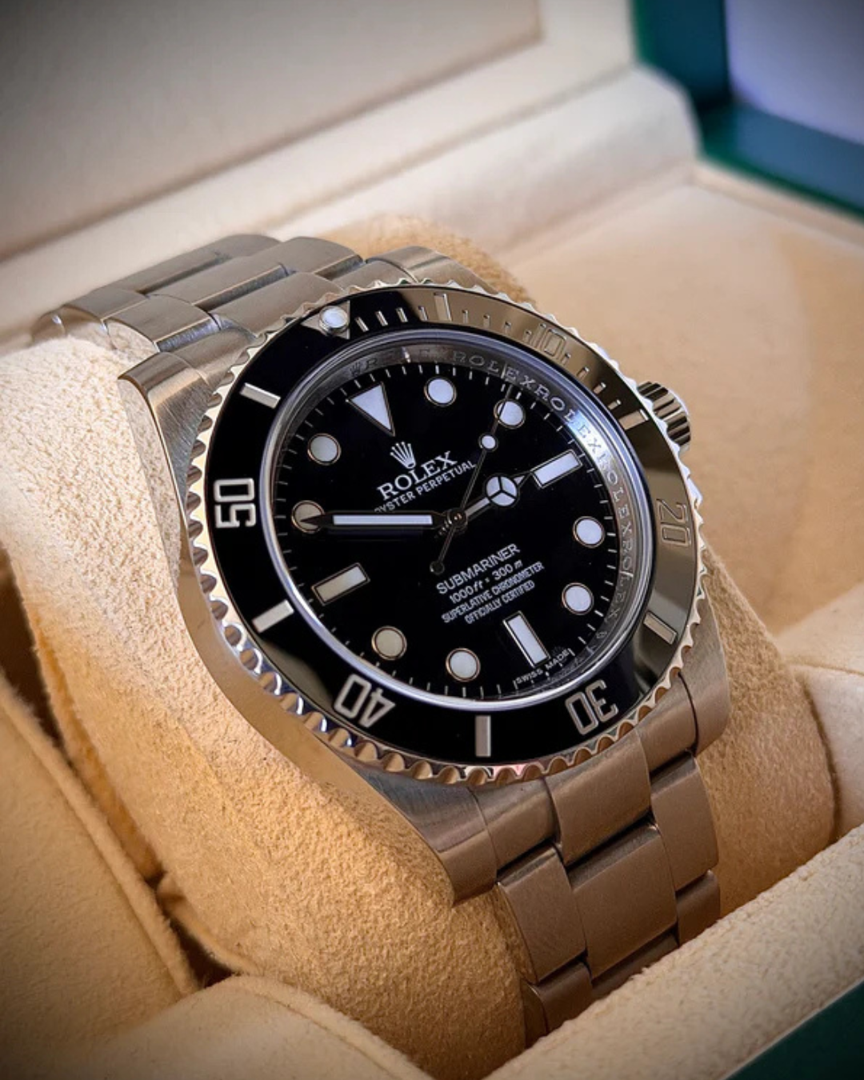
- Diver Watches: Originally built for professional divers, these are now the most popular "tool watches" in the world. They feature robust cases, high water resistance, and a rotating bezel to track elapsed time. They are incredibly versatile, looking just as good with a suit as they do with a t-shirt. Icons like the Rolex Submariner or Omega Seamaster define this category.
- Dress Watches: Minimalist, thin, and elegant. These are designed to slide easily under a shirt cuff. Usually paired with a leather strap, they focus on telling the time simply and beautifully. They often lack a seconds hand or date window to maintain a clean aesthetic and are the preferred choice for formal events.
- Field Watches: Born in the trenches of WWI, these are rugged, legible, and functional. They often feature canvas or NATO straps and are built to handle the outdoors. They favour matte finishes to avoid reflections and are known for their durability and military heritage.
- Pilot Watches: Known for large, easy-to-read dials and oversized crowns (originally so pilots could adjust them while wearing gloves). They often include GMT functions for tracking multiple time zones, making them ideal for frequent travellers who need to keep track of home time.
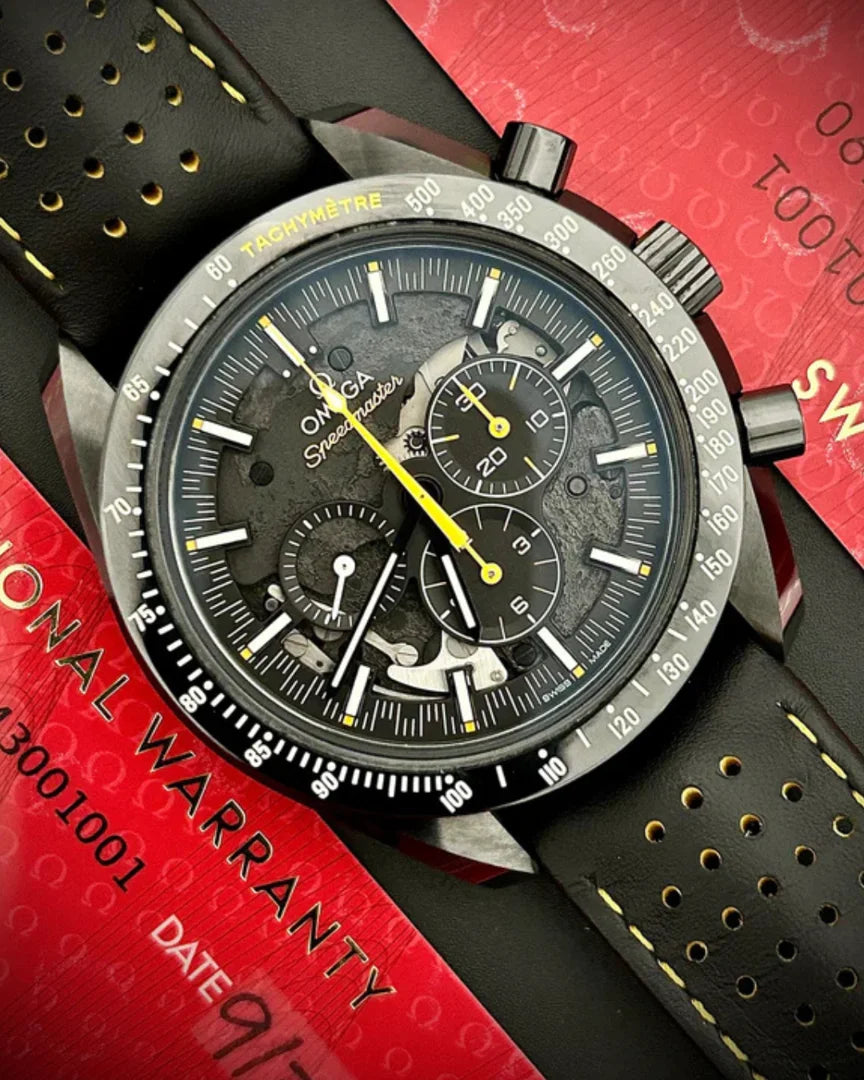
- Chronographs: These are watches with a built-in stopwatch function, usually identified by two or three small subdials. They have strong ties to motor racing and aviation, offering a technical look that many collectors favour. The Omega Speedmaster, famously worn on the moon, is the most iconic example of this style.
Making an Informed Purchase: Size, Materials, and Value
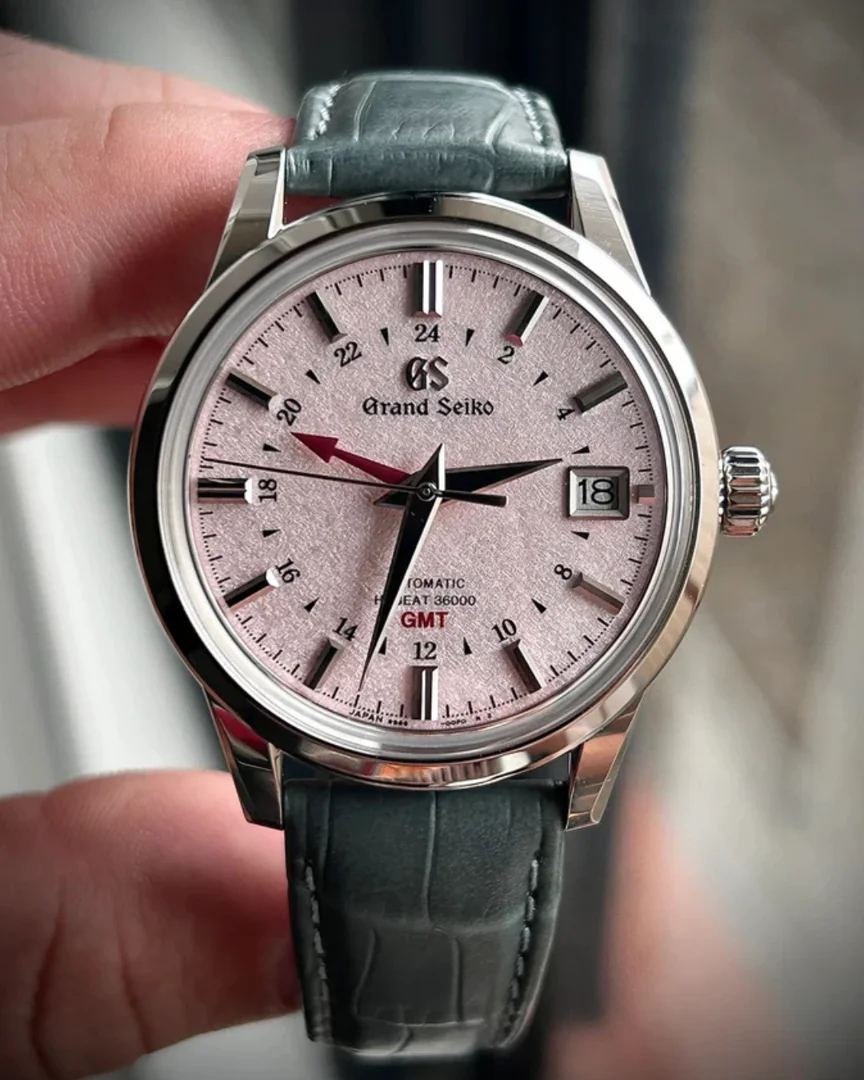
Once you have settled on a style, the next step in our watch buying guide is ensuring the watch actually fits your body and your habits. A watch that is uncomfortable or poorly proportioned will inevitably end up sitting in a drawer, regardless of its prestige or price point.
Finding the Perfect Fit and Case Size
Watch size is measured by the case diameter (usually in millimetres). While trends change, there are some standard ranges that work for most people. Men’s watches typically fall between 38mm and 46mm, while women’s watches usually range from 26mm to 36mm. However, diameter isn't everything. You must also consider "lug-to-lug" distance — the measurement from the top tip of the watch frame to the bottom tip. If the lugs overhang your wrist, the watch is too big. For more tips on finding the right proportions, see our article on how to choose a watch for a man.
If you are buying online, we recommend measuring your wrist circumference first. A 40mm watch is a "Goldilocks" size for many, fitting comfortably on a variety of wrist shapes. Wrists can swell in the heat of an Australian summer, so look for bracelets with micro-adjustment features that allow you to tweak the fit on the fly without tools. You can find more advice in our complete guide to buying watches online.
Materials and Complications That Matter
The materials used in a watch affect its weight, durability, and how it ages over time.
- Stainless Steel: The industry standard. It is durable, corrosion-resistant, and can be polished to look new again. Most luxury brands use 316L or 904L steel for superior finish and lustre.
- Titanium: Lighter and stronger than steel, with a darker, matte finish. It is also hypoallergenic, making it a great choice for those with sensitive skin or those who prefer a watch that "disappears" on the wrist.
- Ceramic: Used frequently for bezels because it is virtually scratch-proof, though it can crack if dropped on a hard surface. It maintains its colour and lustre indefinitely, never fading under the harsh Australian sun.
- Sapphire Crystal: This is the "glass" over the dial. Always look for sapphire over mineral glass if your budget allows; it is incredibly difficult to scratch and provides excellent clarity.
Complications are any features beyond basic timekeeping. A simple date window is the most common and useful. For those who travel, a GMT hand allows you to track a second time zone. When looking at Omega watches or icons like the Cartier Tank, you will see how these features are integrated into the design. Water resistance is another critical factor. Ratings are given in ATM (atmospheres). 3 ATM is splash-proof, 10 ATM is suitable for swimming, and 20 ATM is required for serious diving. Never take a watch with a 3 ATM rating into the pool, as the seals are not designed for submersion.
Budgeting and Brand Value in Your Watch Buying Guide
Setting a budget is personal, but understanding where the value lies can help you spend wisely.
- Entry-Level: You can find excellent mechanical pieces from brands like Seiko, Tissot, and Hamilton.
- Mid-Tier: This is where you find "entry-level luxury" from brands like Tudor, Oris, and Longines.
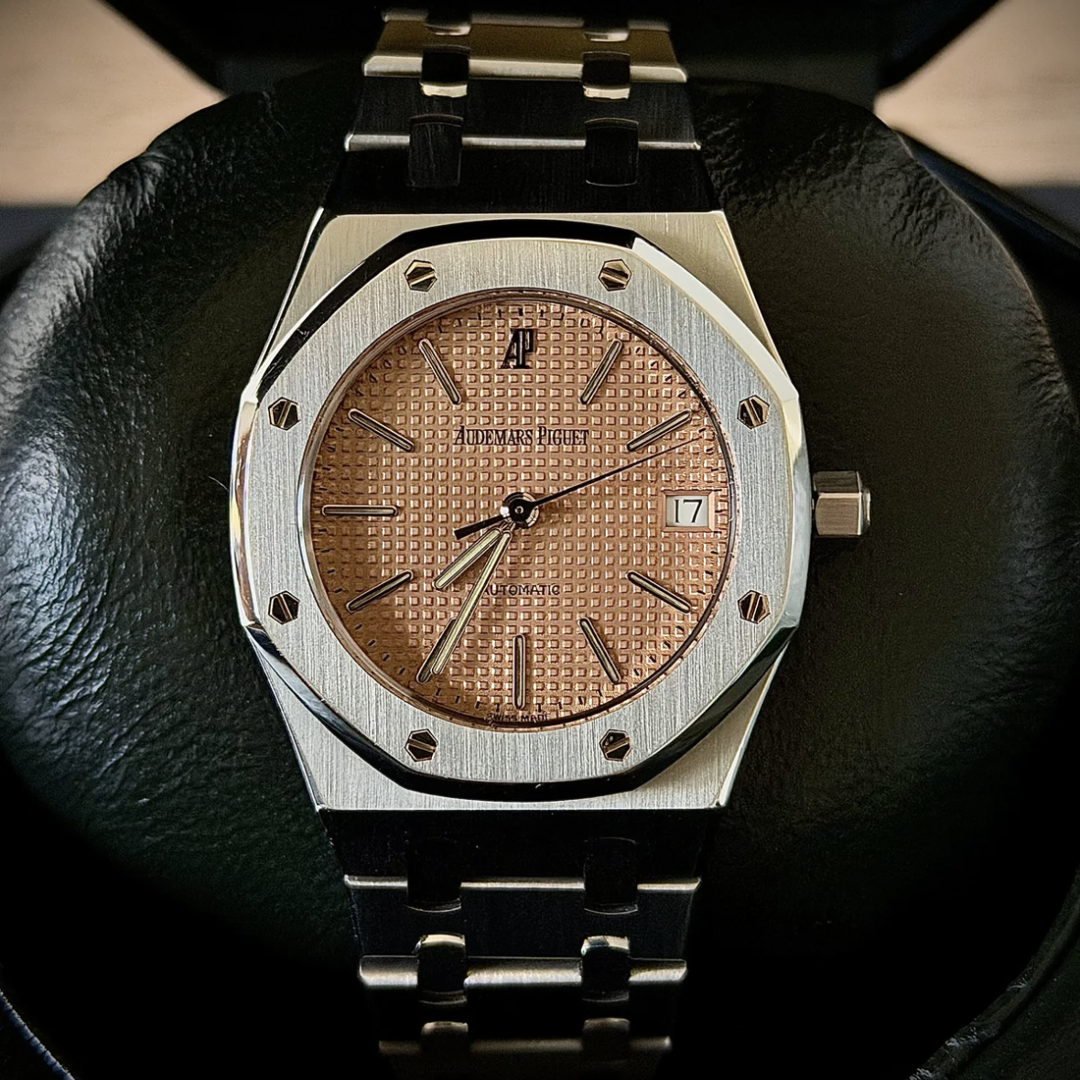
- Luxury: This is the realm of Rolex, Omega, and Cartier, where craftsmanship and brand heritage command a premium.
When buying at the luxury level, consider the "full set." A watch that comes with its original box and papers typically holds its value much better than a "naked" watch. In the Australian market, brands like Rolex and certain Omega models have shown strong value retention, making them a safer place to put your money. For more on this, read our luxury watch investment guide.
Where to Buy and How to Maintain Your Timepiece
Where you buy is just as important as what you buy. Many buyers begin with a DIY approach, scouring private marketplaces or auction sites. While these can occasionally offer lower prices, they come with significant risks regarding the condition and provenance of the piece. In contrast, a direct-to-dealer model offers a level of security and convenience that private sales cannot match.
At WristWorks, our primary service is the outright sale of luxury timepieces. We own 95% of our inventory, meaning every watch has been physically handled, inspected, and vetted by our team before it ever reaches our website. This removes the uncertainty of dealing with anonymous sellers or waiting for a middleman. While we do offer consignment as a secondary service for specific high-value pieces, these items are always held in our possession and managed directly by us, ensuring the same high standards of customer satisfaction and secure payment handling.
Once you have your watch, maintenance is key to its longevity. Wipe your watch down with a soft cloth after wearing it to remove oils and salt. Mechanical watches are like car engines; they need fresh oils and timing adjustments every 4 to 7 years. Regarding aesthetics, modern watches can be polished to remove scuffs and restore their shine. However, we generally advise against polishing vintage pieces, as collectors value the original "sharp" edges of the case and over-polishing can diminish the value.
Buying a watch should be an enjoyable milestone. By focusing on your personal style and doing your due diligence on the seller, you can find a timepiece that will last a lifetime. If you are ready to find your first (or next) luxury timepiece, we invite you to explore our current collection. At WristWorks, we specialise in making the process of buying a high-quality watch simple, secure, and honest.
Explore Our Full Collection of Luxury Watches Contact Us for a Personal Consultation