Tick Tock: A Beginner's Guide to Luxury Watch Investing

Luxury watch investing can be a rewarding long-term interest, but it is not a shortcut to easy returns. For an Australian beginner, the sensible starting point is to buy a watch you genuinely want to wear, understand its condition and history, plan for a patient hold, and know that a direct-to-dealer or outright sale is a clear option if you later choose to exit.
Key Takeaways
- Treat a first watch as a long-term holding rather than a quick trade.
- Favour established models with broad collector interest, clear documentation and straightforward resale demand.
- Buy condition, completeness and provenance before chasing a fashionable dial, complication or limited release.
- Compare the current Australian market carefully, and use sources such as the Knight Frank Wealth Report for broader context on collectible assets.
- Keep records from the day you acquire the watch, including photographs, service information and supporting documents.
Building Your First Watch Investment Plan
A beginner’s guide to luxury watch investing should begin with a realistic goal. Are you looking for a daily watch that should remain easy to sell later, a small collection built around particular designs, or a more specialised long-term holding? Your answer shapes every decision that follows.
Watches differ from shares, term deposits and property because they do not produce income while you own them. Their future value depends on collector demand, the model, the condition of the individual piece and the quality of its supporting paperwork. That makes research and patience more important than trying to predict the next trend.
The Australian market is connected to global demand, but local availability and buyer preferences still matter. A familiar steel sports watch, a classic dress design or an established chronograph will usually be easier to understand and resell than a highly unusual piece from a thinly traded niche. Start narrow, learn how the category behaves, then expand only when you can explain why a particular watch suits your plan.
A Beginner’s Guide to Luxury Watch Investing: Set a Comfortable Scope
Decide what you can own comfortably for several years without relying on an immediate resale. Allow for secure storage, insurance and future servicing. The aim is to give yourself enough flexibility to make a considered decision rather than accepting the first available example.
For a first purchase, it can help to choose one clear lane:
| Starting Point | What to Look For | Why It Can Suit a Beginner |
|---|---|---|
| Classic everyday watch | Versatile size, durable materials and an established design | Easier to wear regularly and explain to a future buyer |
| Recognised sports model | Long-running model family and broad collector interest | Clearer market evidence and more comparable listings |
| Iconic dress watch | Timeless design and well-kept original details | Suits collectors who value design history over short-term movement |
| Specialist piece | A model you understand deeply | Better saved for later, once you know its buyer base |
Avoid letting social media decide for you. A watch that looks compelling in a short video may wear very differently on the wrist, and a sudden online trend may not translate into lasting demand. Try comparable case sizes where possible, study detailed images and ask for clear condition information before committing.
Choose Models With Depth, Not Noise
Brand recognition alone is not enough. Within any major maker, some models are easier to follow because they have long production histories, established collector communities and regular trading activity. These are generally more practical places to learn than a new release with little market history.
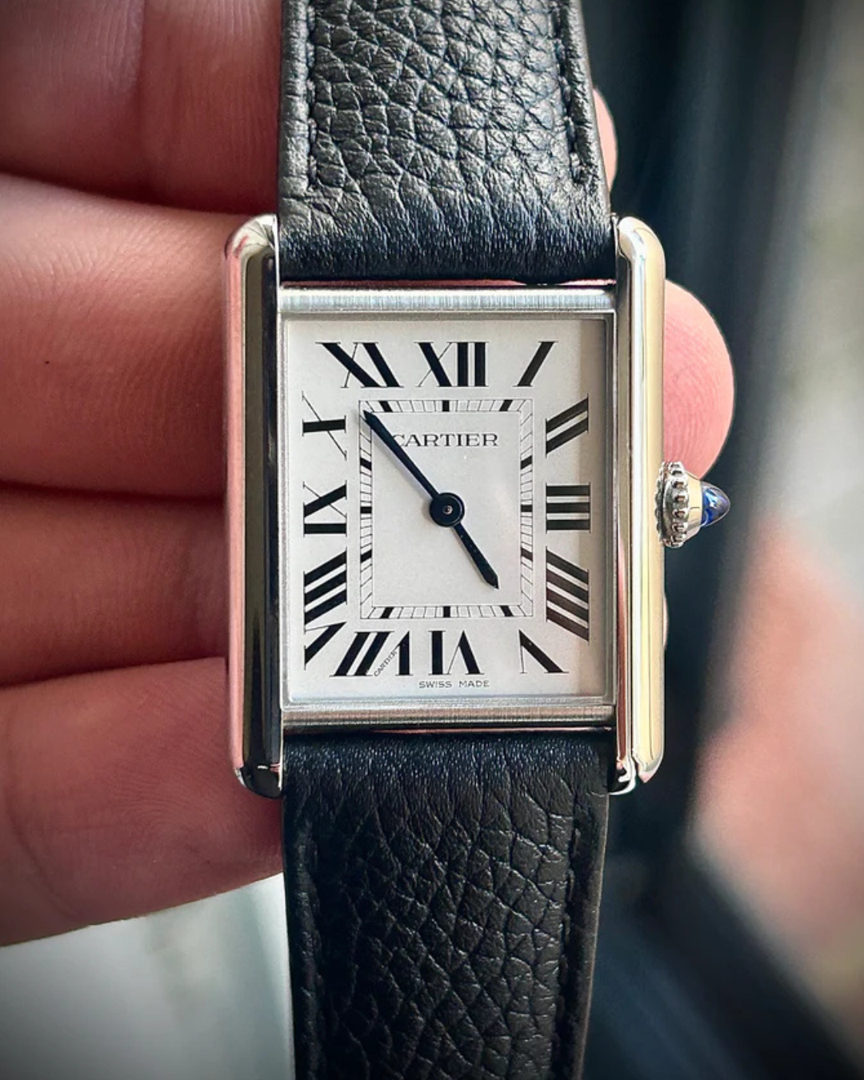
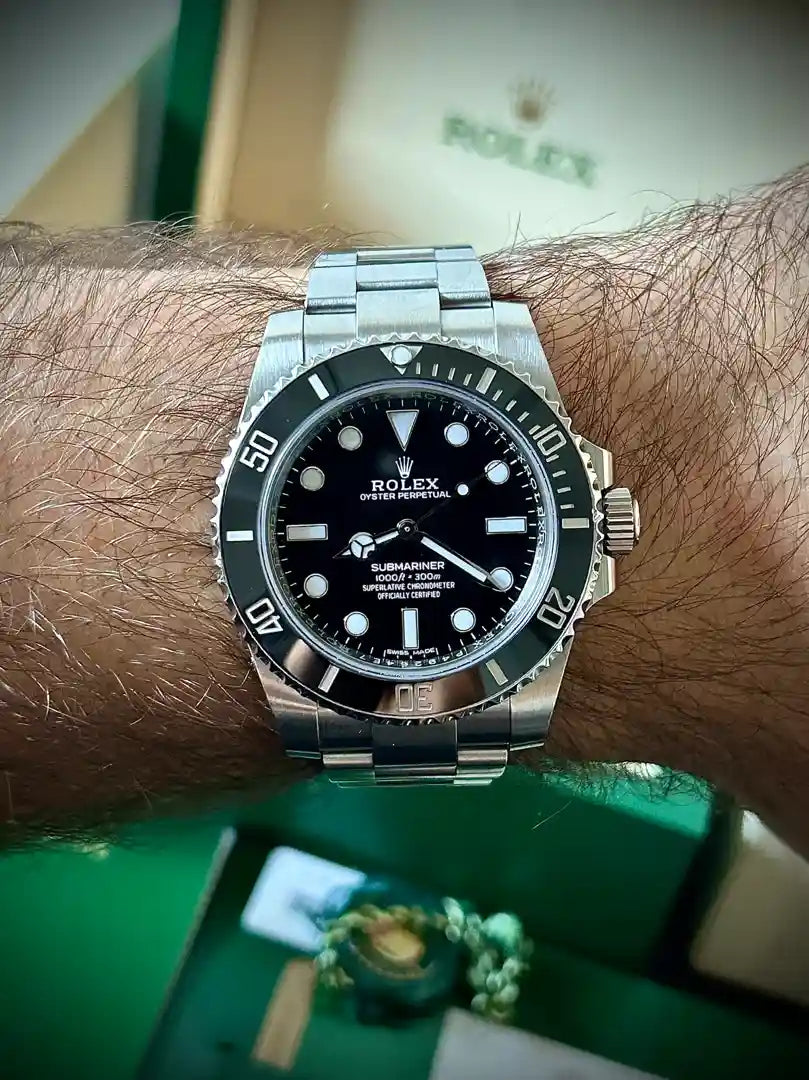
Examples often considered by new collectors include the Rolex Submariner, Rolex Datejust, Rolex GMT-Master II, Omega Speedmaster Moonwatch Professional, Tudor Black Bay Fifty-Eight and Cartier Tank Must. They serve different tastes and use cases, so they should not be treated as interchangeable recommendations. Use them as reference points for comparing size, style, service requirements and buyer demand.
A useful rule is to prefer a well-documented, well-preserved example of a familiar model over a compromised example with an attention-grabbing story. Ask whether the dial, hands, bracelet and clasp are correct for the watch’s period, whether its identifying details align with its paperwork, and whether its service history is clear.
Buy Through a Channel You Can Evaluate
Each buying channel carries different trade-offs. An authorised retailer may offer a straightforward route to a current model, although availability can be limited. A specialist pre-owned dealer can provide access to discontinued models and make it easier to compare condition, accompanying documents and market context. The Deloitte Swiss Watch Industry Study is useful background on the importance of trust and transparency in the wider watch market.
Auction houses, private listings and online marketplaces can appear tempting, particularly when a listing looks unusual or urgent. For a beginner, these channels require more independent assessment of condition, seller information, transport and the practicalities of resolving a dispute. They are best viewed as comparison points rather than default routes. A clear dealer process and a properly described watch can reduce avoidable uncertainty.
If you are considering a pre-owned watch, look beyond the headline listing. Request close photographs of the case, bezel, dial, hands, bracelet, clasp and movement where appropriate. Read the description for mention of refinishing, replaced parts and service work. A complete set of documents is helpful, but it should support the condition assessment, not replace it.
Putting Your Investment Plan Into Practice

Once you have narrowed your shortlist, slow the process down. The strongest decision is usually supported by a consistent inspection process, a clear record of the watch’s condition and a realistic idea of how you would exit the holding if your priorities change.
Use a Condition Verification Checklist
Condition is not a single label. It is the combined result of how the case, dial, movement, bracelet and paperwork have been cared for over time. Use the same checklist for every candidate so you can compare like with like.
- Case geometry and finishing: Look at the lugs, edges, bevels and brushed surfaces in close detail. Light professional polishing can be acceptable on a modern watch when it preserves the intended shape. With vintage watches, original case lines are usually more important, and further polishing is generally best avoided.
- Dial and hands: Check that the printing, markers and hands are consistent with the reference and production period. Look for signs of moisture, uneven ageing, relume work or replacement components, then decide whether those details are acceptable.
- Movement and function: Ask for clear service information and assess how the watch winds, sets and runs. For watches with a date or additional functions, confirm that these operate correctly.
- Bracelet and clasp: Examine stretch, wear at the links, correct clasp codes and the fit of any replacement links. A bracelet can affect daily comfort and the completeness of the watch.
- Documents and records: Retain sales paperwork, service records, photographs and correspondence. These records make it easier to understand the watch’s history later and help a future buyer assess the piece.
Do not rush this stage because a watch is described as rare or because someone else is interested. A sound purchase is one you can explain clearly: what it is, what condition it is in, what has been done to it and why it fits your plan.
Manage Ownership Carefully
Store the watch securely, keep documents together and photograph it before and after service work. If you wear it regularly, treat normal marks as part of ownership but avoid unnecessary alterations that change its original appearance.
Service according to the watch’s performance and the maker’s guidance, rather than a fixed calendar rule. Keep notes about work completed and any components changed, especially for older watches where original elements may matter greatly to collectors.
Review your collection occasionally. If a watch no longer suits you, or your interest has moved elsewhere, a considered sale can be part of a disciplined collecting approach.
Plan Your Exit Before You Need It
When you decide to sell, direct-to-dealer or outright sale is generally the clearest first option. It gives you a defined process rather than the additional coordination of a private listing, multiple buyer negotiations or an auction. Keep your records ready, describe the watch accurately and be open about condition and service history.
Consignment can be useful as a secondary option for an especially niche piece when you are comfortable waiting for the right buyer, but it should not replace a clear outright-sale comparison. Private marketplaces and auctions can involve more uncertainty around communication, presentation and follow-through, so they are best weighed against a dealer-led process rather than treated as the default.
WristWorks focuses on clear, direct transactions for quality timepieces. If you are building your knowledge before a first purchase, explore our luxury watch investment guide. When you are ready to discuss a watch you own or are considering, contact WristWorks.