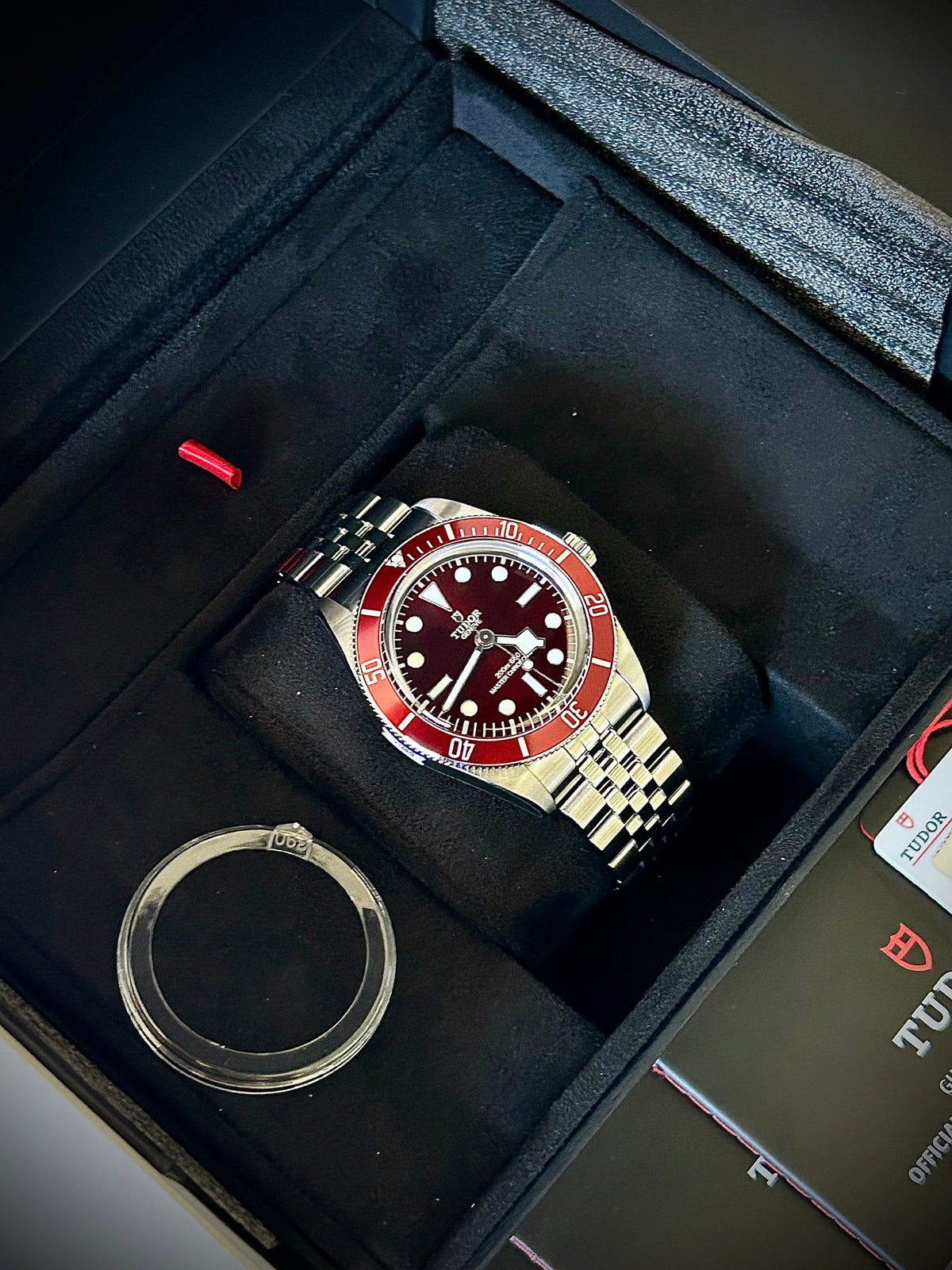
How to Consign Your Watch in Australia
Introduction to Australian Luxury Watch Consignment
If you are working out how to consign a watch in Australia, start by comparing it with a direct-to-dealer outright sale. An outright sale is usually the simpler and more secure first step because you receive a clear purchase figure after inspection, while consignment is a secondary option for owners who are comfortable waiting for the right buyer.
Key Takeaways
- Begin with an outright sale assessment before considering consignment, especially if speed and certainty matter.
- Gather the box, papers, service records, reference details, and clear photos before you request a valuation.
- Make sure custody, insurance, timing, return terms, and payout arrangements are documented before handing over your watch.
- Consignment may suit selected pieces, but the final result depends on buyer demand and market timing.
- If you want a straightforward starting point, you can sell your watch directly through WristWorks.
Start with an Outright Sale, Then Consider Consignment
For most Australian owners, the safest sequence is to request a direct-to-dealer outright sale assessment first. This gives you a firm purchase figure after physical inspection and removes the uncertainty of waiting for a retail buyer.
At WristWorks, 95% of inventory is owned directly by WristWorks, all consigned pieces are held by WristWorks, and payments are handled directly. Consignment is available only as an auxiliary pathway, not the core of the business.
A practical process usually starts with the primary route:
- Request an outright offer: Provide clear photos, the reference details, serial information where appropriate, and details of the complete set.
- Complete physical intake: Send the watch by insured courier or arrange secure delivery to WristWorks in Perth, Western Australia.
- Undergo condition verification: The watch is inspected, checked on a timing machine, and reviewed for case, dial, bracelet, and movement condition.
- Agree on the purchase figure: Once inspection is complete, the outright sale gives you a defined amount without waiting for a retail buyer.
- Consider trade-in if upgrading: If you are moving into another piece, trade equity can be simpler than selling separately.
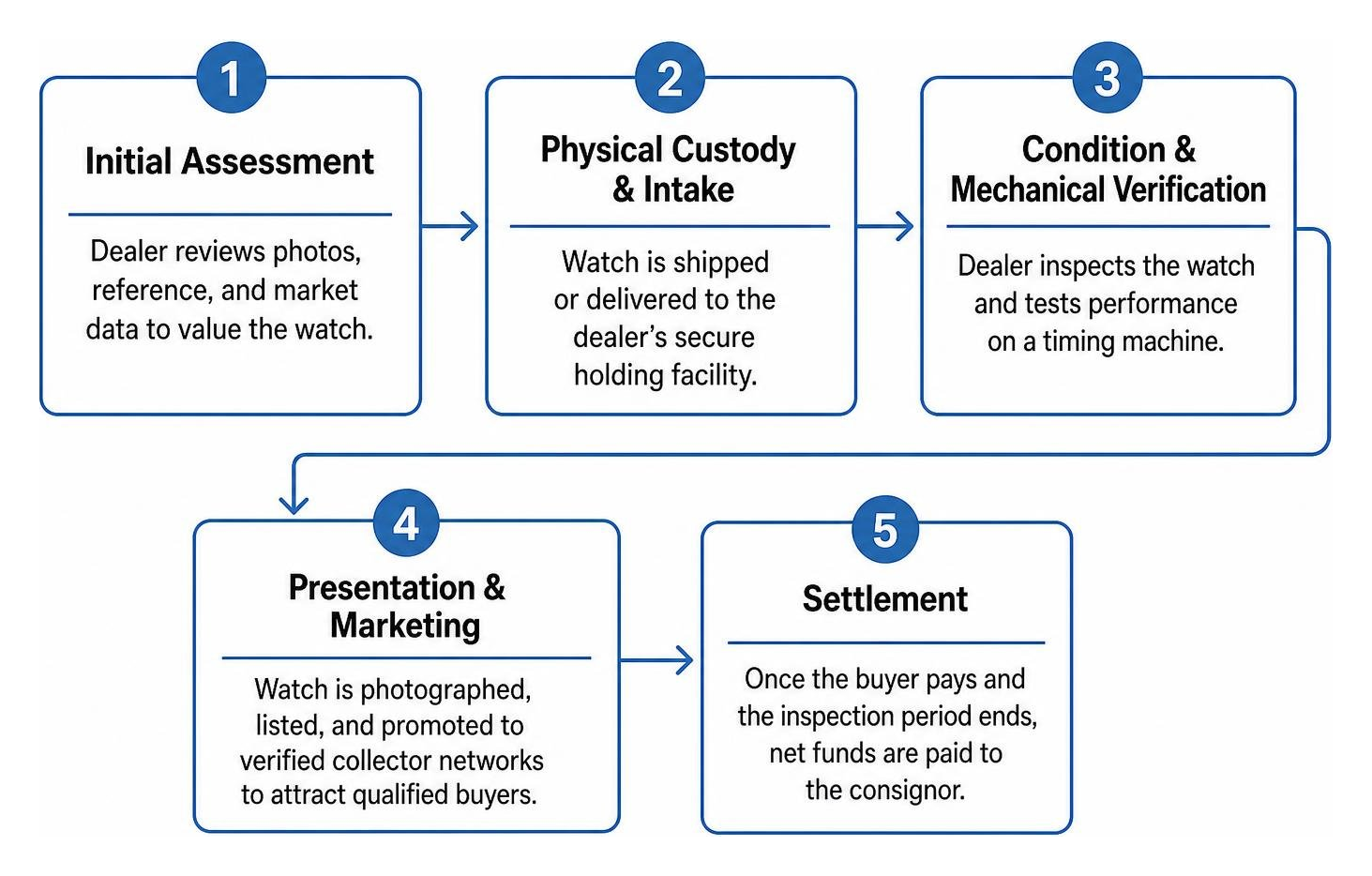
Only after reviewing the outright pathway should you decide whether consignment suits your timeframe. If it does, the process should be clear from the start:
- Initial assessment: The dealer reviews photographs, reference numbers, condition notes, and current Australian secondary market activity.
- Physical custody and intake: The watch is delivered to the secure holding facility in Perth, Western Australia.
- Mechanical and condition checks: Timing results, case condition, bracelet stretch, dial condition, and movement performance are reviewed.
- Presentation and marketing: The watch is photographed, described accurately, and presented to suitable Australian collectors.
- Settlement: Once a buyer completes the purchase and the inspection period concludes, the agreed net payout is transferred to the consignor.
Preparing Your Watch: Verification and Documentation
Good preparation improves both an outright offer and a consignment outcome. A complete, well-documented set helps a dealer assess the watch efficiently and reduces uncertainty during intake.
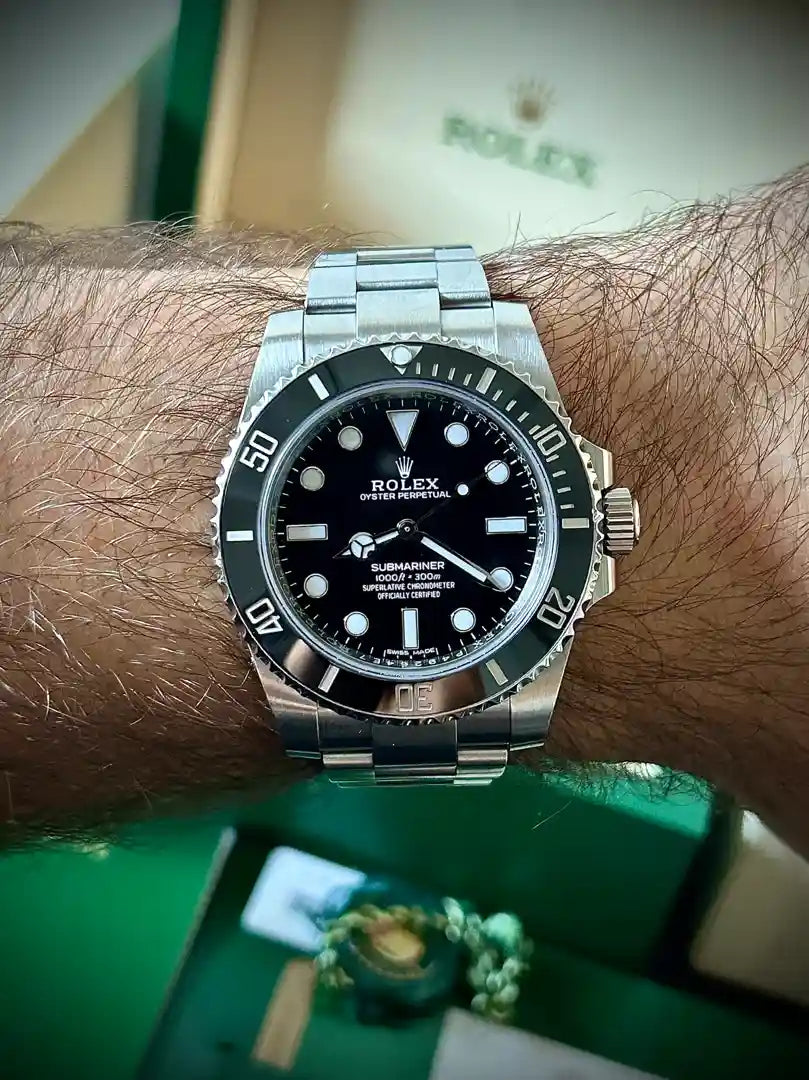
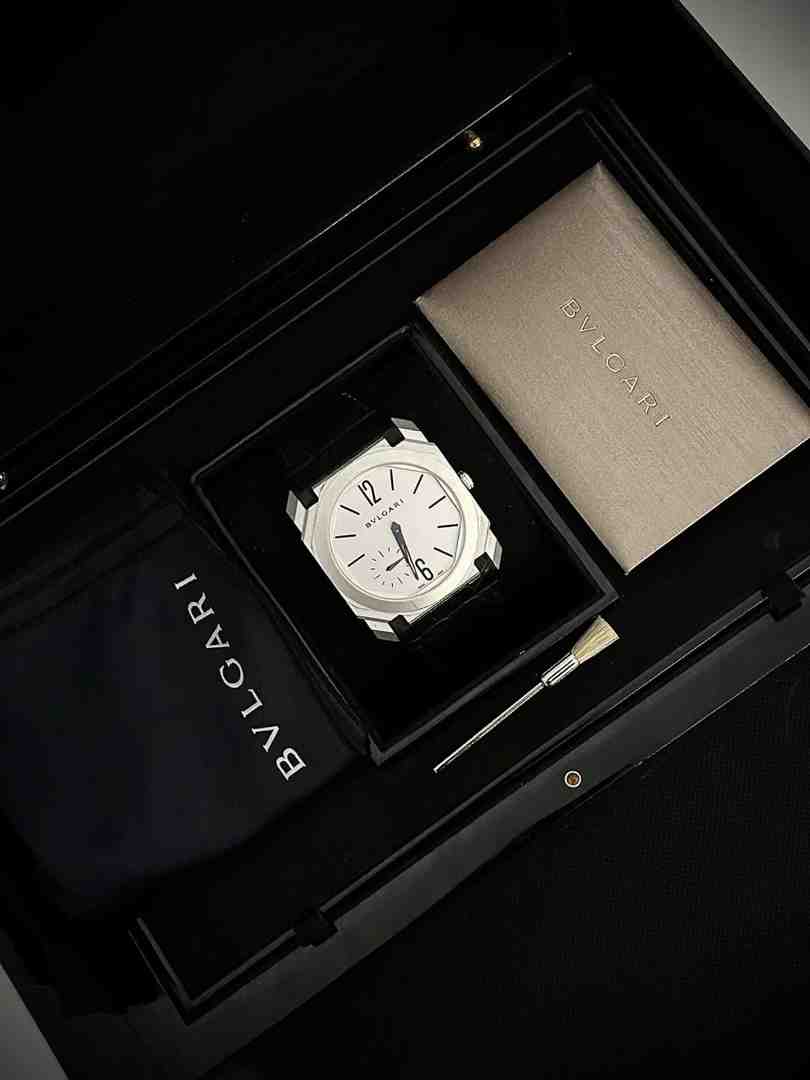
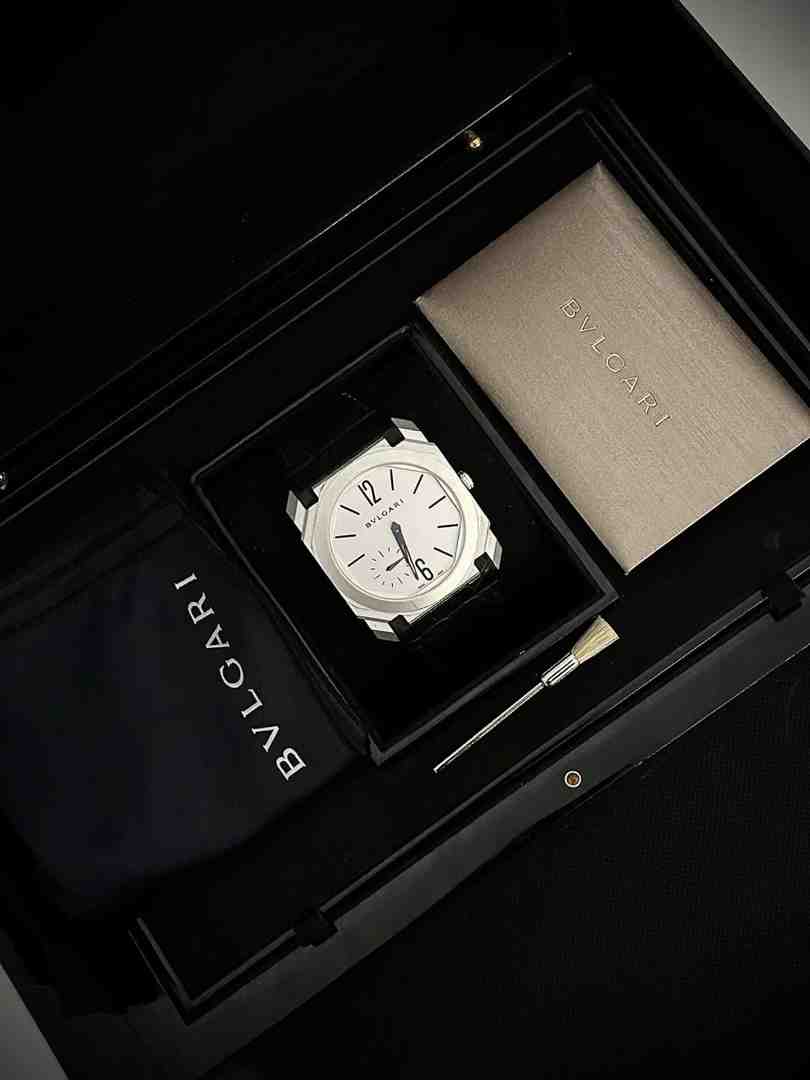
Before you enquire, gather the factory box, outer packaging, instruction booklets, hangtags, original guarantee card or certificate, and any service records. For example, a Rolex Submariner Date 126610LN with its original 2022 guarantee card will usually be assessed differently from an incomplete set. For model details, you can review the official Omega Speedmaster Professional specifications.
Clean the watch gently with a microfibre cloth before sending photos. For modern luxury watches, light cosmetic polishing during an overhaul can restore factory finishes. For vintage pieces, polishing is generally avoided because collectors often favour original case lines, bevels, and chamfers.
Before entering any secondary consignment agreement, read WristWorks' guide to 5 things to do if you're serious about watch consignment in Australia.
Valuation, Outright Offers, and Net Payouts
An outright sale is priced as a direct dealer purchase. The figure reflects Australian secondary market demand, condition, completeness, GST considerations, expected holding time, and the dealer's risk in owning the watch after purchase.
Consignment works differently because the dealer does not buy the watch upfront. You usually agree to either a fixed net payout or a percentage commission from the final sale price. In both cases, the important point is clarity: know what you will receive, when you will receive it, and what happens if the watch does not sell.
For liquid references such as the Rolex Daytona 126500LN, reputable dealers should explain how handling, tax settings, timing, and buyer negotiations affect the final net result. WristWorks' watch consignment simplicity approach explains how simple structuring can reduce confusion when consignment is selected instead of an outright sale.
Agreements, Insurance, and Custody
An outright sale is usually simpler because ownership transfers after inspection and agreement. Consignment needs more detailed written terms because the dealer is holding and marketing an asset that still belongs to you until sold.
Under Australian Consumer Law, commercial dealings require clear terms around custody, liability, and service representations. You can review your statutory rights through the Australian Consumer Law statutory guarantees.
Before you proceed, confirm transit cover, vault insurance, the expected marketing window, return shipping terms, and the process for retrieving an unsold piece. These details should be set out in writing rather than discussed informally.
Outright Sale, Trade-In, and Consignment Compared
Consignment remains useful in selected circumstances, but selling outright direct-to-dealer is the recommended option for most owners because it removes market volatility, listing delays, and buyer settlement risk.
Private sales through open online marketplaces can expose sellers to payment disputes, uninsured parcel deliveries, and unvetted buyers. A direct-to-dealer transaction gives you a cleaner process with professional inspection, clear pricing, and a defined conclusion.
| Method | Liquidity Speed | Payout Predictability | Market Exposure Risk |
|---|---|---|---|
| Outright sale (recommended) | Immediate after inspection | Exact agreed sum | Dealer assumes the risk |
| Trade-in | Immediate exchange | Credited to the next piece | Dealer assumes the risk |
| Consignment | Variable | Depends on sale outcome | Shifts with buyer demand |
For high-value references such as an Audemars Piguet Royal Oak Selfwinding 15510ST.OO.1320ST.01, a direct sale can be more practical than waiting for a prospective purchaser.
To explore the differences further, read WristWorks' comparison of consignment vs selling watches. If speed and certainty are your priorities, you can also initiate a trade-in to upgrade your collection.
Protecting Your Watch and Finalising the Sale
Securing a strong result means understanding timing, condition, and the channels used to present your watch to Australian collectors. A professional dealer should manage photography, condition notes, buyer communication, insured handling, and secure storage throughout the process.
When interstate transactions or international enquiries arise, professional dealers manage customs requirements, border documentation, and insured priority courier services. That keeps the logistics controlled and reduces the risk of sending a valuable watch through informal channels.
Market Trends and Liquidity for Key Australian References
The Australian secondary watch market works in different liquidity categories, and those categories influence whether an outright sale or consignment best suits your timeframe:
- Modern stainless steel sports references: Core models such as modern Submariners, GMT-Masters, and Speedmasters usually attract active interest when priced against local comparables.
- Neo-vintage pieces: Models from the late 1990s and 2000s can appeal to collectors seeking classic proportions, original tritium or Super-LumiNova dials, and unpolished case lines.
- Vintage timepieces: Vintage models need careful presentation because dial originality, period-correct hands, and case condition strongly influence collector interest.
For more detail on Australian market dynamics, consult WristWorks' sell luxury watches complete guide.
Final Settlement and Secure Payout Processes
Once a buyer is secured, final settlement follows strict financial protocols. Buyer funds must fully clear through commercial banking channels before any watch is released.
After clearance and the inspection period, the consignor's agreed net payout is transferred directly by Australian domestic electronic bank transfer in AUD.
At WristWorks, 95% of inventory is owned directly by WristWorks, all consigned pieces are held by WristWorks, and payments are handled directly. Every consigned watch remains in direct physical custody throughout the marketing term, giving the consignor a clear line of accountability from receipt to final settlement.
For an overview of custody terms and transaction structures, explore how consignment luxury watches explained works in practice.
If you are ready to discuss your timepiece, contact WristWorks in Perth to request a valuation, compare a direct outright sale, or decide whether consignment suits your collection.