Stop Wearing Oversized Cases: Pick Your Ideal Watch Size
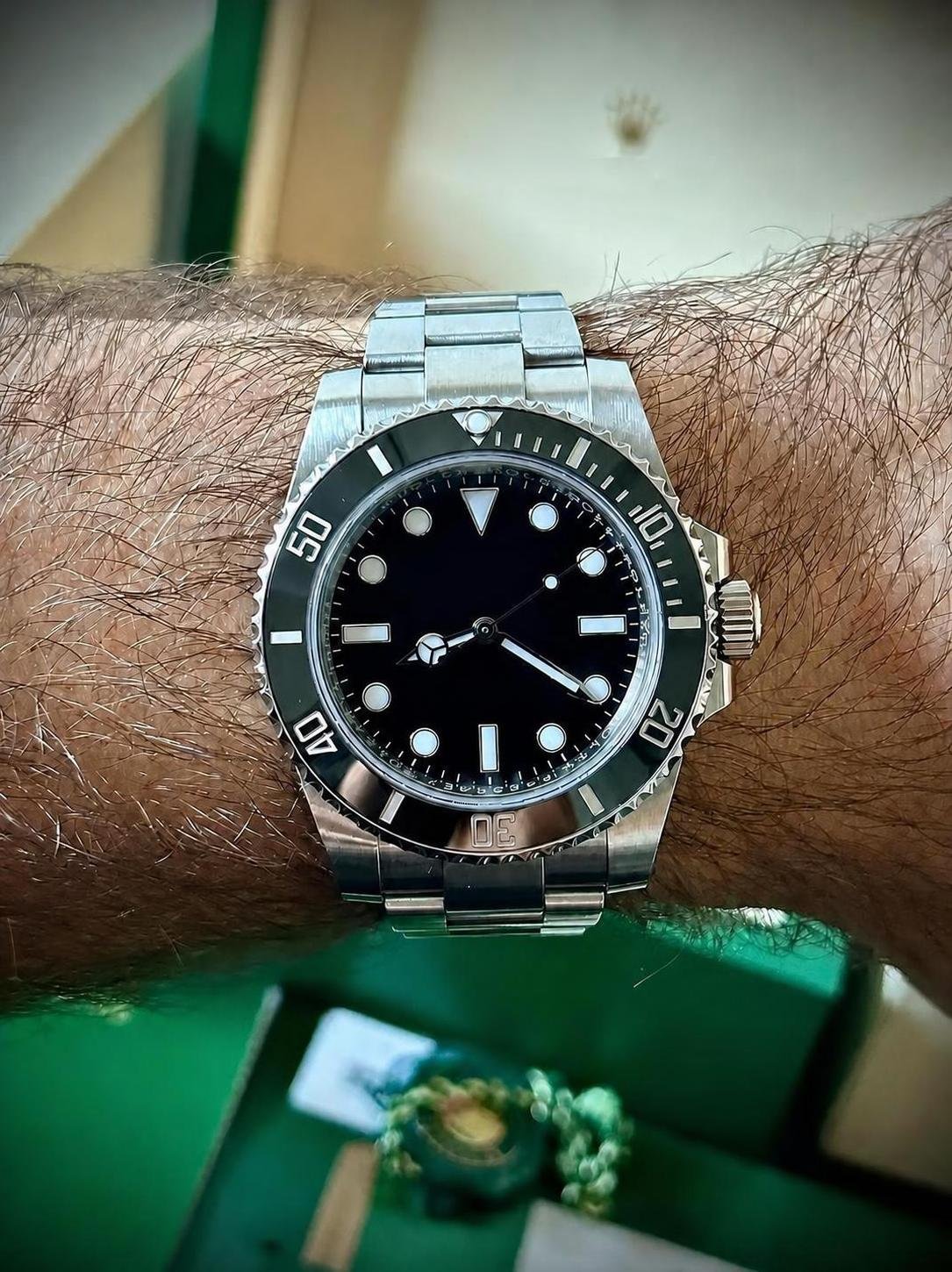
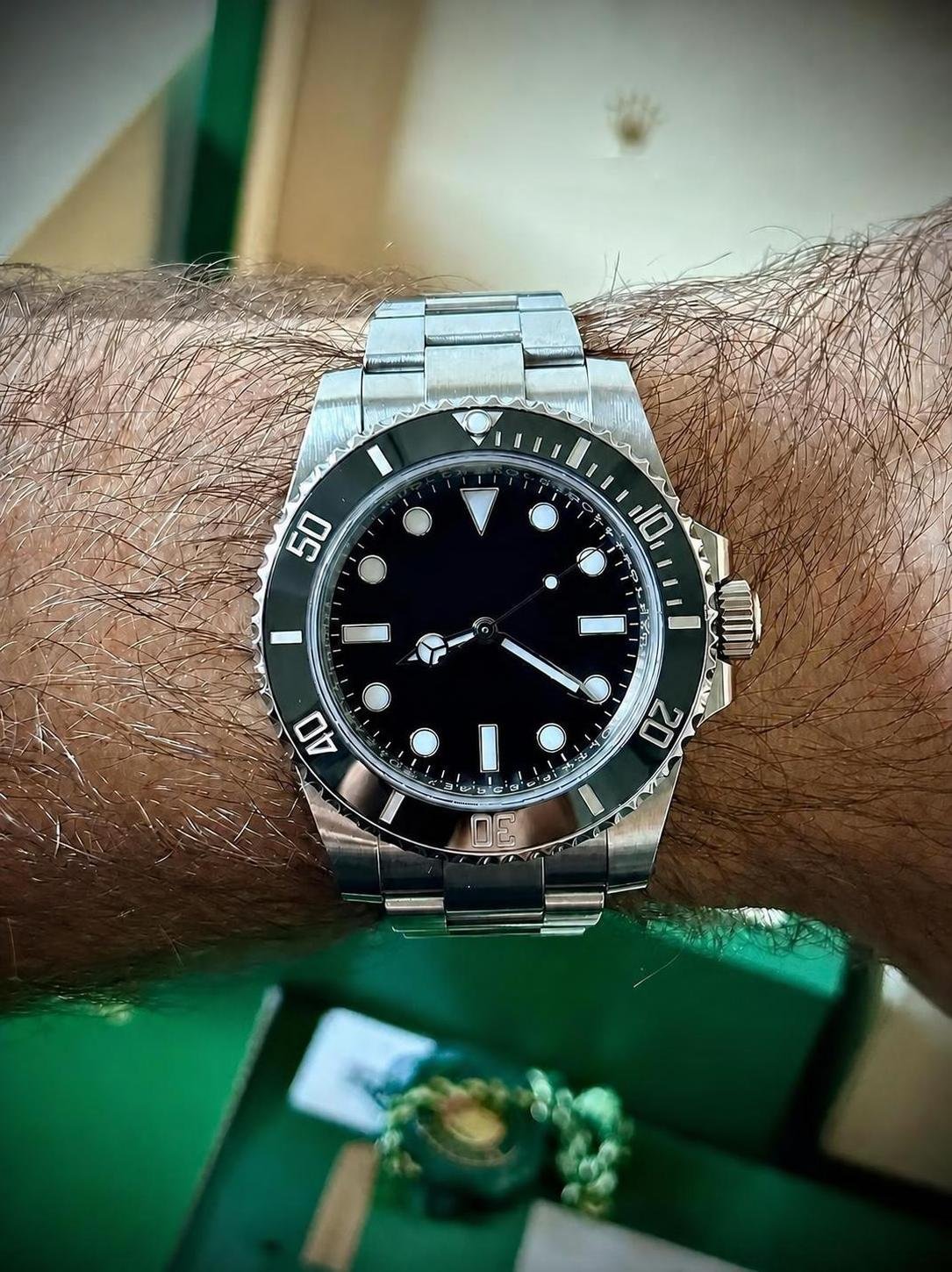
Choosing a watch size is easier when you focus on how the case sits on your own wrist, rather than on a number alone. Measure where you normally wear a watch, then use the case diameter, lug-to-lug length and thickness to narrow the options. A quick check in natural light and with your usual sleeve can show whether the watch looks balanced before you decide.
Key Takeaways
- Start with your wrist circumference, but also check the flat width across the top of your wrist.
- A case should sit within the edges of your wrist, with no lug overhang.
- Diameter is only one part of fit: lug-to-lug length, case thickness and strap shape matter just as much.
- Smaller wrists often suit compact cases, while broader wrists can comfortably accommodate a larger watch when the lugs curve downwards.
- For a broader overview before comparing models, see this guide on how to choose a watch.
A watch should feel balanced from the first time you put it on. If it shifts around, catches on a cuff or looks wider than your wrist, a different case shape or size will usually be a better fit.
I am Brad Purdy, founder of WristWorks, where I work with Australian collectors buying and selling luxury watches online. I start with an accurate wrist measurement, then look at the complete case geometry rather than relying on diameter alone.
How to Choose a Watch Size by Wrist Measurement
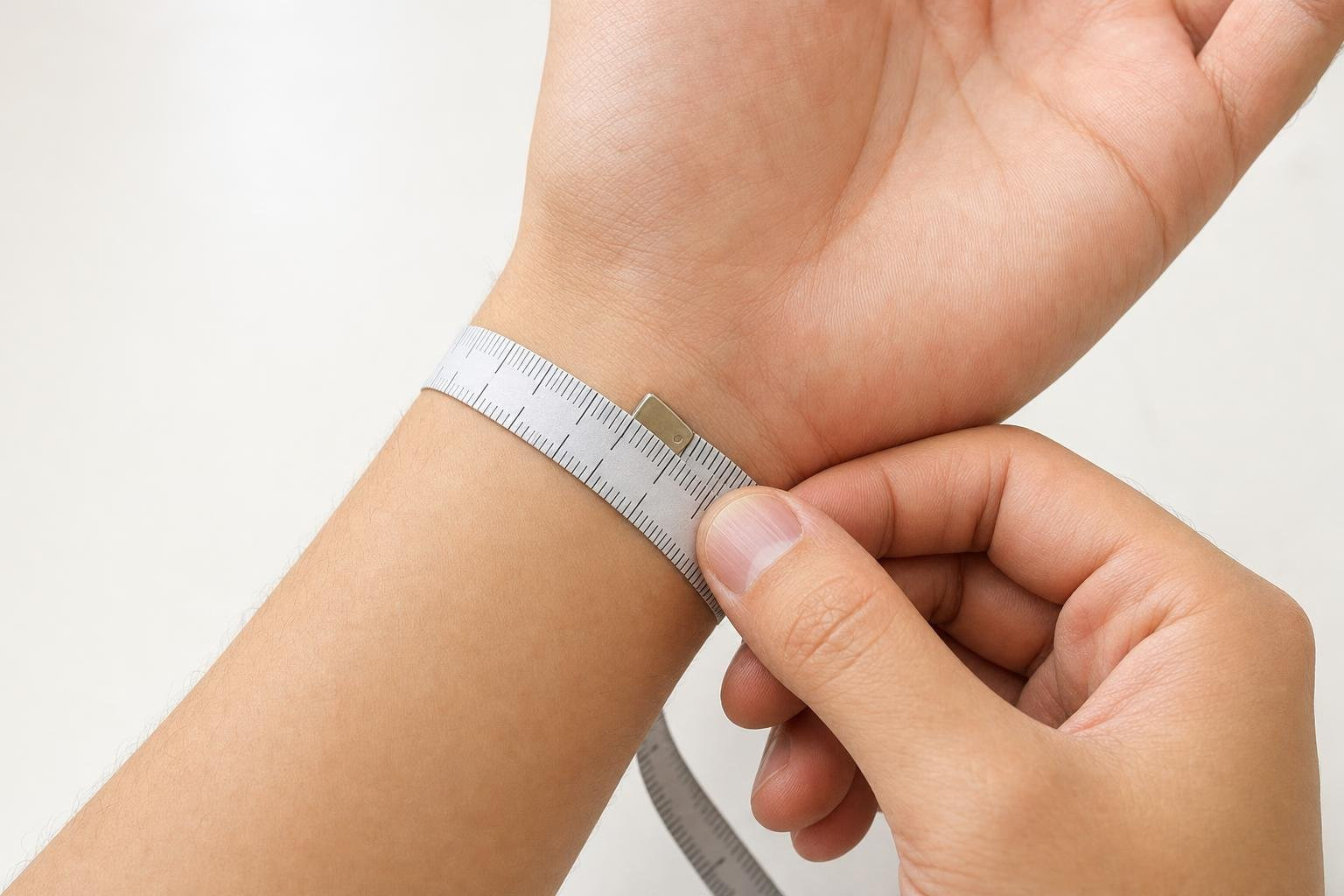
Your wrist measurement gives you a useful starting point, but it does not decide the fit on its own. Two people can have the same circumference and still need different case shapes because one wrist may be rounder while the other has a wider, flatter top surface.
A practical rule is to make sure the watch has visual balance. It should cover a comfortable portion of the top of your wrist without reaching across the edges. When a case overhangs, the bracelet or strap can drop sharply and make the watch feel less secure in everyday wear.
Step 1: Measure Your Wrist Circumference and Width
Measure at the point where you normally wear your watch, just below the wrist bone:
- Use a flexible tailor tape and wrap it around your wrist without pulling it tight. Record the measurement in millimetres or centimetres.
- If you do not have a tape, wrap a strip of paper around your wrist, mark the overlap and measure the strip with a ruler.
- Measure the flat width across the top of your wrist with a ruler or calliper. This helps you judge whether the lugs will sit neatly inside your wrist edges.
Treat these figures as a guide, not a strict rule. Your preferred style, the shape of the case and the way the strap curves can change how a watch wears. If you are buying online, compare the seller's stated case diameter and lug-to-lug measurement with a watch you already wear comfortably. This gives you a familiar reference point and helps avoid choosing a case that looks right in photographs but feels awkward in person.
Step 2: Match the Case to Your Wrist Size
Use these ranges as a sensible starting point:
- Small wrists, under 16 cm: cases around 34 mm to 38 mm often look balanced and are less likely to overhang.
- Medium wrists, from 16.5 cm to 18.5 cm: cases around 38 mm to 42 mm tend to work well for daily wear.
- Larger wrists, from 19 cm upwards: cases around 42 mm to 46 mm can work comfortably when the lug-to-lug length remains in proportion.
Wrist Size and Case Diameter Guide
| Wrist circumference | Wrist size | Suggested case diameter | Suggested maximum lug-to-lug |
|---|---|---|---|
| Under 15 cm | Extra small | 28 mm to 34 mm | 40 mm to 42 mm |
| 15 cm to 16 cm | Small | 34 mm to 38 mm | 43 mm to 46 mm |
| 16.5 cm to 17.8 cm | Medium | 38 mm to 42 mm | 46 mm to 49 mm |
| 18 cm to 19 cm | Medium-large | 40 mm to 44 mm | 48 mm to 52 mm |
| 19.5 cm and above | Large | 42 mm to 46 mm | 52 mm to 56 mm |
Use the table to shortlist sizes, then try the watch on whenever possible. The right fit is the one that sits comfortably, looks in proportion and suits how you plan to wear it.
Beyond Diameter: Case Shape, Straps and Visual Presence
Case diameter is only one measurement. Two watches with the same diameter can look and feel very different because of their lug length, thickness, bezel and dial layout.
Check Lug-to-Lug Length and Case Thickness
Lug-to-lug length is the distance from the tip of the upper lugs to the tip of the lower lugs. For most wrists, this is the measurement that prevents overhang. A 42 mm case may be comfortable if it has short, curved lugs, while a smaller case with long straight lugs can still feel too large.
Case thickness also affects comfort, especially if you wear long sleeves for work or formal occasions:
- Under 10 mm: usually a slim profile that slips easily beneath a cuff.
- From 10 mm to 12.5 mm: a versatile range for many everyday sports and dress watches.
- Above 13 mm: a more substantial profile that needs enough wrist depth to sit comfortably.
Curved lugs help the case follow the shape of your wrist. Straight lugs make the watch look longer and can increase the chance of overhang. Do not judge the fit with the strap pulled tightly against your wrist. Leave it at the setting you would use day to day, because a watch can appear stable in a mirror yet feel uncomfortable once you start moving through your day.
Consider the Dial, Bezel and Case Shape
Small design details can change the watch's visual presence:
- A wide bezel reduces the visible dial area, so a watch can appear more compact than its diameter suggests.
- Dark dials often look more restrained, while light dials can appear larger because they reflect more light.
- Square and rectangular cases usually wear larger than a round case with the same stated width because they cover more of the wrist.
Choose a Strap or Bracelet That Sits Naturally
The strap or bracelet can make a noticeable difference to fit. Integrated bracelets and solid end links add rigidity around the wrist, while leather, rubber and fabric straps often follow the wrist more closely. A tapered strap can also make a larger case feel less imposing.
Before making a decision, look at the watch from above and from the side. Check that the lugs do not extend past your wrist and that the case does not sit excessively high. Move your wrist as you normally would during the day, particularly if you spend time at a desk or wear long sleeves. A watch that feels balanced while standing still should also stay comfortable when you are moving around.
If you are considering a pre-owned watch, condition matters too. Polishing is generally acceptable for modern watches when it is carried out carefully to tidy ordinary wear marks and retain the intended lines. With vintage watches, it is usually better to avoid polishing because original chamfers, bevels and metal thickness contribute to the character and proportions of the case.
Putting Watch Size Into Practice
The best watch size is one that works with your wrist, your usual clothing and the way you plan to wear it. Start with circumference and lug-to-lug length, then compare thickness, case shape and strap style before making a final decision.
If you are choosing between two sizes, the smaller option is often the safer starting point when the larger one reaches the edges of your wrist. Give yourself time to compare how each case sits from different angles and how it feels during normal daily movement. It is also worth checking the crown and clasp against your wrist, as small pressure points can become noticeable after hours of wear.
WristWorks provides a clear, professional service for collectors across Australia from Perth, Western Australia. If you are selling a luxury watch, dealing directly with an established specialist can offer a simpler and more secure process than private listings, online marketplaces or public auctions.
Direct outright purchases are WristWorks' primary service for sellers who value a straightforward transaction. Consignment is available as a secondary option where it suits the watch and the seller's circumstances. WristWorks owns 95% of its available inventory, keeps consigned pieces in secure custody and handles payments directly from start to finish.
When you are ready to compare options or discuss a watch you would like to sell, browse the curated collection of luxury watches or contact the WristWorks team for practical guidance.