

How To Ensure You Have a Rolex Genuine Watch
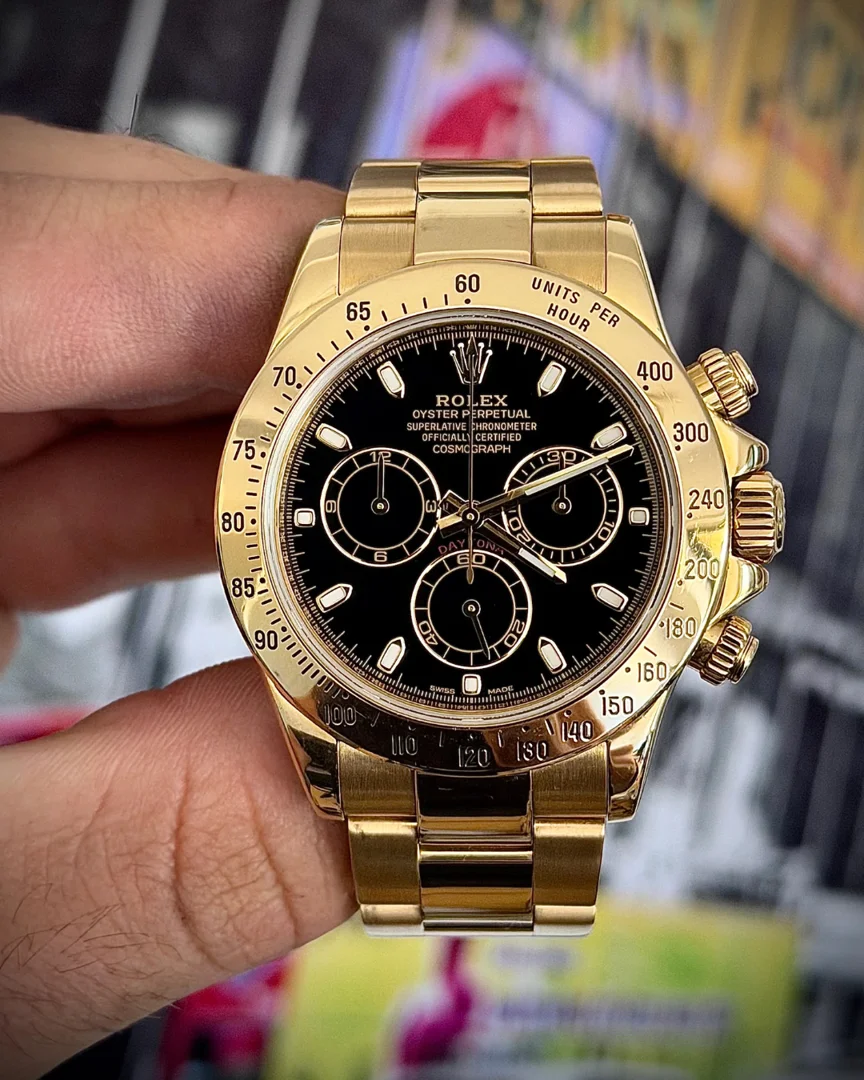
Rolex verification is the meticulous process of ensuring a timepiece is a genuine product of the Geneva-based manufacture, rather than a counterfeit or a modified 'Frankenwatch'. In the current Australian market, where luxury assets are increasingly used as hedges against inflation, the ability to distinguish a genuine article from a sophisticated imitation is paramount. Here is a high-level summary of the primary methods used to verify a Rolex:
- Examine Serial and Reference Numbers: These are located either between the lugs or engraved on the rehaut (the inner bezel ring).
- The Cyclops Magnification: A genuine lens provides exactly 2.5x magnification, making the date appear crisp and filling the window.
- Movement Fluidity: The seconds hand should sweep smoothly, powered by a high-beat mechanical movement ticking 8 times per second.
- Mass and Density: A standard stainless steel Submariner should weigh approximately 155-160 grams due to the high-grade alloys used.
- The Lec (Laser Etched Crown): A tiny, almost invisible crown logo etched into the sapphire crystal at the 6 o'clock position.
- Professional Inspection: Having the case back opened by an expert to verify the internal calibre and componentry.
The global secondary market for these timepieces is currently valued at approximately $20 billion USD. This immense value has incentivised counterfeiters to produce 'super fakes'—imitations so advanced they can deceive even seasoned enthusiasts. In Australia, from the boutiques of Perth to the trading floors of Sydney, the demand for genuine Rolex watches has never been higher.
Rolex has been at the pinnacle of horology since 1905, founded by Hans Wilsdorf with a vision of precision and durability. Because these watches are engineered to retain and often increase in value, the prevalence of fakes is a constant challenge. For anyone looking to sell their watch, understanding how to validate its genuineness is essential to securing a fair market price.
I am Brad Purdy, the founder of WristWorks. In our daily operations, we prioritise the outright purchase of luxury timepieces, providing a streamlined alternative to the lengthy wait times of consignment. Every watch we buy undergoes a rigorous multi-point inspection to ensure its pedigree. In this guide, I will detail the physical markers and professional standards required to verify a Rolex in today's market, ensuring you are fully prepared to realise the maximum value of your asset through an outright sale.
Physical Indicators and Professional Rolex Verification
When handling a high-end timepiece, the initial tactile impression is often the most telling. A genuine Rolex is a product of uncompromising engineering, resulting in a substantial physical presence that counterfeiters struggle to replicate.
The Importance of Weight and Material Density
Weight is one of the most immediate indicators of genuineness. Rolex exclusively utilises 904L Oystersteel for its steel models—a superalloy that is more corrosion-resistant and harder than the 316L steel used by most other brands. This material, combined with solid 18k gold or 950 platinum in precious metal models, gives the watch a distinct heft. For example, a modern stainless steel Submariner Date (Reference 126610LN) should weigh between 155 and 160 grams. Counterfeits often utilise lighter, inferior metals, frequently weighing only 110 to 120 grams. If a watch feels light or 'tinny' in the hand, it is a significant cause for concern. When we look to buy watches outright, the first thing we do is place the piece on a precision scale to ensure the density matches the manufacturer's specifications.
Mechanical Precision and the 'Sweep'
The movement of the seconds hand is a hallmark of Rolex's mechanical excellence. Most modern Rolex calibres operate at a frequency of 28,800 vibrations per hour (vph). This high-beat frequency results in 8 micro-ticks per second, creating a smooth, sweeping motion that appears continuous to the naked eye. If a seconds hand stutters or ticks once per second, it indicates a quartz movement—a technology Rolex has rarely used, primarily in the vintage Oysterquartz series. Furthermore, these mechanical movements are designed to be exceptionally quiet. If you hold the watch to your ear and hear a distinct, loud 'ticking' sound, it is almost certainly a low-quality imitation. For a deeper dive into these physical indicators, you can view our guide on How To Spot Fake Rolex.
Visual Markers: The Dial and Cyclops
The dial is the 'face' of the watch and where Rolex's obsession with detail is most apparent. Under a jeweller's loupe, the printing on a genuine dial is sharp, slightly raised, and perfectly aligned. There should be no bleeding, smudging, or uneven spacing. Counterfeiters often fail to replicate the precise serifs on the fonts or the exact depth of the 'Swiss Made' text at the 6 o'clock position.
The Cyclops lens—the magnifying bubble over the date window—is another common failure point for fakes. A genuine Rolex Cyclops provides exactly 2.5x magnification. This makes the date numeral appear to fill the entire window. Many imitations only achieve 1.5x or 2x magnification, leaving the date looking small and poorly centred. Additionally, modern Rolex crystals feature an anti-reflective coating on the Cyclops, which reduces glare and enhances clarity. If the date is difficult to read or the magnification seems 'off', the watch's genuineness is in question.
Luminescence, or 'lume', is another area where quality is evident. Since 2008, Rolex has utilised its proprietary Chromalight material, which emits a long-lasting blue glow. Older models used green Super-LumiNova. When we verify a piece for an outright purchase, we test the lume's reaction to UV light and its decay rate. If you are looking to add a verified piece to your collection, it is vital to know Where To Buy Authentic Watches to ensure these fine details have been professionally vetted.
Serial Numbers and Reference Codes
Every Rolex is assigned a unique identity through its serial and reference numbers. Understanding the evolution of these markings is a cornerstone of the verification process. On vintage and neo-vintage models (pre-2005), the serial number is engraved between the lugs at the 6 o'clock position, while the reference (model) number is at 12 o'clock. This requires the removal of the bracelet to inspect.
On modern pieces produced after 2005, Rolex transitioned to engraving the serial number on the rehaut—the inner metal ring between the dial and the crystal. By 2008, this became the universal standard. These engravings must be 'laser-sharp'. On a genuine watch, the lines are clean and precise. Counterfeits often feature 'sandy' or rough engravings that appear acid-etched. We always cross-reference these numbers with known production years to ensure the watch's features, such as the bezel material or dial type, are period-correct. You can learn more about this technical process in our article on How To Authenticate Rolex.
Advanced Material Verification
Rolex's use of 904L Oystersteel is not just for show; it is a functional choice that provides a unique lustre and superior resistance to the harsh Australian salt air. The polishing on a genuine Rolex is mirror-like, while the brushed surfaces have a consistent, fine grain.
The sapphire crystal also contains a hidden security feature. On models produced after 2002, a tiny crown logo is micro-etched into the crystal at the 6 o'clock position. This is so small it is virtually invisible without a loupe and a specific angle of light. If the etching is easily visible to the naked eye, it is likely a counterfeit. For those seeking high-value precious metal pieces, searching for Authentic Watches Australia will lead you to specialists who understand the specific hallmarks and weight requirements of gold and platinum models.
The Rolex Certified Pre-Owned (RCPO) Programme
In late 2022, Rolex introduced the Rolex Certified Pre-Owned - Certification Process. This programme is designed for watches at least three years old, providing a brand-sanctioned verification. While this offers a high level of certainty, it often involves a significant price premium and a slower process. For many Australian sellers, the goal is a quick and secure exit from their investment. This is why our primary service at WristWorks is the outright purchase of watches. We provide a professional valuation and a direct offer, allowing you to bypass the complexities of brand-run programmes or the uncertainty of consignment.
Professional Verification Services in Australia
If you are in Western Australia and require a formal assessment, you can visit Official Rolex Retailers - Perth, Western Australia, Australia. A professional watchmaker will typically open the case to inspect the movement. This is the only way to ensure that the internal components are genuine and that the watch is not a 'Frankenwatch'—a piece made of genuine parts from various different models.
While digital tools and AI-based apps are becoming more common for initial screenings, they cannot replace the security of a physical inspection. A trained watchmaker looks for the specific finishing on the movement bridges, the presence of the Parachrom hairspring, and the unique 'Microstella' adjustment nuts on the balance wheel. These are the details that counterfeiters, despite their best efforts, simply cannot match with the same level of precision.
Maximising Your Investment Through Outright Sale
At WristWorks, we specialise in providing a transparent and efficient path for luxury watch owners to liquidate their assets. While the verification process is a necessary step in any transaction, our goal is to make it as seamless as possible for the seller. We believe that an outright sale is the most effective way to trade, offering immediate liquidity and removing the long-term risks associated with consignment, such as market fluctuations or damage while in storage.
Whether you are a collector in Perth or elsewhere in Australia, ensuring your timepiece is verified is the first step toward a successful sale. By focusing on the physical markers we have discussed—weight, movement fluidity, and dial precision—you can approach the market with confidence. If you are ready to move a piece from your collection and want a straightforward, professional experience, we encourage you to get a professional valuation for your Rolex through our direct-to-dealer process.


