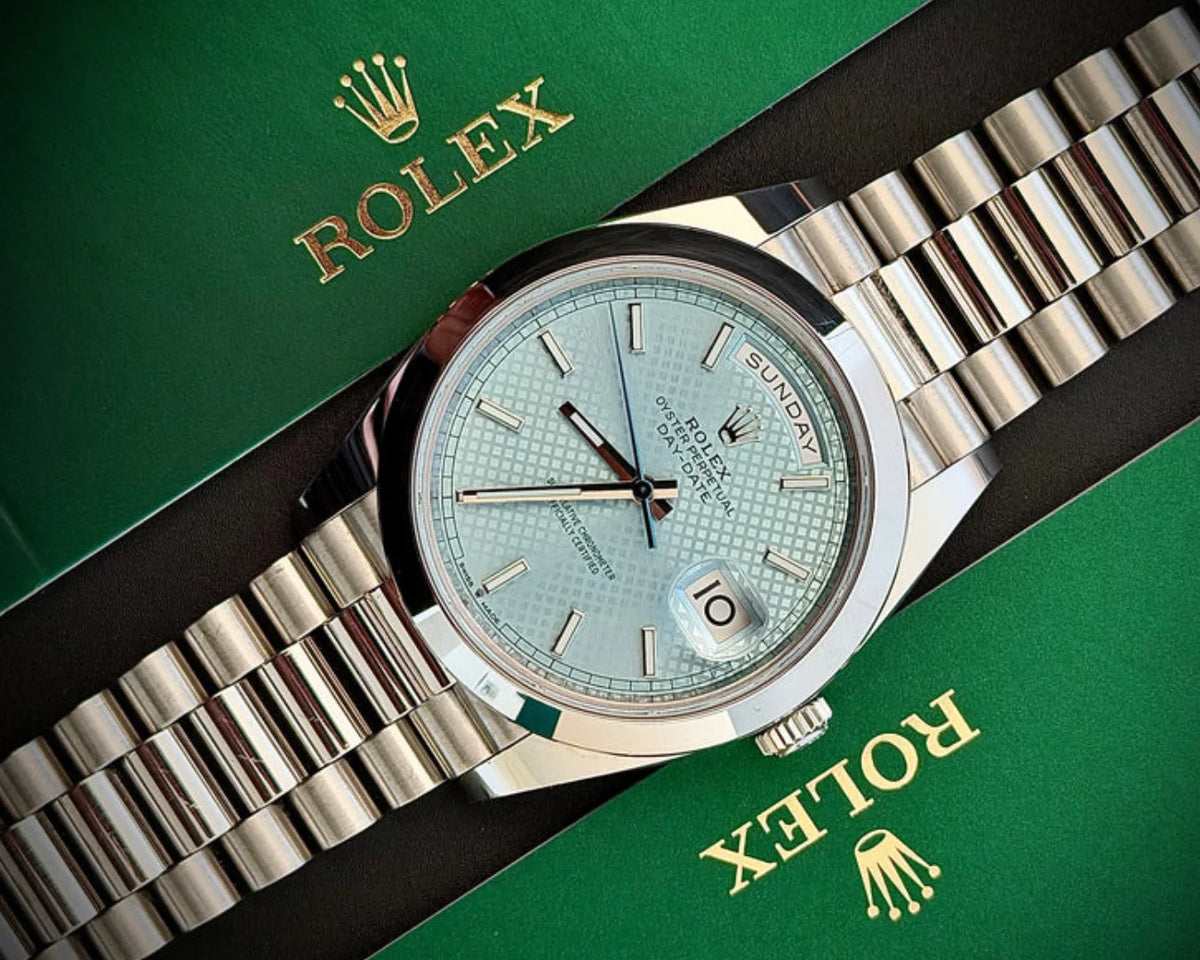
Understanding Historical Rolex Appreciation and Market Growth Patterns
What the Rolex Appreciation Rate Really Tells You

There is no single Rolex appreciation rate that applies to every model or every individual watch. For Australian buyers, long-term value depends on the exact model, its condition, its documentation, and the strength of demand when it is time to sell.
Key Takeaways
- Rolex value retention varies by model, configuration, condition, and buyer demand.
- Well-kept watches with complete documentation are generally easier to assess and sell.
- Steel sports models often attract broad interest, while precious-metal models can appeal to a more specialised buyer.
- Short-term market spikes can be misleading, so it is sensible to focus on long-term demand and careful ownership.
- Browse our guide to the Best Rolex Models to Invest In for a closer look at popular choices.
A Rolex can be enjoyable to wear while also helping preserve value, but it should not be treated as a guaranteed investment. A practical approach is to compare like-for-like examples, check the completeness of the set, and consider how readily that particular model sells in the Australian market today.
I am Brad Purdy, the founder of WristWorks. My finance background and hands-on work in Australia’s luxury-watch market shape an assessment process centred on documented provenance, verifiable evidence, and realistic buyer demand rather than passing speculation.
That approach helps prospective buyers make calmer decisions, whether they are choosing a first Rolex, refining a collection, or preparing a watch for sale in Australia with confidence.
How Rolex Values Move Across Models and Market Cycles
Rolex values do not move in a straight line. Australian buyers have seen periods of fast demand followed by more measured trading, so it helps to look beyond a headline figure and focus on how a particular model performs when comparable examples come to market.
Rather than comparing a watch with shares or property, think about the factors that make it easier for the next buyer to say yes: recognisable design, limited availability, sound condition, complete documentation, and a model with lasting collector interest.
From Steady Demand to a More Considered Market
Before the global surge in collector activity, many sought-after Rolex models built value gradually through steady demand and periodic model updates. The unusually heated period that followed brought rapid movement for popular sports watches, but it also showed why short-term excitement should not be confused with a reliable long-term trend.
As the market settled, buyers became more selective. Condition, originality, documentation, and the details of a particular configuration again became central to value. Our article on The Resale Boom That Turned Collectors into Investors explains why a more considered approach matters.
| Rolex Model Category | Example Model | Earlier Market Pattern | Peak-Demand Behaviour | Current Consideration |
|---|---|---|---|---|
| Classic Core | Datejust | Gradual demand growth | Greater interest in distinctive dials | Broad appeal and steady liquidity |
| Professional Dive | Submariner | Consistent collector interest | Strong demand for well-kept examples | Popular with established buyers |
| Dual-Time | GMT-Master II | Strong collector following | Rapid interest in sought-after colours | Resilient demand when complete |
| Chronograph | Daytona | Long-running desirability | Intense attention from collectors | A leading steel sports model |
Comparing Datejust, Submariner, and GMT-Master II Demand
The Datejust is often chosen as an everyday Rolex, yet particular dial and bezel combinations can attract considerable interest from collectors. Its versatile styling and broad recognition can make it a sensible option for buyers who want a watch they will genuinely wear.
The Submariner and GMT-Master II remain popular because their designs are familiar, practical, and easy for collectors to understand. Demand can still vary widely by bracelet, dial, production period, condition, and whether the watch is offered as a complete set. For a wider comparison, see our Rolex Value Retention Guide 2026.
Why Discontinued and Neo-Vintage Models Can Attract Attention
When Rolex stops producing a model or a specific configuration, the available supply becomes fixed. That can increase collector interest, but it does not automatically make every discontinued watch a strong choice. Desirability still depends on originality, condition, service history, and whether the watch suits current buyer preferences.
Neo-vintage pieces can appeal to collectors who prefer slimmer proportions and older design details while still wanting dependable mechanical performance. Classic Datejust, Submariner, and GMT-Master II examples continue to attract attention when they are well preserved and sensibly presented. If you are weighing up the qualities that matter most, our guide to Identifying a Good Investment Watch is a useful starting point.
It also helps to separate collector appeal from simple scarcity. A watch can be difficult to find without being widely wanted, while a familiar model in excellent condition may have a deeper pool of potential buyers. Before buying, compare recent examples with similar age, dial, bracelet, condition, and accompanying paperwork. That gives you a more useful starting point than relying on broad claims about the brand as a whole.
For Australian buyers, it is also worth considering the practical side of ownership. Keep the watch protected, retain paperwork in a safe place, and avoid making changes simply because they are fashionable at the time. A clear, well-documented ownership history makes it easier to explain the watch to a dealer or future buyer and supports a more confident assessment.
Local market conditions also matter. A model that is popular internationally may attract a different level of interest in Australia, particularly when buyers compare availability, condition, and the practicality of wearing it day to day. Speaking with a specialist before buying or selling can help you set realistic expectations, identify the details that need attention, and decide whether the watch suits your collecting goals over the years ahead with a clear sense of purpose.
Practical Guide to Rolex Value Retention in Australia
Choosing a Rolex with value retention in mind starts with the same questions a future buyer will ask. Is the model desirable, is the watch in sound condition, and is its history easy to understand?
Steel and Precious-Metal Models
Material can shape both demand and liquidity. Steel sports models often appeal to a wide range of Australian collectors because they are versatile and familiar. That broad interest can make well-kept examples easier to place when market conditions are stable.
| Material Configuration | Typical Model Family | Buyer Considerations | Long-Term Value Outlook |
|---|---|---|---|
| Stainless Steel | Submariner and Daytona | Broad collector interest and practical wearability | Often supported by strong demand |
| Two-Tone | Datejust and Submariner | Blends steel and gold with a more traditional look | Can appeal to a defined audience |
| Solid Precious Metal | Submariner and Day-Date | Greater emphasis on metal, rarity, and personal taste | More dependent on configuration and buyer preferences |
Precious-metal Rolex watches can be compelling, but they usually attract a more specialised audience than steel sports models. The right choice depends on whether you value versatility, rarity, design, or a particular place in your collection. No material guarantees a better outcome, so it is worth assessing each watch on its own merits.
Documentation, Condition, and Selling Method
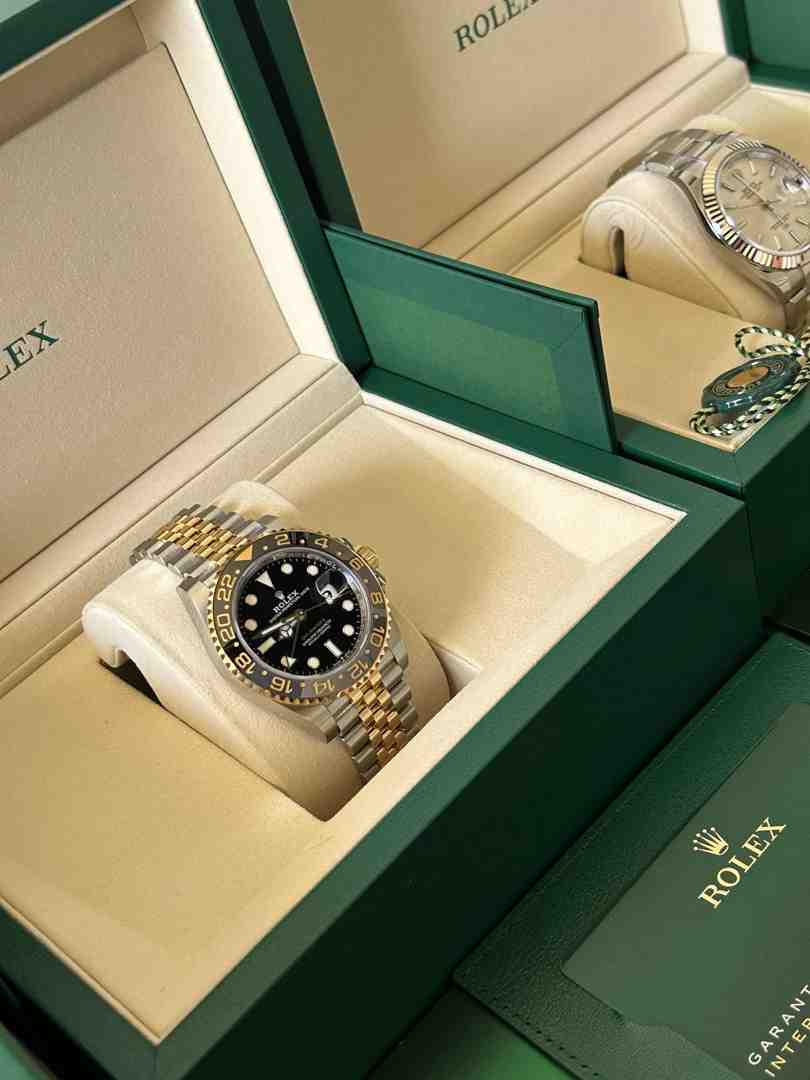
Complete presentation sets can make a meaningful difference when a watch is assessed. The original box, booklets, tags, and guarantee paperwork help establish a clearer history and can give the next buyer greater confidence in the watch’s provenance.
Condition deserves the same attention. For modern watches, careful professional polishing that follows appropriate standards can help maintain a clean appearance. For vintage pieces, collectors generally prefer original case lines, sharp lug profiles, and untouched dials, as unnecessary restoration can reduce their appeal.
Routine care should be documented where possible. Keep service records, avoid unnecessary alterations, and store the accessories together so the watch’s history remains clear. If you are unsure whether work is appropriate for a particular piece, seek advice before making cosmetic changes, especially when dealing with an older Rolex.
When it is time to sell, an outright sale to an established dealer is the most straightforward option for owners who value speed, security, and a clear process. Selling privately can involve extended negotiations, uncertain buyers, and more administration. Consignment may suit a small number of rare collector pieces, but it remains a secondary option for sellers who are comfortable waiting for the right buyer.
Making a Confident Rolex Decision in Australia
Before committing to a purchase or sale, take time to review the watch in person where possible and ask clear questions about its condition and documentation. A measured decision is usually better than reacting to a trend, particularly if you are building a collection around pieces you intend to enjoy for years to come.
A Rolex can be a rewarding part of a collection when you choose carefully, maintain it well, and stay realistic about changing demand. If you would like help assessing a watch you own or are considering, explore our Comprehensive Luxury Watch Investment Guide or contact WristWorks for a professional valuation tailored to the Australian market with greater confidence today.