

A Realistic Buyer's Guide to Building a Patek Philippe Collection
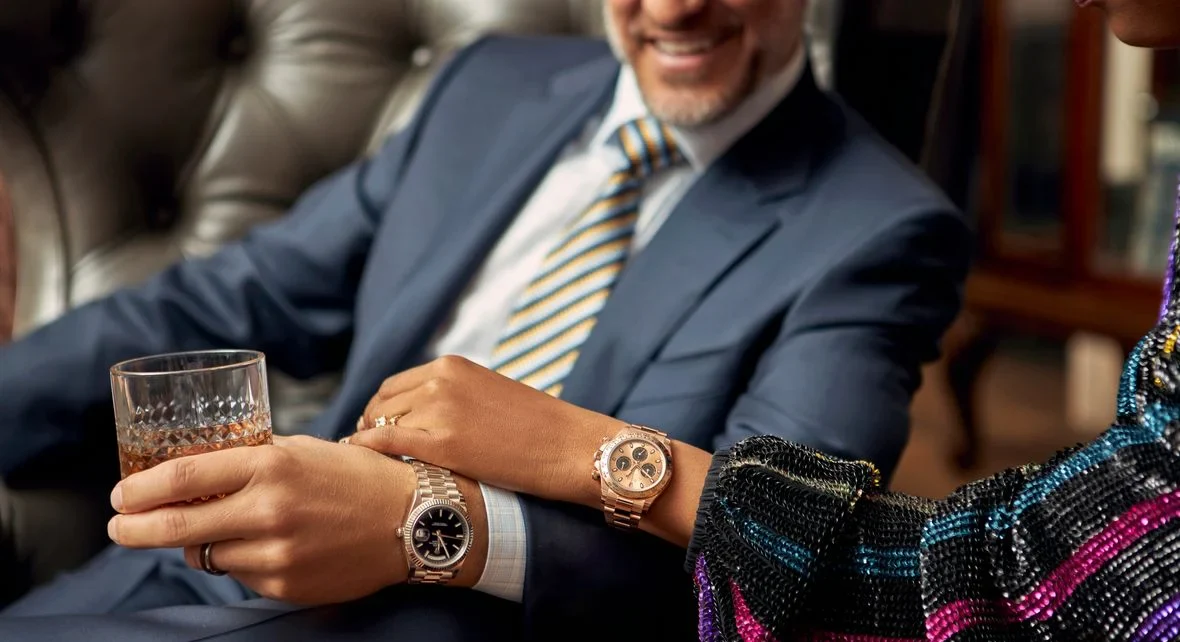
Begin with the role you want the watch to play in your day-to-day life. A dress watch, sports model or complicated piece can each make sense, but the right choice is the one that feels comfortable to wear and enjoyable to keep. Once that is clear, you can assess new and pre-owned options with a more practical frame of reference.
Key Takeaways
- Start by choosing a collection that suits how you dress, work and spend your time.
- Official boutiques and established pre-owned specialists serve different needs, so compare the route that suits your timeframe.
- Check the watch, its paperwork and its service history carefully before proceeding.
- Focus on fit, condition and long-term enjoyment rather than online attention.
- Use a specialist with a clear inspection process when considering a pre-owned piece.
I am Brad Purdy. As the founder of WristWorks, I draw on experience in mechanical trades, luxury sales and finance to evaluate fine watches carefully. That perspective helps buyers consider condition, documentation and everyday suitability when choosing a Patek Philippe.
Finding the Right Patek Philippe for Your Collection
Patek Philippe is a highly regarded watch manufacture, but the best starting point is not necessarily the most sought-after model. A good first choice should suit your routine, your wrist and the way you prefer to dress. It also helps to decide whether you want one versatile watch or a collection with clearly different roles. Before you narrow the shortlist, write down the situations in which you expect to wear the watch and the features that matter most to you. That list can keep the decision focused.
When narrowing the field, think about the type of collection you want to build:
- Classic dress watch: A slim case, precious metal and a simple layout can suit formal wear and quieter occasions.
- Everyday sports watch: A robust case, comfortable strap or integrated bracelet and practical water resistance may be a better fit for regular wear.
- Complication-focused watch: Annual calendars, perpetual calendars and travel-time functions appeal to collectors who enjoy mechanical detail.
- Neo-vintage piece: Discontinued references from the late 1990s and early 2000s can offer distinctive design and historical interest.
Try to look beyond photographs. Case diameter, thickness and lug shape can change how a watch feels on the wrist, while the movement and complication level will affect the care it needs over time. If possible, try on a comparable case size before committing. A watch that looks balanced in a product image can wear very differently depending on wrist shape and preferred strap fit.
It is also worth thinking about when you will wear the watch. A Calatrava may be ideal for business wear or formal events, while an Aquanaut can feel more natural for weekends and travel. There is no single correct first Patek Philippe. The right one is the model that feels practical, comfortable and enjoyable enough to become part of your regular rotation.
How to Buy a Patek Philippe Through Official and Pre-Owned Channels
There are two main ways to buy a Patek Philippe: through an authorised boutique for a current catalogue model, or through an established pre-owned specialist for a discontinued reference or a watch available sooner.
Authorised boutiques are the direct route for current models. Demand for certain steel sports watches can mean long waits, and clients may build a relationship with a boutique before being offered scarce references. This approach can suit collectors who are flexible about timing and interested in the current catalogue.
A reputable pre-owned specialist can be more suitable when you have a particular reference in mind or want to compare examples in detail. Avoid treating online listings and unregulated private sales as interchangeable with specialist stock. Incomplete records, undisclosed replacement parts and uncertain service history can be difficult to identify from photos alone. It can also be useful to ask for clear, recent photographs of the case, dial, clasp and movement before arranging an inspection. Those details help you prepare focused questions and compare examples on more than appearance alone. If anything is unclear, pause and seek further information before proceeding. Careful comparisons make it easier to recognise a watch that genuinely suits your priorities.
Choosing Your First Reference
Start with a collection that matches your lifestyle. The Calatrava is a natural choice for a traditional dress watch, while the Aquanaut offers a more relaxed sporting profile for regular wear.
For a classic gold dress option, the Patek Philippe Calatrava has an officer-style hinged dust cover and a restrained design. If you prefer a versatile sports model, a Patek Philippe Aquanaut can offer a versatile sports profile for daily wear.
Before deciding, consider:
- Case material: Choose a metal that suits how and where you plan to wear the watch.
- Wearability: Check the case diameter, thickness and lug-to-lug measurement on the wrist.
- Movement complexity: Decide whether a simple movement or a complication fits your interest and servicing expectations.
Comparing Collections Without Chasing Hype
The Nautilus, Aquanaut and Calatrava each offer a different collecting experience. A Nautilus may appeal for its integrated-bracelet design, an Aquanaut for its sportier feel, and a Calatrava for its understated formality. Complications such as annual calendars and moon phases add mechanical interest, but they should make sense for the way you plan to use the watch.
| Collection Family | Case Material | Primary Appeal |
|---|---|---|
| Calatrava | 18ct Rose Gold | Classic sector dial and dress-watch styling |
| Aquanaut | 18ct White Gold | Contemporary jumbo sports case |
| Nautilus | Stainless Steel | Annual calendar with a leather strap |
| Neptune | Stainless Steel | Integrated bracelet and complication |
A well-chosen watch does not need to follow a trend. Think about whether you enjoy the dial, case shape and movement enough to keep wearing the piece after the initial excitement has passed.
Checking a Pre-Owned Patek Philippe Carefully
A pre-owned Patek Philippe deserves a methodical inspection. Ask for clear documentation, examine the condition in person where possible, and make sure the watch’s details align with its records.
Key checks include:
- Movement and case details: Compare the reference, case and movement information with the supplied documentation.
- Documents and archival records: Review the Certificate of Origin or consider an Extract from the Archives for an older watch.
- Case condition: Light professional polishing can be appropriate for a modern watch during factory service, while a vintage watch is generally better with its original case lines and bevels preserved.
- Dial and hands: Look for consistent printing, correct markers and a condition that matches the watch’s age.
- Completeness: Original presentation boxes, document wallets and booklets can provide useful ownership context.
Caring for Your Patek Philippe and Planning Your Next Step
Owning a Patek Philippe means allowing for regular care. Mechanical movements benefit from periodic servicing to renew lubricants, check water resistance and keep the movement performing as intended. Keeping service records organised also makes it easier to understand the watch’s history and plan its ongoing care.
More complex watches, such as perpetual calendars, split-seconds chronographs and minute repeaters, need specialist attention. Appropriate insurance can also help protect against accidental damage, loss or theft. For day-to-day ownership, sensible habits matter too: avoid unnecessary knocks, keep the watch away from strong magnetic fields where possible, and have water resistance checked before regular swimming.
Before completing a purchase, ask who will handle any follow-up questions and whether the seller can clearly explain the watch’s condition and service documentation. A well-run transaction should feel straightforward, with time to review the details rather than pressure to make a quick decision. This is especially helpful if you are buying your first significant mechanical watch and want a process that feels calm, well explained and considered from start to finish. A clear record of each conversation, document and inspection point can make the next step easier to assess. It also gives you a useful reference if you revisit the same watch at another time. Taking a moment to compare the details can help you make a decision that remains comfortable long after purchase.
If you are selling a luxury watch in Australia, a direct sale to an established dealer is usually the clearest route for speed and security. Private listings and online auctions can involve time-consuming enquiries, non-paying bidders and personal security concerns. Consignment can suit selected rare pieces, but it remains an optional service rather than the main approach.
At WristWorks, 95% of inventory is owned directly by WristWorks, consigned pieces are held securely in custody, and payments are handled directly. Read the Guide to Buying Watches Online for more detail on the evaluation process.
When you are ready to explore your next reference, browse Curated Luxury Timepieces, send through a Watch Enquiry, or Contact WristWorks to discuss a watch you are considering.


