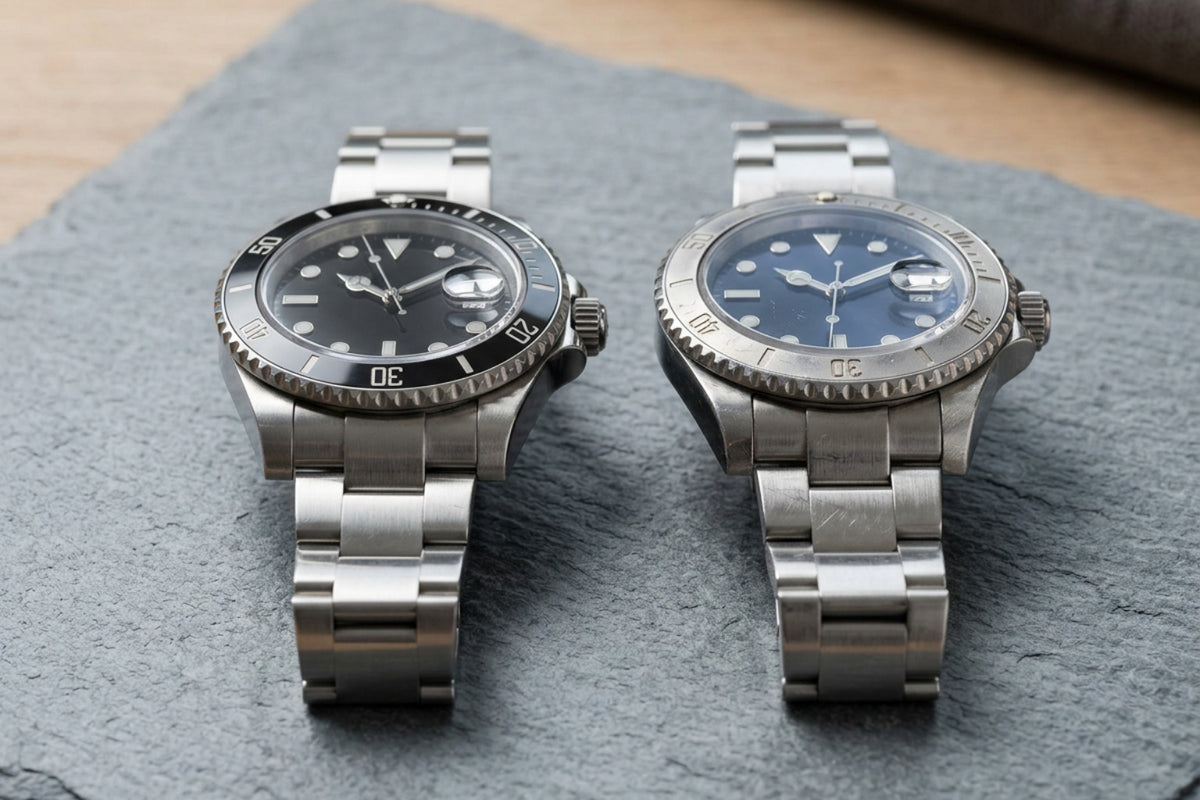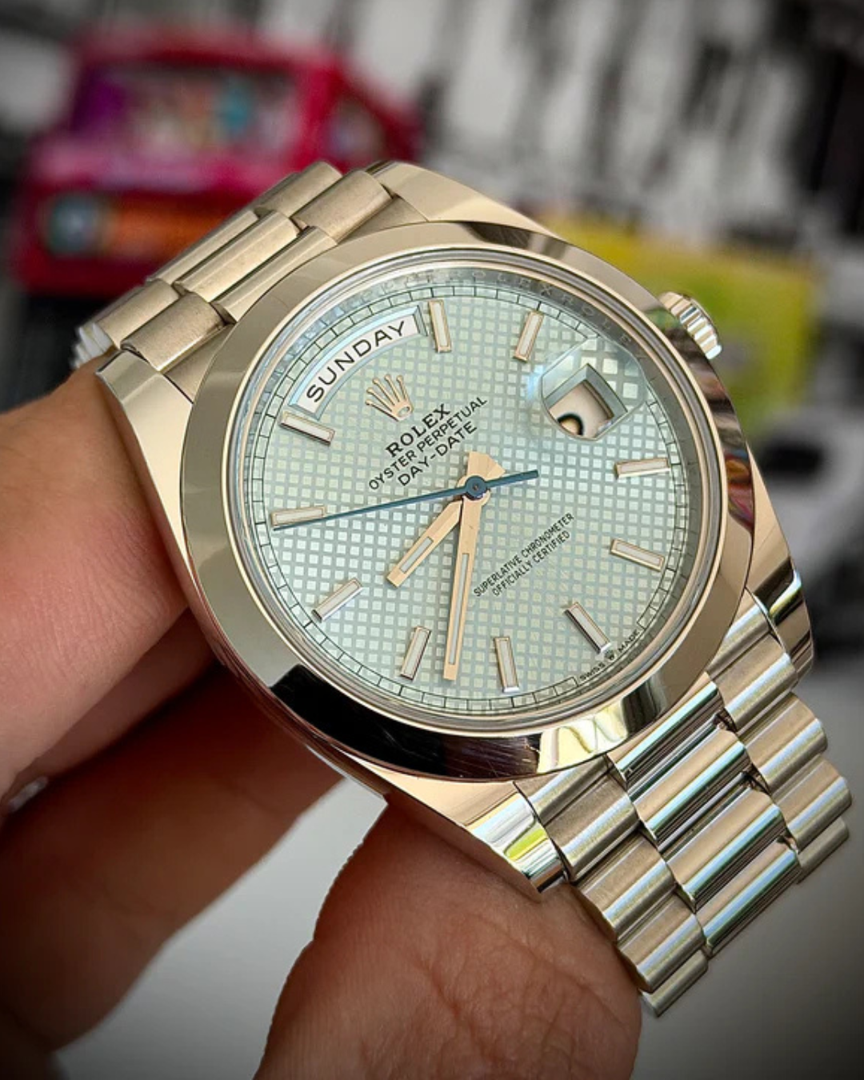
How to Know If a Rolex Is Real
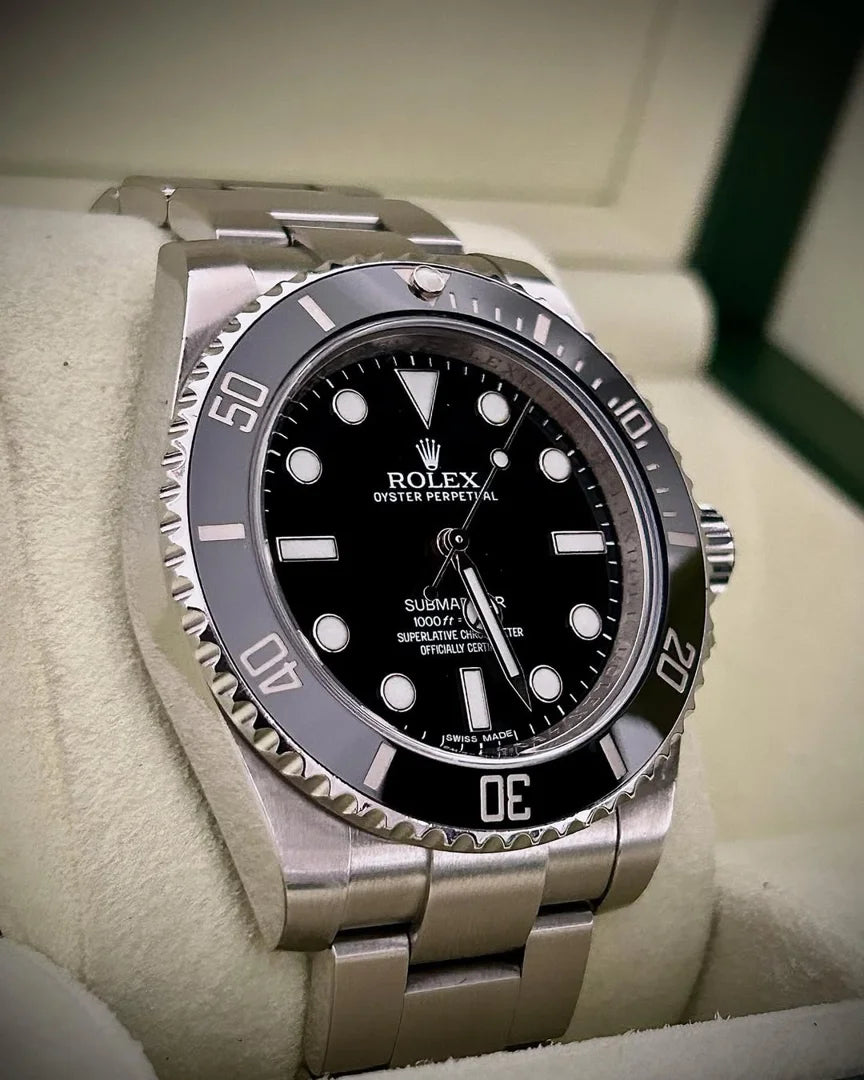
If you are wondering how to know whether a Rolex is real, start with the details you can actually inspect: the engraving, dial, bracelet, movement, paperwork and the seller's behaviour.
A genuine Rolex should feel consistent in every respect, while a fake often gives itself away through small mismatches that are easy to miss when you are excited about a purchase.
Key Takeaways
- Check the serial and model numbers first. They should be sharply engraved, correctly placed for the watch's era and consistent with the paperwork.
- Look closely at the dial, hands and Cyclops lens. Poor printing, weak date magnification or a heavy-handed crown etching can all point to a fake.
- Treat box and papers as supporting evidence, not proof on their own. If you want a deeper checklist, read our guide on how to spot a fake Rolex.
- Pay attention to the seller. A transparent Australian dealer should provide clear photos, accurate condition notes and time for proper checks.
- If anything feels off, pause before buying. A careful inspection is always better than trying to fix a bad purchase later.
How to Check a Rolex Before You Buy
The safest way to check a Rolex is to look at the whole watch, not just one feature. A convincing fake might copy the dial well but get the bracelet, caseback or engraving wrong. Think of the inspection as a series of small checks that should all point in the same direction.
Start with the feel of the watch. A genuine Rolex is made from solid, high-quality materials such as Oystersteel, gold or platinum, so it should feel substantial and well finished. The bracelet should move smoothly without rattling, squeaking or feeling sharp at the edges. The clasp should close firmly and the crown logo should look clean, not flat or poorly stamped.
| Feature | What to Expect on a Genuine Rolex | Common Fake Rolex Warning Sign |
|---|---|---|
| Material quality | Solid steel, gold or platinum with a balanced, substantial feel | Light case, plated metal or rough finishing |
| Date magnification | Clear Cyclops magnification with the date filling the window | Small, blurry or off-centre date display |
| Engraving | Sharp, clean and precise serial or model markings | Shallow, sandy or uneven engraving |
| Caseback | Usually solid, plain metal on most models | Transparent back or unnecessary exterior logos |
| Dial finish | Crisp printing, even spacing and aligned markers | Smudged text, uneven spacing or misaligned details |
Check the Serial and Model Numbers
Every Rolex has identifying numbers that should match the model, era and paperwork. Older watches usually have the serial and model numbers between the lugs, which means the bracelet needs to be removed carefully with the right tools. Modern watches usually show the serial number on the rehaut, which is the inner ring between the dial and crystal.
Look for engraving that is clean, deep and consistent. It should not look dotted, sandy or lightly scratched into the metal. If the numbers are hard to read, poorly aligned or inconsistent with the claimed model, treat that as a serious warning sign. You can compare the basic location and era details in our guide on how to tell if a Rolex watch is real.
Inspect the Dial, Hands and Cyclops Lens
The dial is where many fake watches fall short. Under a loupe, the printing should look crisp, evenly spaced and properly aligned. The hour markers should sit neatly, the hands should be well finished and the lume colour should make sense for the model and era.
If the watch has a date window, check the Cyclops lens closely. On a genuine Rolex, the date should appear clear and easy to read through the magnifier. On many fakes, the date looks too small, flat, blurry or slightly off centre.
Modern Rolex crystals may also have a tiny laser-etched crown near the 6 o'clock position. It should be subtle and difficult to see without the right angle and lighting. If it looks too obvious, printed on or roughly marked, be cautious. Gear Patrol's expert guide to spotting a fake Rolex also highlights how small finishing details often reveal the difference.
Assess the Bracelet, Weight and Caseback
The bracelet tells you a lot about how carefully the watch was made. Genuine Rolex bracelets feel tight, smooth and well balanced. The end links should sit neatly against the case, and the clasp should open and close with a precise mechanical feel.
Weight can help, but it should not be used on its own. Some fakes now use better materials than older replicas, so a heavy watch is not automatically genuine. Instead, compare the weight with the model, bracelet type and condition. A watch that feels flimsy, hollow or poorly balanced deserves a closer look.
The caseback is another useful check. Most Rolex watches have a solid, plain caseback. If you can see the movement through a transparent back, or if the back has decorative branding that does not belong on that model, it is likely not right.
Listen to the Movement and Watch the Seconds Hand
A genuine mechanical Rolex has a smooth-looking seconds hand because the movement beats several times per second. It should not jump once per second like a basic quartz watch. That said, the seconds hand is not a complete test. Some fake movements also sweep, so use this as one clue rather than a final answer.
If a professional opens the watch, the movement should be clean, precise and appropriate for that exact reference. The finishing should look purposeful rather than overly decorative. A loud ticking sound, loose rotor noise or movement that does not match the watch model should raise concern.
Review the Seller and Paperwork
A careful seller should make the process feel calm and transparent. They should be willing to provide clear photos, accurate condition details and enough time for you to inspect the watch properly. Be careful with anyone who rushes you, avoids direct questions or refuses reasonable checks.
Paperwork can help, but it should never carry the whole decision. Check that the serial number on the card or papers matches the watch. Look for printing quality, consistent dates and details that suit the model. Modern cards and older punched or printed papers vary by era, so compare like with like rather than assuming every set should look the same.
For Australian buyers, it also helps to work with a local or Australian-based dealer who understands the local market, GST-inclusive pricing and the practicalities of buying online. Private sellers and marketplace listings can carry more uncertainty, especially when the watch cannot be inspected properly before money changes hands.
Buying a Rolex With More Confidence
Trying to check a Rolex on your own can feel stressful, especially when the watch looks convincing at first glance. The aim is not to memorise every possible fake. It is to slow the process down and ask whether the case, dial, bracelet, movement, paperwork and seller all tell the same story.
At WristWorks in Perth, we focus on direct-to-dealer and outright watch transactions as the primary path for people who want a straightforward, secure process. Most of our inventory is owned directly by us, and all pieces are physically held and carefully assessed before being listed. Consignment is available as a secondary option, but outright buying and selling remains the main service.
We also keep the process practical. Listings should be clear, photos should show the watch properly, and any discussion around condition should be plain and honest. For modern watches, light polishing can be acceptable when it suits the piece. For vintage watches, we generally favour preserving the original finish wherever possible.
If you are comparing a Rolex and want a second set of eyes before you decide, you can explore our watch collection or contact WristWorks to discuss the watch you are considering.