How to Sell Luxury Timepieces Without Losing Your Cool
What You Need to Know Before You Sell Luxury Timepieces
The Australian market for pre-owned luxury watches has undergone a significant transformation over the last decade. What was once a niche hobby for a small group of dedicated collectors in cities like Melbourne and Sydney has evolved into a sophisticated secondary market where timepieces are viewed as both functional art and tangible assets. If you are looking to sell luxury timepieces in this environment, the process requires a clear understanding of market dynamics and a structured approach to ensure you receive a fair and secure return. The rise of digital platforms has made the market more accessible, but it has also introduced a level of complexity that requires professional navigation to avoid common pitfalls.
For many owners across Australia, the decision to part with a high-value watch is driven by a desire to upgrade a collection, liquidate an asset for other investments, or simply move on from a piece that no longer sees regular use. However, the path to a successful sale is often cluttered with fragmented information and varying levels of service. This guide is designed to provide a professional, transparent roadmap for sellers from Perth to Brisbane, ensuring that the transition from owner to seller is handled with the necessary diligence and respect for the horological craft. We recognise that these items often carry emotional weight as well as financial value, and our process is designed to honour both.
If you are seeking the most efficient way to sell, here is the essential summary of the professional path:
- Identify Your Asset: Locate the reference number, assess the physical condition, and gather all original documentation and packaging.
- Select a Professional Partner: Opting for a direct-to-dealer transaction is the most secure and time-efficient method, providing immediate liquidity compared to the uncertainties of private marketplaces.
- The Inspection Process: Obtain a preliminary quote, arrange for secure, insured transit, and allow for a professional physical assessment to confirm the final value.
- Avoid High-Risk Channels: Generalist platforms and local pawn shops often lack the specialist knowledge required to value luxury watches accurately, frequently resulting in offers that fall significantly below true market value.
At WristWorks, we specialise in streamlining this process for the Australian collector. I am Brad Purdy, and I founded this business to address the lack of transparency often found in the secondary market. We operate with a commitment to clear communication and rigorous processes, ensuring that every seller understands how their timepiece is valued. Our model is built on direct ownership; we own 95% of our inventory, which allows us to make firm decisions and provide a level of certainty that consignment-only platforms cannot match. This approach ensures that when we make an offer, we have the capital ready to finalise the transaction without waiting for a third-party buyer.
Essential sell luxury timepieces terms:
Key Factors When You Sell Luxury Timepieces
When you prepare to sell luxury timepieces, the valuation process is governed by a set of objective criteria. Professional dealers in the Australian market do not rely on guesswork; instead, they use a combination of historical data, current supply-and-demand metrics, and a detailed physical assessment of the individual piece. Understanding these variables allows you to present your watch in the best possible light and manage your expectations regarding the final offer. The goal is to achieve a valuation that reflects the global market while considering local Australian demand.

The Value of a 'Full Set'
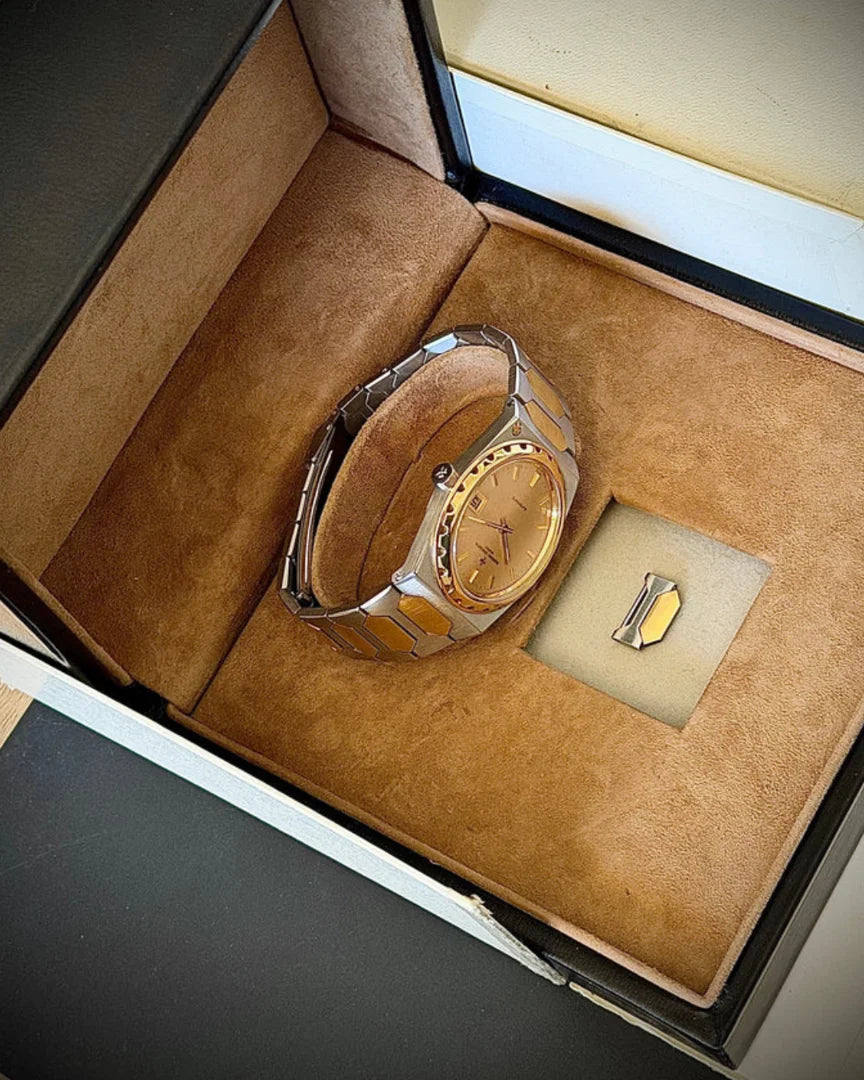
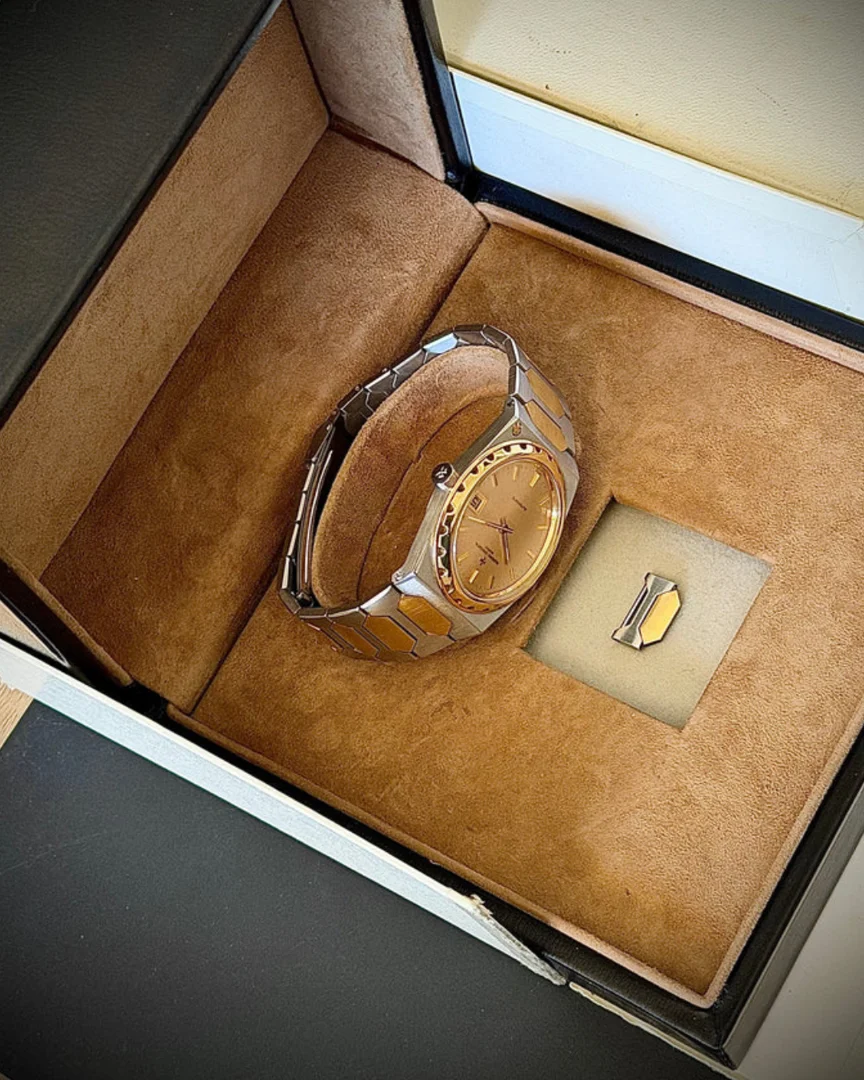
In the world of luxury watch collecting, the term 'full set' carries significant weight. This refers to a watch that is accompanied by its original presentation box, the original paperwork or stamped cards provided at the time of purchase, and any additional accessories such as spare bracelet links, hangtags, or booklets. While the watch itself is the primary asset, the presence of original documentation provides a clear provenance that collectors and dealers highly favour. It simplifies the inspection process and enhances the resale potential. While we certainly purchase watches without their original packaging, a complete set will almost always command a premium over a 'naked' watch because it offers a complete historical record of the timepiece.
| Factor | Direct Sale (Outright) | Consignment |
|---|---|---|
| Speed | High (Funds released after inspection) | Variable (Dependent on finding a buyer) |
| Security | Maximum (Dealer assumes all risk) | Moderate (Watch remains in dealer inventory) |
| Process | Straightforward and immediate | Multi-stage and potentially lengthy |
| Effort | Minimal for the seller | Low to moderate |
| Primary Benefit | Certainty and immediate liquidity | Potential for a higher net return |
Condition and Maintenance
The physical state of the timepiece is perhaps the most critical variable in the valuation. We assess the case for signs of wear, such as scratches, dents, or evidence of previous polishing. It is important to note that while light polishing is often acceptable and even encouraged for modern watches to restore their aesthetic appeal, vintage pieces are treated differently. Collectors of vintage timepieces often prefer the original lines and the natural patina that develops over decades. Over-polishing a vintage watch can actually diminish its value by softening the sharp edges of the case and lugs. We look for the 'honesty' of the watch—how well it has been cared for over its lifespan.
Mechanical health is equally important. A watch that has been recently serviced by an authorised service centre will often be valued more highly, as it provides the next owner with peace of mind regarding the movement's performance and longevity. If you are looking for more info about selling without the guesswork, ensuring you have a record of any maintenance or component replacements is a significant advantage. We use specialised timing equipment to check the amplitude and beat error of the movement, ensuring it meets the manufacturer's original specifications.
Market Trends and Brand Strength
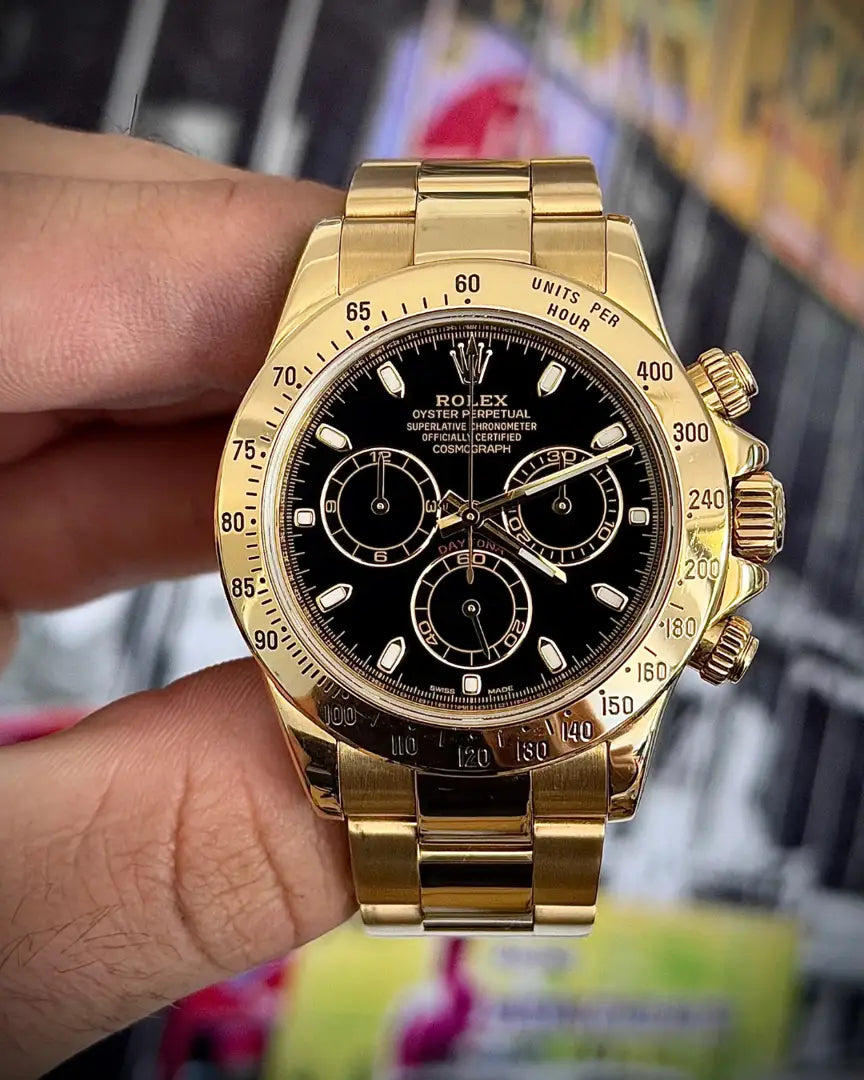
The secondary market is influenced by global economic trends and brand-specific demand. Brands like Rolex, Patek Philippe, and Audemars Piguet have historically shown remarkable resilience, often maintaining or even increasing in value due to their limited production and iconic status. As highlighted by The Wall Street Journal on Rolex market standing, the desirability of specific models can lead to prices that exceed their original retail value. In Australia, we also see fluctuations based on the price of precious metals. Solid gold or platinum models may see value adjustments in line with the global bullion market. Because these trends can change rapidly, professional quotes are typically time-sensitive, often valid for a 48-hour window to reflect the most current market data and currency fluctuations.
Navigating the Sale Process for High-Value Items
Selling a high-value asset requires a process that prioritises security and transparency above all else. In a vast country like Australia, the ability to conduct these transactions remotely while maintaining total confidence is essential. At WristWorks, we have refined our approach to remove the complexities and risks associated with DIY selling methods, such as public marketplaces or unverified online forums, which are often rife with security concerns and unreliable participants.
Comparing Sale Methods
When you decide to sell luxury timepieces, you generally have four main avenues, each with distinct advantages:
- Direct-to-Dealer (Outright Sale): This is our primary recommendation for those seeking a secure and efficient transaction. We provide a firm offer, and once the watch is inspected at our Perth office, the funds are released. This method eliminates the risk of 'ghosting', fraudulent buyers, or the long wait times often found on public platforms. It is the gold standard for immediate liquidity.
- Consignment: This is a useful secondary option for sellers who are not in a rush and wish to potentially maximise their return. In this scenario, WristWorks holds the watch in our secure inventory and handles all marketing and enquiries. For more info about consignment luxury watches, it is important to understand that payment is made once the watch has been sold to a third party, which can take weeks or months.
- Auctions: While auctions can reach a wide audience, they often involve high seller commissions, listing fees, and the risk that the final bid may not meet your expectations, leaving you with an unsold asset.
- Trade-ins: This is a seamless way to transition from one timepiece to another. We can apply the value of your current watch toward any piece in our existing inventory, 95% of which is owned directly by us, ensuring a smooth exchange.
Preparation and Documentation
To begin the process, high-quality photography is essential. We recommend taking photos in natural, indirect light to capture the true condition of the dial, case, and bracelet. Transparency regarding any marks, scratches, or mechanical issues is vital; it ensures that the initial quote remains accurate throughout the physical inspection. Providing clear shots of the serial number and the documentation helps us verify the model's history quickly.
In accordance with Australian regulations for high-value trades and second-hand dealer laws, you will be required to provide valid identification. This is a standard procedure designed to protect all parties and maintain the integrity of the market. As Forbes highlights regarding transparency in the pre-owned market, the move toward professional, verified dealers has significantly reduced the risks for sellers, ensuring that every transaction is recorded and legitimate.
Secure Logistics and Final Settlement
Once an initial offer is accepted, the logistics of moving a high-value item must be handled with extreme care. We provide pre-paid, fully insured shipping labels through our trusted courier partners. Standard postal services are often inadequate for luxury timepieces due to low insurance limits and lack of specialised handling.
When packing your watch, we recommend the 'double-box' method. Wrap the watch securely in bubble wrap, place it in its original box, and then place that box inside a larger, sturdy shipping container with ample padding to prevent movement. To maintain security, do not include any words like 'watch', 'luxury', or 'jewellery' on the exterior of the package. For more info about selling without getting scammed, always use our designated courier collection services which provide end-to-end tracking.
Upon arrival at our Perth facility, the watch undergoes a rigorous physical inspection by our specialists to confirm its condition and mechanical performance. Once this is complete, the final offer is confirmed. Payment is made via secure bank transfer, typically within a 72-hour window from the time of inspection. Because we own the vast majority of our inventory, we have the autonomy to settle payments directly and promptly, providing a level of service that respects both your time and the significant value of your timepiece.
Ready to see what your timepiece is worth? Whether you're in Perth, Sydney, or anywhere else in Australia, we're here to provide a straightforward, honest valuation based on real-time market data.