How to Sell a Luxury Timepiece in Australia Without the Stress
If you are selling a luxury timepiece in Australia, a direct-to-dealer outright sale is usually the clearest way to move forward. You receive a considered valuation after inspection, avoid managing a public listing, and know who is handling the transaction from the outset.
Key Takeaways
- A direct-to-dealer outright sale gives you a clear process without waiting for a private buyer.
- Condition, completeness, service history, and the exact reference all shape a watch valuation.
- Clear photographs and accurate details help a dealer assess the piece before physical inspection.
- Modern watches may benefit from careful polishing, while vintage watches are generally best left unpolished.
- To begin the process, submit a Watch Enquiry with the details and photographs of your watch.
Understanding the Australian Secondary Watch Market
The secondary watch market in Australia is shaped by current collector interest, the availability of particular references, overall condition, and how readily a watch can be placed with its next owner. Retail pricing is only one point of reference. A dealer will also consider the current Australian market, comparable pieces, and the practical demand for that exact model.
Broader industry data can add useful context. The Federation of the Swiss Watch Industry tracks export activity and market movements, which can help explain changes in supply and collector attention. Those wider signals do not set the outcome for an individual watch, but they can influence the local market around sought-after Swiss models.
What Affects Your Watch Valuation
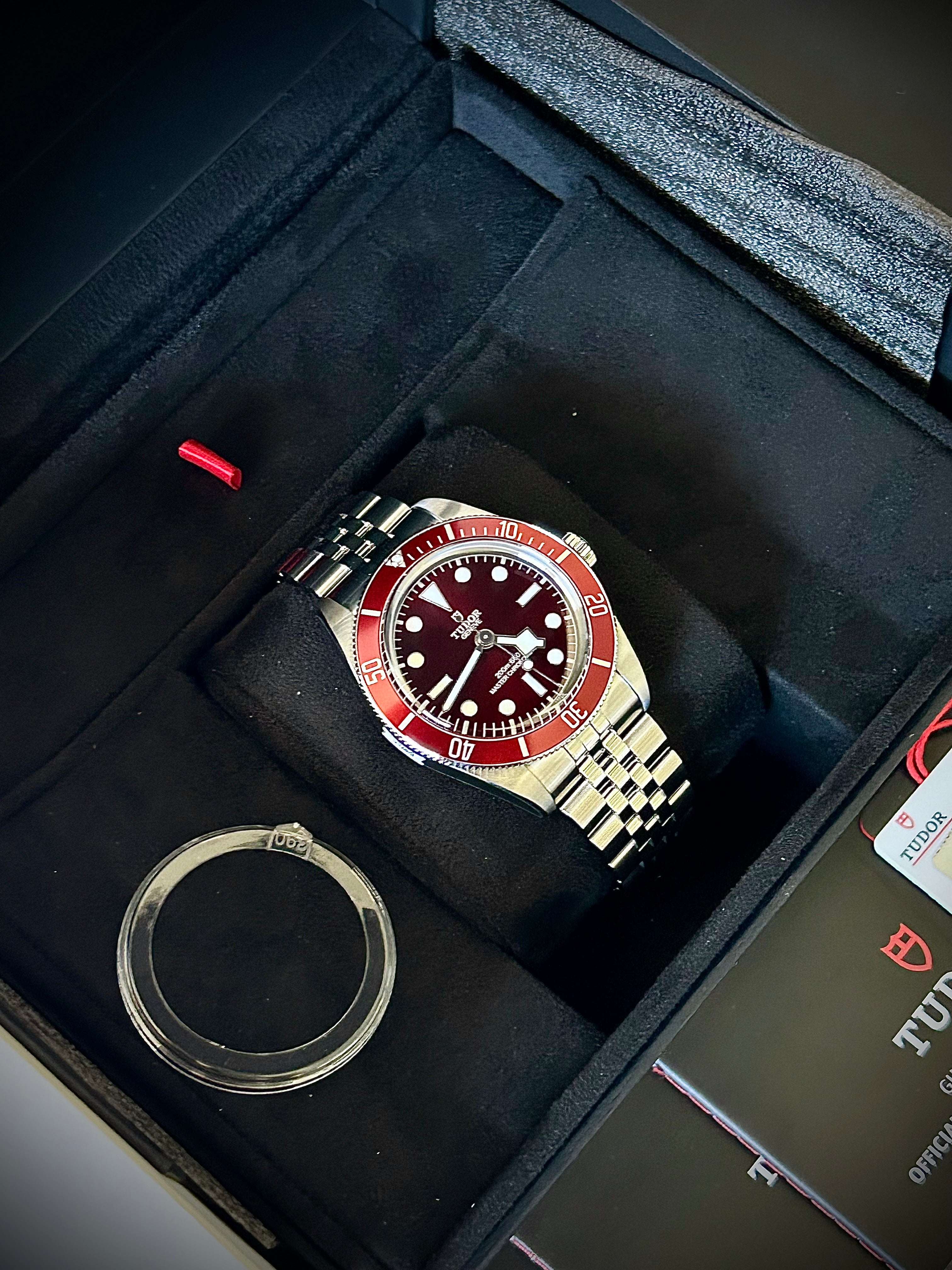
A detailed assessment starts with the reference, configuration, age, condition, and completeness of the set. Original presentation boxes, booklets, swing tags, and supporting documents can make the history of a piece easier to understand. Keep any service records together as well. Our watch box and papers guide explains why these items matter when preparing a watch for sale.
Condition needs a careful, model-specific view. With a modern watch, light professional polishing can sometimes improve presentation when it retains the original lines of the case. Vintage watches are different. Their bevels, edges, and natural wear are often part of what collectors look for, so polishing is generally avoided.
It also helps to be realistic about small signs of use. Bracelet stretch, case wear, dial condition, and the operation of the movement all form part of a complete assessment. A thoughtful description is more useful than trying to make a well-worn watch sound untouched.
Choosing the Right Way to Sell Your Luxury Timepiece
There are several ways to sell a watch, but they place very different demands on you. For most owners, a direct-to-dealer outright sale is the practical starting point because it provides a defined path from initial details to inspection and settlement.
| Selling method | Timing | Seller involvement | Considerations |
|---|---|---|---|
| Direct-to-dealer outright sale | Arranged after assessment | Low | Clear process and professional handling |
| Consignment | Depends on finding a buyer | Moderate | An optional route for selected pieces |
| Private listing | Uncertain | High | You manage enquiries, negotiation, and handover |
Why Direct-to-Dealer Sales Are the Primary Option
With an outright sale, you share the relevant details and photographs, receive an initial indication, and then arrange a physical assessment. If the watch matches the information provided, the transaction can be finalised directly with the dealer. This approach suits sellers who want clarity without running an open-ended listing or coordinating with unknown buyers.
At WristWorks, direct purchasing is the main service. Consignment is available for select situations, but it is a secondary option rather than the standard route. That distinction matters: outright sales are designed to give sellers a straightforward decision and a clear handover process. For a closer explanation of the approach, see the guide to direct dealer sales.
A direct sale can also work well if you are refreshing your collection rather than simply letting a watch go. Once you understand the assessed value of your current piece, you can decide whether to sell it outright or discuss a trade arrangement separately.
Why Private Listings Often Create More Work
Private listings on classifieds, forums, or social platforms can look flexible, but they require you to manage every part of the process. That includes responding to enquiries, deciding who to meet, discussing terms, protecting your personal information, and arranging insured transport if the buyer is not local.
The practical risks are also higher. Sellers can encounter vague enquiries, unexpected changes to arrangements, requests to move conversations off-platform, and pressure to send a high-value watch before everything is confirmed. These factors do not make a private listing impossible, but they do make it more demanding than dealing with an established watch buyer.
A professional dealer process reduces those moving parts. You have one point of contact, a documented inspection process, and a clear plan for delivery or collection. That is why an outright dealer sale is generally the more secure and convenient option for selling a luxury timepiece in Australia.
Preparing Your Watch for a Secure Dealer Sale

A little preparation makes the valuation process smoother and helps ensure the initial assessment reflects the watch accurately. Before you get in touch, gather the watch, any accompanying items, and the information you already have.
Practical Steps Before You Enquire
- Record the exact reference and serial details for your own files, along with the approximate purchase period and service history.
- Take clear photographs in natural light. Include the dial, case sides, lugs, caseback, bracelet, clasp, and all included accessories.
- Avoid sharing full serial details publicly. If you are sending photographs before a formal arrangement is in place, obscure information that does not need to be visible.
- Keep boxes, documents, spare links, and service records together. Even when an item is missing, being clear about what is included helps the assessment stay accurate.
- Arrange transport only through the dealer’s agreed process, using a tracked service and the packaging guidance provided.
Inspection and Finalising the Sale
Once the watch is received for assessment, the dealer reviews its overall condition, case geometry, bracelet, movement operation, and accompanying documentation. The aim is to confirm that the physical piece aligns with the information supplied earlier. If anything differs, it should be discussed clearly before you decide how to proceed.
This is also the point at which practical details matter. A complete set of photographs and an honest condition summary help avoid surprises. If a watch has been polished, serviced, repaired, or altered, say so. The more accurate the starting information, the more useful the initial discussion will be.
For a seller, the benefit of a direct-to-dealer process is not just convenience. It is knowing the steps in advance, having one accountable contact, and avoiding the uncertainty of a public sale. It also lets you make a considered decision after the inspection rather than managing competing messages and changing arrangements. Consignment can remain an option for a specific piece, but an outright sale is generally the clearest route when you want a defined outcome.
When you are ready, contact WristWorks to discuss your watch and arrange the next step. Bring together the details you have, ask any questions you need to ask, and take the time to choose a process that feels appropriate for your collection.